Soldati lituani a difesa dell’energia
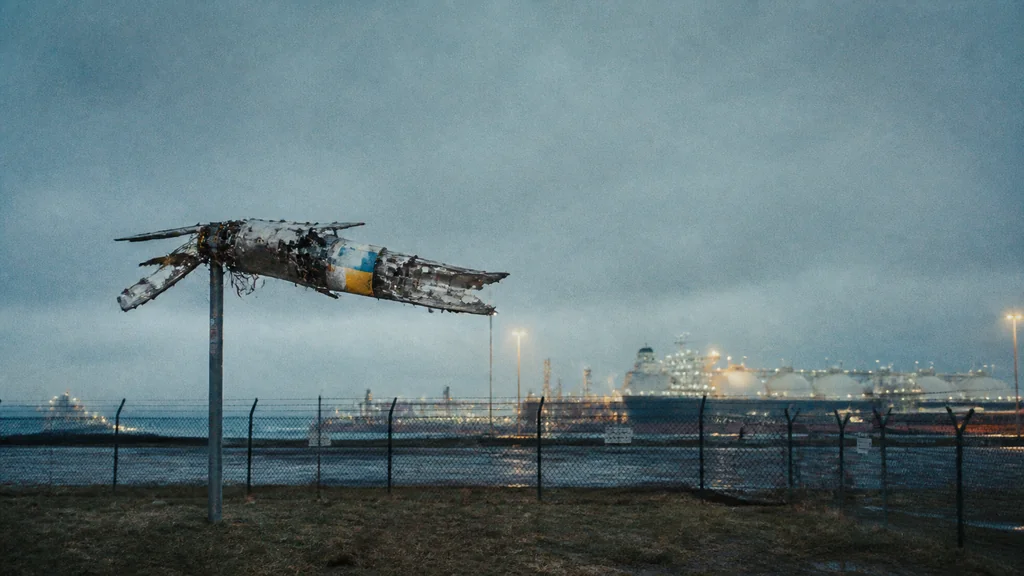
The evidence points everywhere before the alliance can decide where to look.
Composizione immagine · tobriefI soldati lituani pattugliano ormai il terminale di gas naturale liquefatto di Klaipeda. La Lettonia ha rafforzato la sicurezza attorno a una diga sul fiume Daugava e al deposito sotterraneo di gas. L'operatore polacco della rete del gas lavora in stato di allerta elevata. L'Estonia spinge per una maggiore capacità di gestione delle crisi, ma non ha reso noto alcun dispiegamento di guardie presso siti energetici.
Le misure di protezione sono confermate. L'attacco contro cui si preparano no.
L'allarme e il vuoto che mette in luce
Il ministro della Difesa lituano Robertas Kaunas ha riferito che l'intelligence militare disponeva di informazioni secondo cui la Russia starebbe valutando attacchi contro infrastrutture critiche baltiche, forse usando droni di fabbricazione ucraina catturati o ricostruiti, in modo che i rottami indicassero Kyiv anziché Mosca (LRT, Kyiv Independent). Kaunas ha però circoscritto l'allarme: la Lituania ha osservato attività di pianificazione, senza individuare una data, un elenco di obiettivi o una decisione finale russa (Bloomberg).
Lo scenario punta ai minuti che separano l'avvistamento di un drone dalla decisione su chi lo abbia inviato. La Russia potrebbe recuperare componenti di droni ucraini dagli attacchi subiti sul proprio territorio, rimontarli in un ordigno diretto contro il suolo alleato e lasciare sulla scena rottami dall'apparenza ucraina (Euronews, Euromaidan Press). L'obiettivo sarebbe guadagnare tempo e confusione dentro la NATO, l'alleanza militare a 32 membri, mentre le capitali discutono di quante prove servano prima di reagire (NV/Reuters).
La NATO può condividere immagini radar e far decollare i caccia. Qualunque membro può chiedere consultazioni quando ritiene di essere minacciato. Ma l'impegno di difesa collettiva, l'articolo 5, richiede un accordo politico sul fatto che si sia verificato un attacco armato. I rottami, da soli, non bastano ad attivarlo (NATO). L'autorità di abbattere un drone, attribuire l'attacco e alzare il livello dello scontro resta nazionale. Ogni Paese decide secondo le proprie regole, con i propri tempi. È proprio questo spazio intermedio che un'operazione sotto falsa bandiera cercherebbe di sfruttare.
Quattro Paesi, quattro sistemi d'allarme
La risposta lituana è la più visibile. Kaunas ha firmato il 17 luglio un ordine che dispiega fino a 30 militari a protezione di quattro siti fino al 19 agosto: il terminale GNL di Klaipeda, da cui dipende una parte essenziale dell'approvvigionamento baltico di gas; l'interconnettore elettrico LitPol Link con la Polonia; e due impianti energetici interni che contribuiscono all'equilibrio della rete (LRT English). Il filo che unisce i quattro obiettivi è chiaro: ingresso del gas, elettricità transfrontaliera, capacità di bilanciamento. L'infrastruttura che consente ai Baltici di rifornirsi senza dipendere dalla Russia.
La Lettonia ha aumentato la sicurezza presso la diga sul Daugava vicino a Riga e il deposito di gas di Incukalns (Delfi Latvia). Il ministro della Difesa Raivis Melnis ha detto che Riga non dispone di informazioni su attacchi in preparazione contro obiettivi lettoni specifici (la.lv). Gran parte del rafforzamento della sorveglianza risale comunque all'invasione su vasta scala dell'Ucraina da parte della Russia nel 2022.
In Polonia le misure passano più dalle aziende che da un singolo ordine militare. Il gruppo energetico Orlen sta esaminando rotte alternative per l'importazione di gas, Gaz-System opera in stato di allerta elevata e un'unità militare ha iniziato a mettere in sicurezza un collegamento elettrico con l'Ucraina che aiuta a stabilizzare una rete danneggiata dalla guerra (Ukrainska Pravda). Varsavia sta anche indagando sulle proprie carenze nel rilevamento e nell'allerta dopo che un missile da crociera russo ha attraversato lo spazio aereo polacco il 30 luglio (TVN24).
L'Estonia fa caso a sé. Il ministro dell'Interno Igor Taro sostiene che le minacce più probabili siano di natura non militare e che la preparazione estone alle crisi non sia pienamente adeguata al quadro di sicurezza (ERR English). Nel dominio pubblico non risultano nuovi dispiegamenti di guardie attorno agli asset energetici.
Quando il drone arriva davvero
La Romania offre una possibile risposta. Il 24 luglio, F-16 romeni hanno abbattuto un drone russo del tipo Shahed sopra il territorio nazionale (Romania Insider). Per arrivare a quel punto servivano regole d'ingaggio autorizzate in anticipo e una volontà politica pronta a ordinare il fuoco. Gli analisti della difesa svedesi considerano lo scenario baltico della falsa bandiera «del tutto plausibile» nella logica della zona grigia (SvD).
Quattro membri della NATO stanno rafforzando i siti secondo modalità proprie, sotto autorità giuridiche nazionali e con tempi diversi. L'Alleanza deve chiarire se le regole nazionali per l'abbattimento e le procedure di attribuzione siano già state coordinate prima che un drone arrivi su una centrale elettrica, oppure se Mosca stia imparando, sito dopo sito, che gli interstizi tra i sistemi d'allarme alleati sono abbastanza larghi da attraversarli in volo.
Details about this article
- Model:
- claude-opus-4-6
- Generated:
- 8/11/2026, 10:41:26 AM
- Pipeline run:
- eu_pipeline_20260811_005006
- Watermark:
- SynthID (Google's invisible watermark)
- Human review:
- None before publication