Το επόμενο EV της Volkswagen κρίνει θέσεις
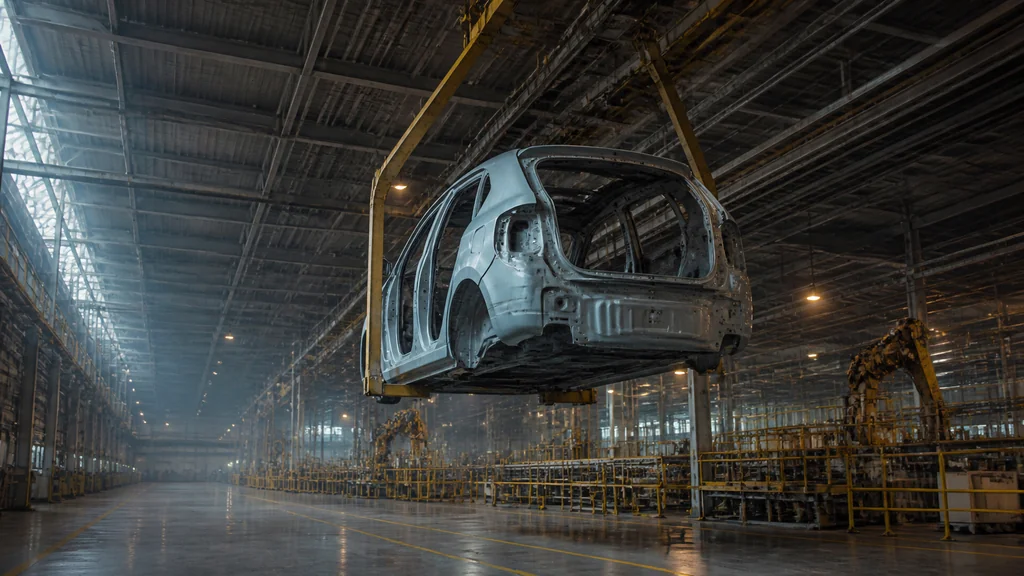
One future model now carries the weight of Europe’s factories.
Σύνθεση εικόνας · tobriefΤο εποπτικό συμβούλιο της Volkswagen συνεδριάζει την Παρασκευή για να αποφασίσει αν ο διευθύνων σύμβουλος Ολιβερ Μπλουμέ θα λάβει εντολή για τη βαθύτερη αναδιάρθρωση στην ιστορία του ομίλου. Η απόφαση έχει βάρος επειδή η μελλοντική παραγωγή ηλεκτρικών αυτοκινήτων θα καθορίσει ποια ευρωπαϊκά εργοστάσια θα διατηρήσουν αντικείμενο εργασίας, σε τουλάχιστον τέσσερα κράτη-μέλη.
Γιατί ο Μπλουμέ έχει περιθώριο πίεσης
Η οικονομική πίεση είναι συγκεκριμένη. Τα λειτουργικά κέρδη υποχώρησαν στα 8,9 δισ. ευρώ το 2025, από 19,1 δισ. ευρώ έναν χρόνο νωρίτερα, ενώ τα έσοδα έμειναν σε γενικές γραμμές στάσιμα (Volkswagen 2025 results, CNBC). Ο Μπλουμέ είπε σε στελέχη ότι τα γενικά έξοδα παραμένουν πάνω από 30% υψηλότερα σε σχέση με συγκρίσιμες εταιρείες (Yahoo Finance).
Η Κίνα έκανε τη συμπίεση εντονότερη. Οι παραδόσεις αμιγώς ηλεκτρικών αυτοκινήτων εκεί μειώθηκαν κατά 44,3% το 2025 και κατά ακόμη 63,8% το πρώτο τρίμηνο του 2026 (VW deliveries 2025, VW Q1 2026). Για χρόνια, η κινεζική αγορά απορροφούσε όγκους παραγωγής και κέρδη για τις ευρωπαϊκές αυτοκινητοβιομηχανίες. Τώρα εξάγει ανταγωνισμό.
Την Πέμπτη συνεδριάζει μια εκτελεστική επιτροπή στην οποία συμμετέχουν η επικεφαλής του συμβουλίου εργαζομένων, ο πρωθυπουργός της Κάτω Σαξονίας Ολαφ Λις και μέλη των οικογενειών Porsche-Piëch, ώστε να φανεί αν μπορεί να υπάρξει συμφωνία πριν από τη συνεδρίαση του πλήρους συμβουλίου (Investing.com/Reuters). Η σύνθεση αυτή εξηγεί γιατί η αναδιάρθρωση δεν μπορεί απλώς να επιβληθεί από τη διοίκηση.
Η εταιρική διακυβέρνηση της Volkswagen μοιράζει την ισχύ σε τρία κέντρα. Οι οικογένειες Porsche-Piëch ελέγχουν το 53,3% των δικαιωμάτων ψήφου. Η Κάτω Σαξονία, το κρατίδιο όπου βρίσκεται το Βόλφσμπουργκ, κατέχει 20% (VW Annual Report 2025). Οι εργαζόμενοι ελέγχουν τις μισές από τις 20 έδρες του εποπτικού συμβουλίου μέσω της γερμανικής συνδιαχείρισης, του συστήματος που τοποθετεί εκπροσώπους των εργαζομένων στο όργανο που εποπτεύει τη διοίκηση. Με βάση ειδικό νόμο του 1960, η μετακίνηση ή η δημιουργία παραγωγικών εγκαταστάσεων απαιτεί πλειοψηφία δύο τρίτων στο συμβούλιο, πράγμα που σημαίνει ότι οι εργαζόμενοι μαζί με την Κάτω Σαξονία μπορούν να μπλοκάρουν οποιαδήποτε απόφαση για εργοστάσιο (Gesetze im Internet, NWZ).
Η συμφωνία του Δεκεμβρίου 2024 έχει ήδη αποκλείσει τις υποχρεωτικές απολύσεις στα γερμανικά εργοστάσια και κρατά τις μονάδες ανοιχτές έως το 2030 (Correctiv). Ο Μπλουμέ ζητεί εξουσιοδότηση να προχωρήσει περισσότερο: να παραμείνουν στο τραπέζι τα κλεισίματα εργοστασίων και να αποσπαστούν δραστηριότητες που υποαποδίδουν. Το συμβούλιο μπορεί να του δώσει ή να του αρνηθεί αυτή την εντολή. Δεν μπορεί όμως την Παρασκευή να κλείσει εργοστάσιο.
Το επόμενο ηλεκτρικό κρίνει τις δουλειές
Η αναδιάρθρωση με τη μεγαλύτερη σημασία είναι πιο αθόρυβη από μια ψηφοφορία για κλείσιμο μονάδας. Είναι η κατανομή μοντέλων: ποιο εργοστάσιο θα πάρει το επόμενο αυτοκίνητο, την πλατφόρμα και την αύξηση παραγωγής. Αυτή η απόφαση κλειδώνει για χρόνια θέσεις εργασίας, συμβόλαια προμηθευτών και επενδύσεις.
Η Τσεχία φαίνεται στα χαρτιά κερδισμένη. Η Škoda λέει ότι τα τσεχικά της εργοστάσια λειτουργούν με πλήρη δυναμικότητα, ενώ αναλυτές περιγράφουν τη μάρκα ως πρωταθλητή κόστους που θα μπορούσε να απορροφήσει παραγωγή από ακριβότερες γερμανικές μονάδες (Newstream, Aktuálně). Οι τσέχοι προμηθευτές, όμως, αναφέρουν ήδη μειώσεις παραγγελιών της τάξης δεκάδων ποσοστιαίων μονάδων (Novinky).
Η Ισπανία έχει βραχυπρόθεσμη ασπίδα. Το Μαρτορέλ άρχισε να παράγει το Cupra Raval και το VW ID.Polo, μετά από μετατροπή 3 δισ. ευρώ για την ηλεκτροκίνηση (Cinco Días). Το συμβούλιο εργαζομένων προειδοποιεί, όμως, ότι το εργοστάσιο δεν μπορεί να επιβιώσει μετά το 2030 χωρίς δεύτερη ηλεκτρική πλατφόρμα (El Nacional). Αυτή είναι η λογική της κατανομής μοντέλων σε μικρογραφία: ένα αυτοκίνητο κρατά ένα εργοστάσιο ζωντανό για πέντε χρόνια, αλλά μόνο η επόμενη ανάθεση το κρατά ζωντανό μετά.
Το εργοστάσιο της Audi στο Γκιέρ της Ουγγαρίας έχει σημασία επειδή η κατανομή συστημάτων κίνησης συνδέει άμεσα τη στροφή της Volkswagen στα ηλεκτρικά με τη βιομηχανική παραγωγή της χώρας, όπου η κατασκευή οχημάτων αντιστοιχεί στο 26,3% της μεταποίησης (KSH). Το Γκιέρ εξασφάλισε πέρυσι επένδυση 350 εκατ. ευρώ για νέο πρόγραμμα ηλεκτρικών συστημάτων κίνησης (Audi MediaCenter).
Το κλείσιμο της Audi Brussels στο Βέλγιο έδειξε τι συμβαίνει όταν μια μονάδα χάνει αυτή τη μάχη: τα συνδικάτα και οι κυβερνήσεις διαπραγματεύθηκαν τους όρους εξόδου, αλλά δεν μπόρεσαν να υποχρεώσουν τη Volkswagen να στείλει νέο μοντέλο (Trends-Tendances). Όπως έχει γράψει το To Brief, η Volkswagen βρίσκεται ήδη αντιμέτωπη με πιθανές ευρωπαϊκές κυρώσεις πολλών δισ. ευρώ για τις εκπομπές CO₂, λόγω των αδύναμων πωλήσεων ηλεκτρικών αυτοκινήτων. Αυτό αυξάνει την πίεση να συγκεντρωθεί η παραγωγή ηλεκτρικών σε λιγότερες και αποδοτικότερες μονάδες.
Πού θα πάει η δυναμικότητα
Οι γερμανοί εργαζόμενοι έχουν την ισχυρότερη νομική προστασία και τη χαμηλότερη αξιοποίηση δυναμικότητας, δηλαδή το ποσοστό της παραγωγικής ικανότητας κάθε εργοστασίου που πράγματι χρησιμοποιείται. Προβλέψεις που επικαλείται το Reuters δείχνουν τα γερμανικά εργοστάσια επιβατικών αυτοκινήτων να υποχωρούν από 81% αξιοποίηση το 2026 σε 73% έως το 2030, με το Τσβίκαου να πέφτει από 88% σε 42% (MarketScreener/Reuters). Τα εργοστάσια της Κεντρικής Ευρώπης είναι φθηνότερα και πιο γεμάτα, αλλά οι προμηθευτές τους απορροφούν ήδη την κάμψη. Το Eurofound διαπιστώνει ότι από το 2022 οι προμηθευτές της αυτοκινητοβιομηχανίας έχουν ανακοινώσει περισσότερες απώλειες θέσεων εργασίας από τους ίδιους τους κατασκευαστές (Eurofound).
Το συμβούλιο της Παρασκευής μπορεί να δώσει στον Μπλουμέ την πολιτική εντολή για αναδιάρθρωση. Οι εργαζόμενοι σε τέσσερις χώρες, όμως, θα μάθουν την πραγματική τους τύχη μόνο όταν η Volkswagen αρχίσει να αναθέτει τα μελλοντικά ηλεκτρικά μοντέλα, εργοστάσιο προς εργοστάσιο, τους επόμενους μήνες και τα επόμενα χρόνια. Ποιες μονάδες θα πάρουν αυτά τα αυτοκίνητα παραμένει ανοιχτό, και η ίδια η διακυβέρνηση της Volkswagen εγγυάται ότι κάθε ανάθεση θα αποτελέσει αντικείμενο σύγκρουσης πριν οριστικοποιηθεί.
Πώς γράφτηκε
- Μοντέλο:
- claude-opus-4-6
- Δημιουργήθηκε:
- 8/30/2026, 1:49:41 AM
- Εκτέλεση pipeline:
- eu_pipeline_20260830_005006
- Υδατόσημο:
- SynthID (αόρατο υδατόσημο της Google)
- Ανθρώπινη επιμέλεια:
- Καμία πριν τη δημοσίευση