Europa promite garanții fără plan
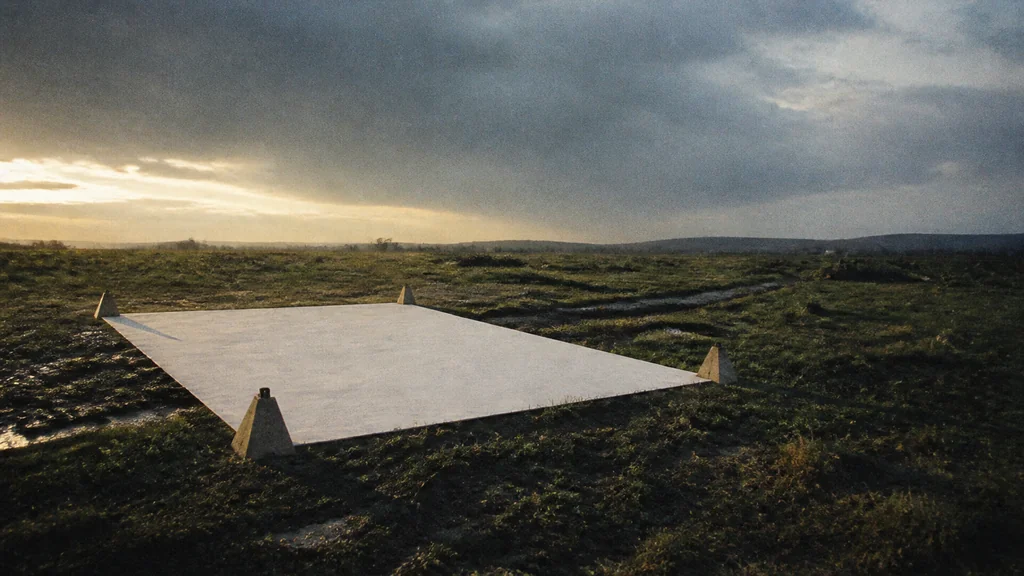
Europe prepares to guarantee a peace whose terms remain blank.
Compoziție de imagine · tobriefPreședintele Ucrainei a descris o formulă în trei pași pentru încheierea războiului: încetarea focului, retrageri reciproce de trupe într-o „zonă economică liberă” și un pachet de garanții legate de UE și NATO. Volodimir Zelenski a spus, la 23 august, că Ucraina, Statele Unite și partenerii europeni au pus aceste idei „pe o singură pagină” (RBC Ukraine, UA.News). Pagina nu a fost publicată de niciun guvern. Nu există un document al Casei Albe, un text al Consiliului European sau un cadru semnat. Totuși, capitalele europene sunt deja împinse în rolul de garanți ai unei înțelegeri ale cărei condiții, hartă și reguli de aplicare rămân necunoscute.
Declarația Coaliției celor Dispuși, emisă o zi mai târziu la Kyiv și cosemnată de Regatul Unit, Franța și Germania, nu menționează deloc zona economică liberă (gov.uk, Bundesregierung). Textul promite „garanții de securitate robuste, obligatorii politic și juridic”, fără să spună cine ar trimite trupe, ce reguli de angajare ar avea acestea sau care ar fi reacția graduală la încălcări. După cum a scris To Brief când Franța, Germania și Regatul Unit au început să lucreze la un format comun de negociere, temerea Europei era că Washingtonul și Moscova ar putea modela o înțelegere în timp ce guvernele cele mai expuse consecințelor rămân în afara camerei. Acum, riscul are o formă concretă: partea de garanții se construiește înainte ca termenii politici să existe.
O problemă de suveranitate ambalată economic
Capitolul încetării focului este cel mai ușor de descris și cel mai greu de verificat. Declarația Coaliției cere o „încetare a focului deplină, imediată și necondiționată, pornind de la linia de contact” și spune că o forță multinațională ar urma să fie desfășurată doar după o „încetare credibilă a ostilităților” (gov.uk, Élysée). Cine stabilește credibilitatea și ce se întâmplă când o dronă trece linia rămân întrebări deschise.
Al doilea element este punctul de sprijin al propunerii. Zelenski a spus că „zona economică liberă” este o idee americană, dar nu a indicat administratorul, harta sau distanța retragerilor (UA.News, ANSA). Eticheta sună tehnic, însă întrebările reale țin de suveranitate: cine administrează zona, ce instanțe și ce poliție operează acolo, dacă Ucraina păstrează controlul formal și dacă linia retragerii îngheață câștigurile teritoriale actuale ale Rusiei. Franța și Germania, copreședinte ale Coaliției, nu au susținut public formula (Élysée, Merkur).
Garanții fără mecanism de aplicare
Al treilea element cere Europei să garanteze securitatea Ucrainei. Banii au început deja să circule: Comisia Europeană a aprobat 6,1 mld. euro pentru achiziții de apărare chiar de Ziua Independenței Ucrainei, cu finanțare pentru apărare antiaeriană și antirachetă, muniție și radare (Euronews, IEU Monitoring). Livrările de armament sunt însă sprijin de război. O garanție post-armistițiu înseamnă altceva: trupe pe teren, structură de comandă, împărțirea costurilor între capitale și mandate politice din partea parlamentelor naționale, cu cerințe constituționale diferite de la o țară la alta.
Promisiunea se fragmentează atunci când capitalele spun ce sunt dispuse să trimită efectiv. Lituania a mers cel mai departe: președintele Gitanas Nausėda a declarat că Vilniusul este pregătit să desfășoare capabilități terestre, genistice, de apărare antiaeriană și navale „când vor exista condițiile” (Lrytas). Chiar și această ofertă este condiționată, fără un mandat parlamentar identificat. Polonia a trasat o limită mai strictă: Donald Tusk a spus că Varșovia nu va trimite trupe în Ucraina și și-a definit rolul prin logistică și fluxuri de sprijin de pe teritoriul polonez (TVN24, Bankier). Italia a participat la reuniunea Coaliției, dar a refuzat exercițiile din octombrie-noiembrie anunțate de Macron (ANSA). Franța revendică rolul de convocare, însă nu a publicat efective, structură de comandă sau plan de împărțire a costurilor (Le Monde).
Rusia nu a acceptat formula în trei părți. Viceministrul de externe Serghei Riabkov a spus că Moscova ar asculta idei noi doar dacă acestea ar reflecta „realitățile de pe teren”, formulă diplomatică pentru păstrarea teritoriilor controlate de forțele ruse (Reuters, Al Jazeera). O forță de aplicare susținută de ONU s-ar lovi de dreptul de veto al Rusiei în Consiliul de Securitate. Reînnoirea sancțiunilor cere unanimitate în Consiliul UE, unde un singur guvern poate bloca decizia.
Mecanismul european de sprijin este finanțat și vizibil. Mecanismul european de pace nu are încă piese publice. Până când Burnham, Macron, Merz și partenerii lor vor pune nume, cifre și reguli în spatele garanțiilor promise, Europa se oferă să aplice un concept pe care nimeni nu l-a transformat încă într-un plan.
Details about this article
- Model:
- claude-opus-4-6
- Generated:
- 8/25/2026, 2:05:12 AM
- Pipeline run:
- eu_pipeline_20260825_005008
- Watermark:
- SynthID (Google's invisible watermark)
- Human review:
- None before publication