Italien afviser alle asyloverførsler
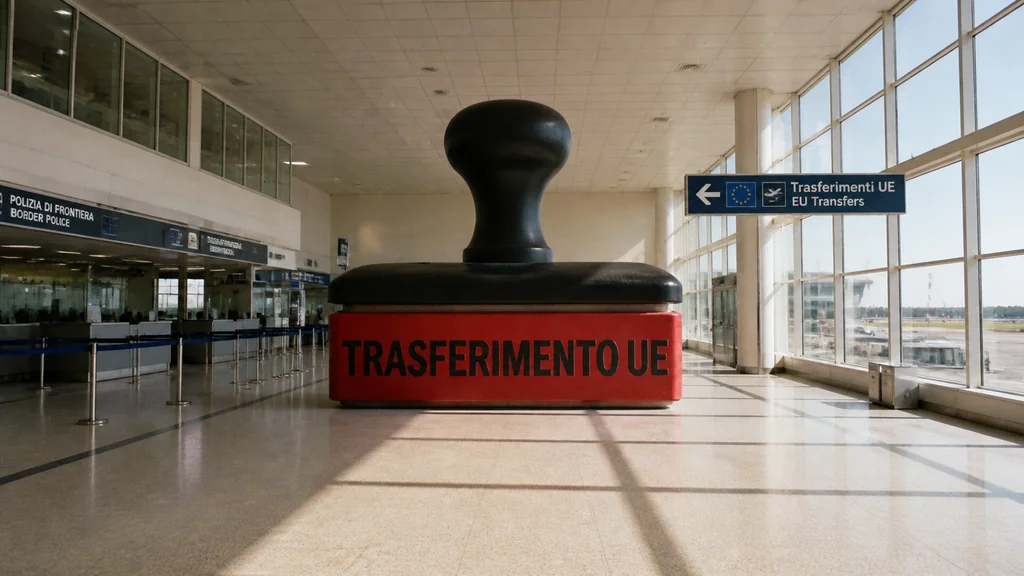
Italy turns Europe’s transfer procedure into its largest obstacle.
Billedkomposition · tobriefMellem 12. juni og 7. juli bad otte EU-lande Italien om at tage asylansøgere tilbage efter Europas nye migrationsregler. Italien afviste alle 12 anmodninger om overførsel (2eu.brussels, Visaverge). Rom har siden december 2022 blokeret for indgående overførsler, bortset fra familiesager med uledsagede mindreårige. EU-Kommissionens første kontrol af, hvordan de nye regler virker i praksis, blev offentliggjort 16. juli og fandt ingen tegn på, at suspenderingen var ophørt (Commission assessment). Den første prøve for migrationspagten er derfor ganske nøgtern: EU-retten kan placere ansvaret, men den kan ikke i sig selv få en regering til at åbne døren.
Roms forsvar ser svagt ud på papiret
Indenrigsminister Matteo Piantedosi bruger to argumenter. For det første hævder han, at gamle asylsager om personer, der kom til Italien før 12. juni, blev “nulstillet” gennem aftaler med Tyskland og Frankrig i slutningen af 2025 (Il Sole 24 Ore). For det andet mener han, at Tyskland bør modregne sine overførselsanmodninger i de cirka 2.200 migranter, som NGO-redningsskibe under tysk flag i år har bragt til italienske havne (Il Foglio).
Begge argumenter har et juridisk problem. Der findes ingen offentlig tekst om en bilateral aftale, der sletter gamle sager, i parlamentariske registre, Rådets dokumenter eller Kommissionens papirer. Kommissionens vurdering omtaler Italiens afvisninger uden at nævne en sådan dispensation (Commission assessment). EU’s asylforordninger gælder direkte i medlemslandene. To indenrigsministerier kan ikke lukke dem ned i en privat forståelse (AMMR).
Den mere sandsynlige forklaring er enklere. Efter de gamle Dublin III-regler, som placerede asylansvaret før den nye pagt, havde Tyskland seks måneder til fysisk at overføre en person, efter at Italien havde accepteret. Overskred Tyskland fristen, gled ansvaret automatisk over på Tyskland. EU-Domstolen bekræftede dette princip i Shiri-dommen (Dublin III, CJEU Shiri). Roms “nulstilling” ligner derfor udløbne frister forklædt som diplomati.
Uret er det eneste reelle pressionsmiddel
Den nye pagt, formelt forordningen om asyl- og migrationsstyring, forsøger at lukke hullet mellem beslutninger på papir og faktiske overførsler. Tilbagetagelsesprocedurerne er gjort mere automatiske. Det land, hvor en person først kom ind i EU, har ansvaret i 20 måneder i stedet for 12 (AMMR, Verfassungsblog).
Konflikten med Italien viser til gengæld, hvad pagten ikke løser: tvang. Kæden fungerer sådan her. Et medlemsland som Tyskland beder om en overførsel. Italien skal enten acceptere eller foreslå en anden løsning. Kommissionen kan vurdere efterlevelsen, offentliggøre sine konklusioner og i sidste ende åbne en traktatbrudssag, altså EU’s redskab til at presse lande til at følge EU-retten. Domstolene kan fortolke fristerne. Men kun italienske myndigheder kan i praksis sætte en person på et fly.
Tysklands egne tal viser, hvor dårligt kæden allerede fungerede. I 2024 indgav Tyskland 74.583 Dublin-anmodninger om overførsel på tværs af EU, fik 44.431 accepteret og gennemførte kun 5.827 faktiske overførsler, ifølge Brussels Signal. Omtrent én ud af otte acceptancer endte med, at en person faktisk blev flyttet.
Selektivt, ikke magtesløst
Én detalje svækker Roms forklaring. Ifølge NZZ accepterede Italien 51 schweiziske tilbagetagelsesanmodninger efter 12. juni. Schweiz er ikke medlem af EU, men deltager i Dublin-systemet. Mønstret peger derfor på et politisk valg, ikke på en forvaltning, der ikke kan følge med.
Andre regeringer læser situationen på samme måde. Nederlandene ser konflikten som pagtens første troværdighedstest (Upday NL). Østrig følger sagen gennem Brennerpasset, den alpine korridor hvor migranter, der er gået i land i Italien, bevæger sig nordpå mod østrigsk og tysk territorium. Fra Wien ligner Roms afvisning en eksport af et problem, Italien selv har været første EU-modtager af (Kurier).
Kommissionens næste brede vurdering ventes i oktober. Til den tid begynder fristerne i de første sager efter pagten at løbe ud. Hvis Italien fortsætter med at afvise overførsler, glider ansvaret for asylsagerne tilbage til Tyskland og de andre lande, der har bedt om overførsel. Det sker ikke ved forhandling, men automatisk efter forordningen (AMMR). Pagten har givet Europa et stærkere juridisk grundlag for at kræve italiensk samarbejde. Den har ikke givet nogen magten til at gennemføre en overførsel, som Rom ikke vil have.
Details about this article
- Model:
- claude-opus-4-6
- Generated:
- 8/15/2026, 1:53:13 AM
- Pipeline run:
- eu_pipeline_20260815_005006
- Watermark:
- SynthID (Google's invisible watermark)
- Human review:
- None before publication