Παρασκευή 04 Σεπτεμβρίου 2026
5 άρθρα

Berlin’s €203 billion debt-brake detour
Germany plans roughly €203 billion in new borrowing for 2027, using defence exemptions and special funds to finance priorities outside its constitutional deficit cap. Auditors warn federal debt could reach €3 trillion by 2030, raising interest costs as infrastructure delivery lags and Berlin simultaneously demands deep cuts to the EU’s next seven-year budget.

Hungary’s €10 billion faces proof test
Budapest has kept a route open to €6.5 billion in grants and €3.5 billion in loans, but no money has been approved or transferred. Its end-September payment request will trigger the Commission’s assessment of 27 rule-of-law and anti-corruption conditions, with a Constitutional Court challenge threatening parts of the reform package.

VW’s 500,000-car gap puts plants at risk
Volkswagen will eliminate roughly 50,000 more positions, halve its model portfolio and cut product complexity by 75% as it pursues a 9% operating margin. The decisive battle is now over future models: four German factories lack secure production, Spain’s subsidised electric transition faces new doubts, and suppliers risk losing work even where assembly survives.
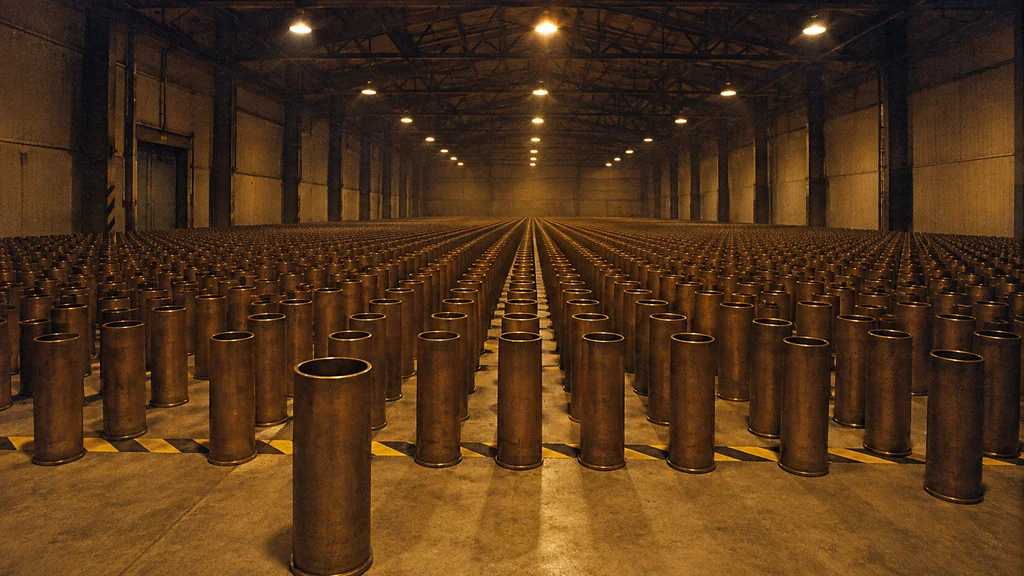
Estonia’s €1.2 Billion Defence Blind Spot
Hanno Pevkur resigned after failed ammunition deals exposed serious gaps in Estonia’s defence controls. Auditors found problems with €71.6 million of supplier advances and could not verify €1.2 billion in inventory balances, raising a wider question for Brussels: whether national systems can reliably track the surge of EU-backed defence spending.

Spain’s missing answers stall Ceuta funds
Madrid’s request for more than €32 million in EU emergency funding remains incomplete, leaving Brussels unable to approve it or schedule additional Frontex support. The delay is spreading beyond Ceuta: Italy has extended border checks on routes from Spain, while Dutch lawmakers are questioning whether migrant transfers could increase movement across the Schengen area.