Romania hits two drones; Lithuania loses track
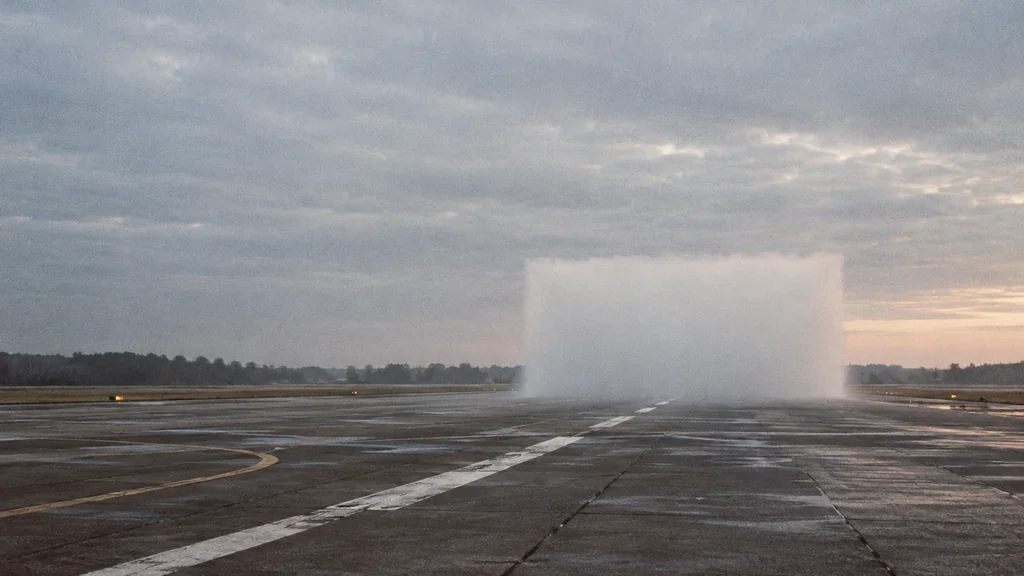
Over Lithuania, radar follows an object that pilots cannot identify.
Image composition · tobriefTwo Romanian F-16s took off from Borcea air base at 17:43 on Saturday and destroyed both incoming drones minutes after they crossed into Romanian airspace (MApN, Reuters). The next morning, NATO fighters over Lithuania lost an unidentified object in fog, and suspected drone debris then damaged a civilian car (15min). Romania can say where it hit its targets but not yet who sent them. Lithuania and Poland cannot agree on where their object came from.
As we reported when the shootdowns broke (To Brief), Romania moved before the threat arrived. The first drone entered Romanian airspace at 17:59, and both were destroyed above Romanian territorial waters near the port of Sulina, at 18:01 and 18:05 (MApN, MApN update). Romanian radar tracked the targets over the Black Sea, and Romanian jets shot them down.
What Bucharest has shown, and what it hasn't
The ministry identifies the targets as jet-powered attack drones of the Geran family, a type Russia uses. Its update names no launch site, operator, intended target or full flight path (MApN update). Neither ministry notice includes the radar tracks or debris findings that would let anyone outside the government check those conclusions.
Interim Defence Minister Radu Miruță suggested on Sunday that the drones might be a newer Geran-4 subtype (Agerpres). That came from his public remarks, not from the written record. Even if he is right, a more precise model name describes the weapon. It does not identify who launched it.
Over Lithuania, the track went dark
At 06:15 on Sunday, NATO fighters at Šiauliai were ordered up to identify a northbound object. Lithuanian radar showed it apparently arriving from Poland (LRT). The aircraft were Italian Eurofighters flying a NATO patrol (Reuters). The fighters reached the object, but they could not identify it.
Defence Minister Robertas Kaunas said radar tracked the object, but fog hid it from pilots who needed to see it before they could judge the danger (LRT). The radar mark then vanished. Around 07:28, police received a report of something falling near Juodžionys in Pasvalys district. Fragments damaged a car there, and no one was hurt (15min).
Warsaw says its own radars did not confirm any crossing from Poland, and neither government has published its tracks (Onet/PAP). That leaves two neighbouring allies with conflicting accounts of the same flight. The public has nothing to compare them against.
Kaunas has since called the wreck a likely Ukrainian FP-1 drone from a strike on St Petersburg. Kyiv apologised, saying Russian electronic warfare (jamming that can push drones off course) may have diverted its drones (Ukrainska Pravda). That is an official explanation, not a forensic finding. It would explain how a Ukrainian drone ended up in Lithuania, but it does not show which way the object entered.
What each capital still owes
Both incidents happened on NATO's eastern edge, inside EU airspace, within a single day. In Romania, a national chain of radar and fighters stopped two targets over its own waters. In Lithuania, allied fighters launched in time but could not identify the object in fog. Without published tracks that Lithuania and Poland can reconcile, neither government can settle where the object flew.
Bucharest owes the radar tracks and debris findings that would show who launched its drones. Vilnius and Warsaw owe the public a single flight path that both governments accept.
Details about this article
- Model:
- claude-opus-5-5
- Generated:
- 10/19/2026, 1:34:18 AM
- Pipeline run:
- eu_pipeline_20261019_005005
- Watermark:
- SynthID (Google's invisible watermark)
- Human review:
- None before publication