New EU budget plan brings cuts and a digital tax
AI Daily Synthesis
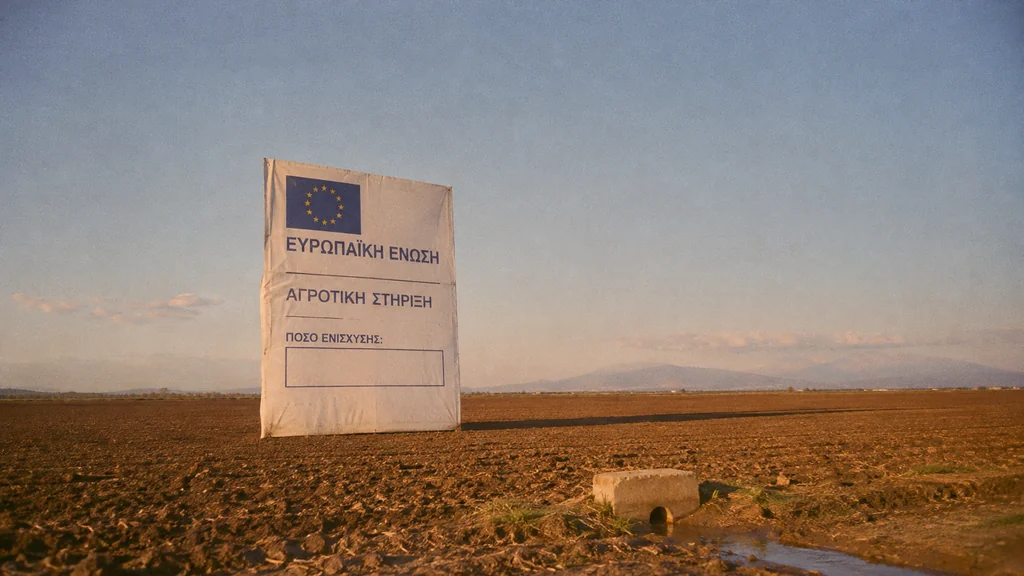
Image composition · tobriefEuropean Council President António Costa presented a new proposal today, 21 November, for the EU’s seven-year budget for 2028–2034. It provides for €1.582 trillion in 2025 prices, about €180 billion less than the European Commission proposed, a cut of nearly one euro in ten (CNA, Irish Times). The budget funds farm support and regional projects, the money Greece is most eager to secure.
In current prices, which account for inflation in the coming years, the proposal totals about €1.78 trillion and the cut reaches €204 billion (Brussels Times). The new total is also about €40 billion below the proposal put forward in October by Ireland, which holds the rotating presidency of the Council of the EU and is coordinating negotiations among member states this half-year (Reuters).
The Multiannual Financial Framework sets the EU’s annual spending ceilings by category for the whole period it covers, seven years in this case. Each annual budget must stay below those limits (Treaty, Article 312). Approval requires unanimity among the 27 governments and the consent of the European Parliament, so every government has a veto.
Three capitals, three different measures
Paris judges the proposal by what it provides for farmers. The French president’s office called the new framework "very disappointing" and an inadequate basis for an agreement because, in France’s view, it does not guarantee farmers’ income support (Le Parisien). Agriculture, fisheries and cohesion funding together lose €54 billion, about 5% less than the Commission proposed. Their cut is therefore half the rate of the overall cut, though no breakdown by policy has been published (Euronews). A farming publication reports that the guaranteed portion of agricultural support remains and that at least 10% of the broader national and regional fund will go to rural measures (Farmers Journal). A minimum share of a shared fund, however, does not guarantee an amount for each farmer. That is what France is seeking.
Berlin has the opposite concern. German Chancellor Friedrich Merz called the cut a "first step", but still considers the total excessive. He cites fiscal pressure on member states and wants a fairer distribution of contributions (Reuters). His threat, made in early November, to block the budget unless everyone agrees on joint funding for Ukraine also remains on the table.
Athens is seeking funding, but has made no target amount public. On 16 October, Greek Prime Minister Kyriakos Mitsotakis called for farmers and regions to receive at least the amounts proposed by the Commission (Prime Minister). Because Costa’s proposal takes €54 billion from the Commission’s figures for agriculture, fisheries and cohesion, its EU-wide total for those areas is already below that threshold. Greece’s most recent public position, a joint call with Cyprus to protect those funds, was stated on 18 November, three days before the new text (Prime Minister). Reuters says agriculture and cohesion remain relatively protected across the EU (Reuters). That does not yet say how much will go to Thessaly or Epirus, two regions of Greece.
Where the digital tax comes in
Costa said he wants to keep national contributions within "reasonable limits" (Council of the EU). To do that, he is reviving a 3% levy on large digital companies. It would apply only to net revenue from online advertising, intermediation and the use of user data, for companies with at least €50 million in such EU revenue and more than €750 million in worldwide turnover (Le Monde). Reuters estimates that US groups such as Google, Meta, Apple and Amazon would be the main payers (Reuters).
The levy is one of five new revenue sources expected to bring in around €64 billion a year together. Its own estimated yield, about €5 billion a year, is less than one euro in ten of that package (Euronews). Each euro paid by the platforms could mean one euro less from national budgets, addressing Germany’s objection without another cut to farmers.
Greek Finance Minister Kyriakos Pierrakakis’s proposal to raise revenue from future auctions of 6G spectrum appears in the plan only as a possible one-off source, with no amount set (Kathimerini). Telecommunications companies buying rights to use the spectrum would pay it once, rather than every year as with the digital tax. Athens initially estimated it at €12 billion to €15 billion (To Vima).
The text will form the basis of the EU leaders’ summit on 26–27 November, where the budget and funding for Ukraine will be discussed as separate issues (Council). Costa has brought the total closer to Berlin’s position and added a tax paid by others. The figure that will determine Greece’s position, how much will reach Greek farmers and regions, has not been made public. The government has yet to say whether the proposal meets the target it set in October.
Details about this article
- Model:
- claude-opus-5-5
- Generated:
- 11/21/2026, 5:34:34 PM
- Pipeline run:
- incremental_20261121_163010
- Watermark:
- SynthID (Google's invisible watermark)
- Human review:
- None before publication