Belgium vetoes China’s North Sea helicopter deal
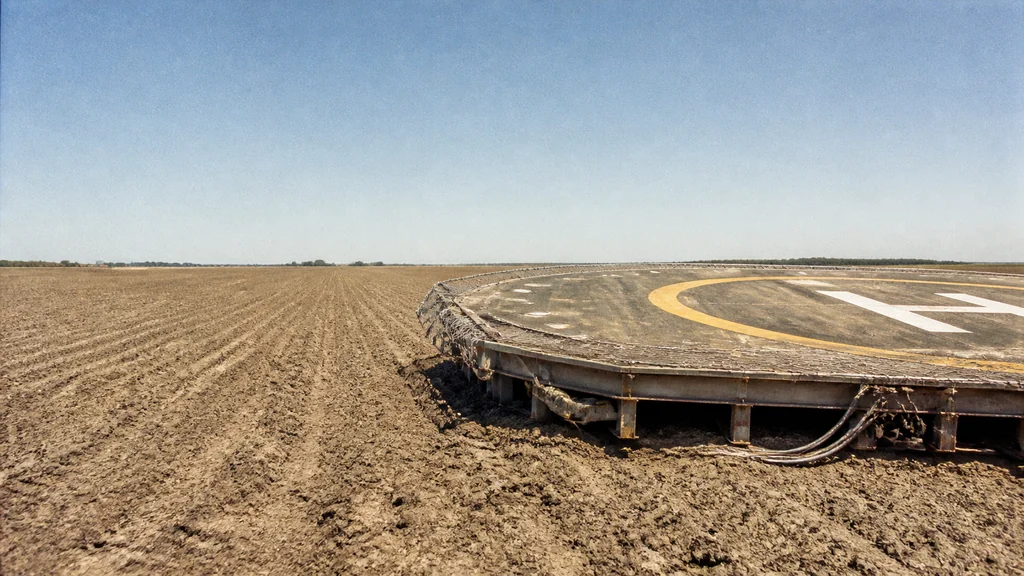
A national boundary strands the machinery of North Sea access.
Image composition · tobriefNHV Group flies technicians and emergency crews to offshore wind farms and oil platforms across the North Sea. When weather grounds boats, NHV helicopters are sometimes the only way to reach rigs or rotate maintenance teams on schedule. Belgium just blocked a Chinese-linked company from buying the Ostend-based operator, treating helicopter access to energy infrastructure as a security matter. The decision raises a question Belgium alone cannot answer: the service crosses borders, but EU screening rules left the veto to one capital.
Why helicopters became security infrastructure
Belgium's Interfederal Screening Commission reviews foreign investments for security risks. It brings together federal, regional and community authorities to make a binding call. The commission blocked GD Helicopter Finance (GDHF), a Dublin-registered lessor tied to China's GDAT Group, from acquiring NHV (AeroTime, Aviation Week). The seller was Ardian, the French investment firm that has owned NHV since 2013. The deal, announced in December 2025, never cleared screening (DH, HeliHub).
Economy Minister David Clarinval cited risks to national security, Belgium's strategic interests and possible defence-sector links (DH). NHV confirmed the deal was dead and ownership unchanged (NHV statement).
The logic goes beyond traditional defence. NHV controls dispatch schedules, maintenance windows and crew rotation for platforms that produce energy or keep wind turbines running. It operates from Den Helder in the Netherlands (Den Helder Airport), a key hub for North Sea helicopter services, and flies Dutch maritime pilots to ships when seas are too rough for boat transfers (Nederlands Loodswezen). A company holding those dispatch and access decisions has practical leverage over whether offshore energy stays operational, without owning a single turbine.
That leverage sharpened Belgium's concern about the buyer. GDHF is registered in Dublin but ultimately Chinese-controlled (Helicopter Investor). The European Commission's proposed rewrite of EU screening rules, published in 2024 but not yet law, would specifically require member states to scrutinise this kind of structure: an EU-registered shell serving a non-EU investor (COM(2024)23).
A Belgian veto over Dutch energy access
The EU's foreign-investment screening framework (Regulation 2019/452) lets the Commission and other member states comment on sensitive deals, but the host country decides alone. Belgium has not publicly said whether Dutch authorities participated in the screening, even though NHV's Den Helder operations mean the Belgian decision directly shapes who controls helicopter access to Dutch offshore platforms.
European governments are widening what counts as strategic. Germany blocked chipmaker Elmos's sale to a Chinese-linked buyer on security grounds (BMWK). Italy imposed governance restrictions on Pirelli to curb Chinese shareholder influence (Reuters). Belgium's NHV block fits the pattern but extends it into civilian service infrastructure that underpins energy operations across multiple countries.
The veto itself is defensible in category. But the detailed risk assessment remains classified. The public sees the outcome and a broad justification, not the evidence the state weighed. The EU Court of Justice's Xella ruling established that member states cannot simply invoke "national security" as a blanket shield: they must show the restriction is proportionate and based on a genuine threat to a clearly defined public interest (CJEU C-106/22). Whether Belgium's reasoning would survive that test is untested.
One contradiction stands out. Industry reporting says NHV put two Airbus H160 helicopters leased from GDHF into service this year at Den Helder (AeroTime). Belgium decided that Chinese-linked ownership of NHV was too risky to permit. It has not publicly addressed whether ongoing leasing from the same company creates the same access and dependency risks the screening was designed to prevent. If the concern is Chinese leverage over North Sea helicopter operations, blocking ownership while accepting equipment dependence is a gap that Clarinval and the screening commission have yet to explain. The broader question — whether cross-border energy services need joint screening rather than national vetoes — sits with the Commission and the capitals negotiating the next EU investment-screening regulation.
Details about this article
- Model:
- claude-opus-4-6
- Generated:
- 8/8/2026, 1:51:59 AM
- Pipeline run:
- eu_pipeline_20260808_005006
- Watermark:
- SynthID (Google's invisible watermark)
- Human review:
- None before publication