Nine Hormuz ships damaged; twelve incidents unverified
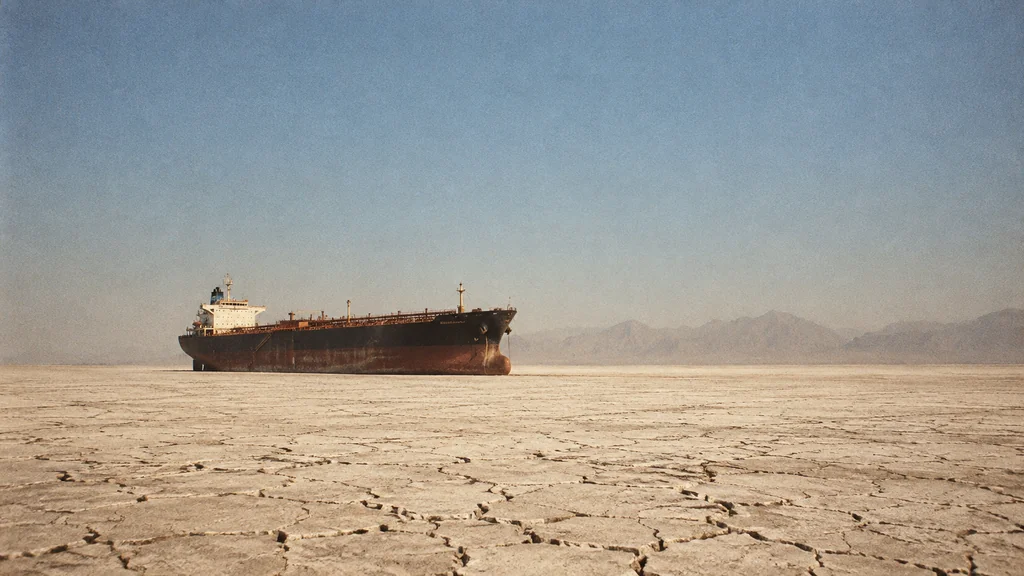
Damage near Hormuz makes the passage riskier, even before cargoes fail to arrive.
Image composition · tobriefTankers were damaged near the Strait of Hormuz last week, and three unnamed maritime-security sources told Reuters they counted at least twelve incidents involving oil and gas tankers from 28 September to 5 October. They called it the highest weekly figure since the US-Iran war began on 28 February (Reuters). The public evidence confirms damaged ships. It cannot show how many of the twelve were strikes, or what the week cost Europe, which depends on this route for Gulf oil and Qatari gas.
Two counts that measure different things
The sources published no list and no counting rules. "Incidents" can cover anything from a missile hit to a threatening radio call. Reuters is the only independent reporting on the figure, and outlets that repeated it add no corroboration.
The International Maritime Organization (IMO, the UN shipping agency) keeps a narrower record that covers damaged ships only. As displayed on 6 October, its register named nine damaged ships between 28 September and 4 October (IMO). Reuters noted that this beat the eight recorded in the week of 13 July, the agency's previous high (Reuters).
The IMO window ends a day before the private one. Both counts point to a bad week, but neither produces a matching list of twelve cases. The gap could be harassment, late reports, or strikes the IMO has not yet logged.
Harassment is real. On 5 October, a ship's captain told UK Maritime Trade Operations (UKMTO, the British-run centre that collects reports from merchant ships) that Iran's Revolutionary Guard had threatened to target his inbound tanker (UKMTO). The tanker turned back, and no impact was reported. Nobody has said whether episodes like this one are among the twelve. Some strike notices also surface days after the event, so a week's total can keep rising after the week ends.
What the damage looks like
The Lipsi, a crude tanker managed by the Greek company Dynacom and flying the Liberian flag, was damaged on 4 October (IMO). The Joint Maritime Information Center (JMIC), a US Navy-led hub that pools threat reports for merchant shipping, issued an update the same day. Shipping specialists relaying it described other vessels losing propulsion or power, and a drone entering a tanker's funnel (gCaptain).
Who fired is less settled. UKMTO's strike notices describe the projectiles as unknown. According to the same specialist reporting, JMIC reads the pattern as the Revolutionary Guard keeping pressure on shipping (gCaptain). That is a judgment about intent, relayed secondhand, and it does not prove who caused each impact.
Costlier voyages, thinner gas flows
Fewer ships are crossing. The vessel-tracking firm Windward counted 13 crossings on Sunday 4 October against 24 the Sunday before, the Financial Times reported. Two Sundays do not make a trend, and the wider war may explain the drop as much as last week's incidents.
Crossing has also become more expensive. Brokers quoted war-risk premiums (the extra insurance owners buy to sail into a conflict zone) of roughly 6–10% of a ship's hull value (Financial Times).
Gas exports remain far below normal. At least three LNG carriers left Hormuz around 5 October. Even so, September's outbound LNG volumes stayed more than 75% below prewar levels, according to Bloomberg reporting based on Kpler shipping data (Energy Connects).
One European terminal shows no sudden hole. Rotterdam's Gate terminal recorded five LNG arrivals from 28 September to 5 October, against three the week before, all labelled as US or probably US in origin (Gaspeil). That figure covers a single terminal and says nothing about Europe's wider supply. Gulf cargoes also take weeks to arrive, so damage done last week would not yet appear on a European quay.
Ships were damaged near Hormuz, and the IMO's own count reached a record. Twelve strikes have not been established. This week, Europe's exposure shows up in fewer crossings and higher insurance bills, not yet in measured supply loss, though that could change once cargoes fail to arrive. Only the three sources can say what their twelve contained. A consistent public weekly series from JMIC and UKMTO would let readers judge the next record claim on evidence rather than trust.
How was this article?
Help us get better
Help us get better
Details about this article
- Model:
- claude-opus-5-5
- Generated:
- 10/8/2026, 1:33:41 AM
- Pipeline run:
- eu_pipeline_20261008_005007
- Watermark:
- SynthID (Google's invisible watermark)
- Human review:
- None before publication