Bulgaria seeks NATO cover after drone strikes
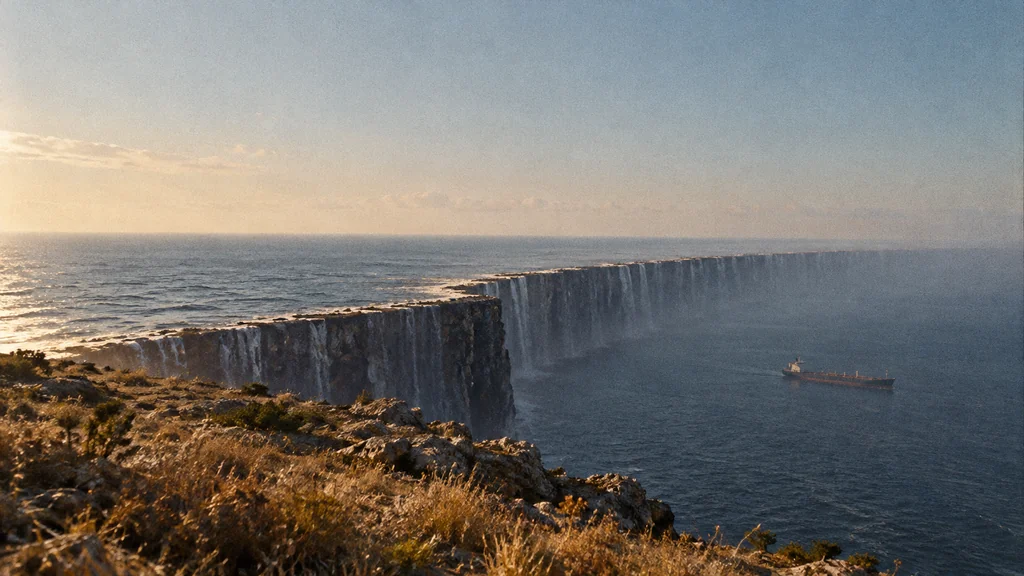
Bulgaria seeks protection for its coast; merchant ships face danger farther out.
Image composition · tobriefBulgaria has asked NATO allies for fighter jets, surface-to-air missiles, counter-drone systems, patrol aircraft and a visible allied presence in its territorial sea after drones struck merchant ships off its coast (BTA, Reuters). The ship hit nearest Bulgaria was struck outside those territorial waters, and the public request does not say who would protect vessels out there (Bulgarian transport ministry). NATO ambassadors will discuss the request next week, and nothing has been approved (Reuters).
Defence Minister Dimitar Stoyanov said on 16 October that he had written to Secretary General Mark Rutte and to Alexus Grynkewich, NATO's top commander in Europe, asking for "the full available spectrum" (Radio Bulgaria). He named no aircraft type, force size, base or timetable. He also conceded that allied resources are limited, and that Romania and the Baltic states are competing for them.
Where the line falls at sea
On 13 October three drones hit the Malta-flagged Chelsea 3 about 17 to 18 nautical miles east of the town of Byala, and all 15 crew were rescued (Bulgarian transport ministry). That spot lies beyond Bulgaria's territorial sea, in waters where Sofia has economic rights but not full sovereignty. Jets, missile batteries and allied ships inside territorial waters would guard the coast and ports. On their own, they would not cover the place where the Chelsea 3 was hit.
The damage did not stop there. A second ship, HS Dignity, sank off Bulgaria, and the search for its 11 missing sailors ended on 14 October (AP). Romania counted its own losses, including the tanker Wine Trader, which caught fire near Sulina on 15 October with seven sailors missing (Romanian Naval Authority), part of the wider wave we reported earlier (To Brief).
Who launched the drones remains formally unproven. Prime Minister Rumen Radev says the pattern points to Moscow but that Bulgaria cannot prove it. Romania's foreign minister, Oana Țoiu, has blamed Russia outright (AGERPRES), while President Nicușor Dan says Romania cannot technically identify where the drones came from (HotNews).
Why Sofia needs borrowed jets
Bulgaria owns new fighters it cannot yet send into combat. Its F-16s have arrived, but the air-force commander said on 16 October they had not entered combat duty (BTA). The defence ministry targets 2027 for that (Bulgarian defence ministry).
EU money is real but slow. The Commission paid Bulgaria €489.3 million up front against roughly €3.3 billion in loans under SAFE, the EU's lending scheme for defence purchases (European Commission). Loans buy contracts. They do not put aircraft over the Black Sea this month.
What next week's meeting can deliver
The ambassadors meet as the North Atlantic Council, NATO's top political body, which works by consensus, so any single ally can stall a decision (NATO). Agreement would commit NATO to a response, not hand over hardware. The alliance owns almost no jets of its own. Governments must volunteer aircraft and missile batteries, which makes the capitals with equipment to spare the real decision-makers.
Protecting ships in open water is a harder job. An unnamed Romanian defence source told AP that Romania's warships lack the anti-air defences to shepherd merchant vessels through drone threats (AP). Patrol aircraft could give Bulgaria better eyes offshore. The disclosed request does not say whether anyone would escort or defend ships there.
The risk travels well beyond the two coastal states. The Chelsea 3 flew Malta's flag, carried Ukrainian and Azerbaijani sailors and was heading to Moldova. In July the Black Sea carried about 80% of Ukraine's grain and oilseed exports (European Commission), so a route that shipowners and crews come to see as unsafe would hurt Kyiv's export earnings as much as Bulgaria's ports.
Bulgaria is asking allies to fill a gap that its own fighters will not close before 2027 (Bulgarian defence ministry). Next week the ambassadors can agree that NATO should respond, but national governments will decide what actually flies and sails. The request covers Bulgaria's airspace, its coast and its territorial sea. Sofia and the governments willing to send equipment still have to say whether anyone will defend merchant ships in the waters where the Chelsea 3 was hit.
Details about this article
- Model:
- claude-opus-5-5
- Generated:
- 10/17/2026, 1:32:51 AM
- Pipeline run:
- eu_pipeline_20261017_005006
- Watermark:
- SynthID (Google's invisible watermark)
- Human review:
- None before publication