Denmark attributes plot to kill rapper to Russia
AI Daily Synthesis
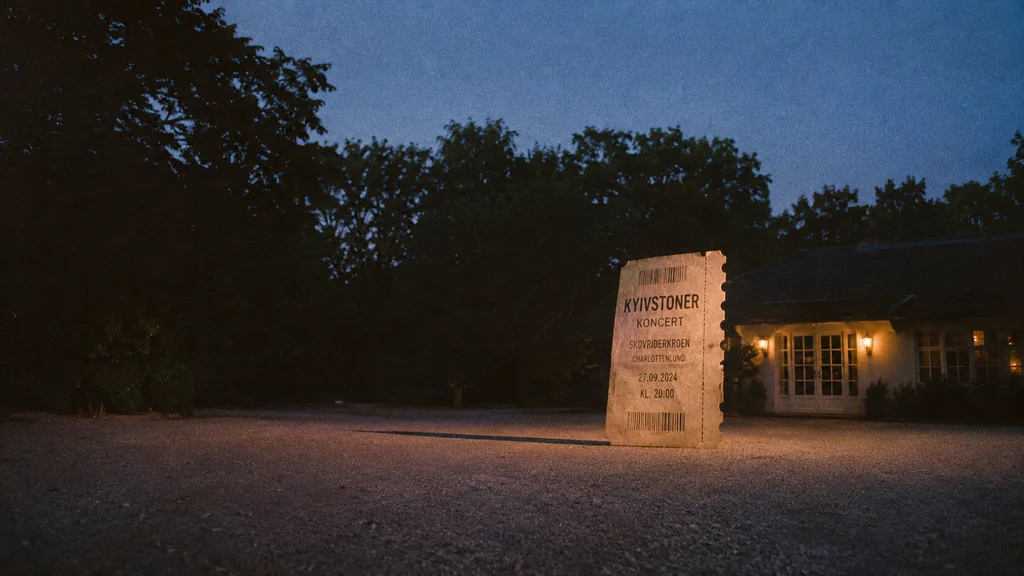
Image composition · tobriefTwo men who, according to the charges, were arrested with pistols minutes before a concert by Ukrainian-American rapper Kyivstoner north of Copenhagen (TV 2) are now being held on suspicion of attempted murder in cooperation with a foreign intelligence service (North Zealand Police). The Danish Security and Intelligence Service (PET) assesses that Russian intelligence services planned the attack. Yesterday, Friday, the government decided to expel the Russian defence attaché (DR).
The night of the concert
On 25 September, police were investigating people with ties to Loyal to Familia (LTF), a banned gang. On Strandvejen in Hellerup, a suburb north of Copenhagen, they stopped a car, arrested three men aged 18 to 22 and found two pistols and two knives inside. Later that night, they separately arrested a 28-year-old man. All four were remanded in custody the next day on charges of possessing weapons under aggravating circumstances (North Zealand Police). The description of the charges says the pistols contained live ammunition (TV 2).
Nearby, in Charlottenlund, Kyivstoner, the stage name of Albert Vasiliev, a former member of the group Griby (DR), was due to perform at Skovriderkroen. The concert was cancelled. According to the charges, as reported by TV 2 and DR, one of the two men had bought a ticket for the concert (TV 2, DR). TV 2 reported that the arrest took place five minutes before the scheduled start at 22:00 (TV 2). The venue had assessed the concert beforehand in consultation with the police and PET (TV 2).
The rapper wrote on Instagram in October that Danish and American security officials met him at the airport and told him his life was in danger (Meduza). According to Eurointegration, he wrote that "the intelligence service forbade us from holding the concert" (Eurointegration).
The allegations against the two men
At a hearing on 20 November at the court in Lyngby, a town north of Copenhagen, prosecutors asked to add attempted murder (§237 together with §21 of the Criminal Code) and aiding a foreign intelligence service (§108) to the grounds for holding two of the four men. The judge found "reasonable suspicion" and granted the request (North Zealand Police). The decision concerns only their pre-trial detention: whether the two remain in custody and on which allegations.
The hearing was held behind closed doors, with an order barring publication of the men’s names. According to DR, the prosecutor argued there that the men were acting on the orders of a Russian intelligence service (DR). DR also reported that one is a registered LTF member and the other has ties to the organisation (DR). LTF was banned in 2018, and Denmark’s Supreme Court upheld the ban in 2021, but the Danish National Police say it remains active (Danish National Police). Both men deny the charges (TV 2).
From PET’s assessment to the expulsion
At 16:00, PET chief Rasmus Kiffer-Kristensen spoke at a briefing in Søborg, a suburb of Copenhagen. He said the attribution to Russian intelligence services was "our assessment, and I must say, a clear assessment" (TV 2). The service assessed that other concertgoers were not at risk (TV 2). Its written statement says Russian intelligence services planned and set the attempted attack in motion, and that people with ties to LTF were to carry it out (PET).
An hour later, Danish Foreign Minister Lars Løkke Rasmussen, alongside Justice Minister Nicolai Wammen, announced that the Russian defence attaché must leave the country within seven days (TV 2). Russian Ambassador Vladimir Barbin had just been informed at the ministry. Rasmussen described the expulsion as a message to Moscow (DR) and said Denmark would not break off diplomatic relations (Al Jazeera). The Vienna Convention allows a host state to declare a diplomat unwelcome without giving reasons for its decision (United Nations).
Danish Prime Minister Mette Frederiksen attributed the attempted attack to Russian intelligence. She promised more support for Ukraine, tougher sanctions, a halt to non-essential visas for Russians and more resources for the police and PET (Danish Prime Minister’s Office). Wammen announced a bill to increase penalties for crimes committed on behalf of a foreign power. Ritzau noted that it was unclear how much of the measure was new, since a proposal for tougher penalties for crimes committed on orders had been under consultation since September (Berlingske/Ritzau). Rasmussen also called on European partners to stop issuing Schengen visas to Russians (BBC).
Russia’s response
The Russian embassy denied any involvement. It argued that Denmark had presented no evidence and had not requested judicial assistance, and that it would make no sense to target an artist with little political influence. It called the Danish authorities’ public statements an attempt to put pressure on the court and spoke of a "Danish model" that manufactures a "Russian trail" (CNN). Russian Foreign Ministry spokeswoman Maria Zakharova promised an "appropriate response" to the expulsion, without specifying a measure (Meduza).
PET says the criminal case now rests with the police and prosecutors. If charges are brought, the court will decide what each of the two men did and knew (PET). A lawyer for one of the men is already considering an appeal to Østre Landsret, the appeals court for eastern Denmark (TV 2). The Russian defence attaché has seven days to leave.
Details about this article
- Model:
- claude-opus-5-5
- Generated:
- 11/21/2026, 4:20:10 AM
- Pipeline run:
- incremental_20261121_033011
- Watermark:
- SynthID (Google's invisible watermark)
- Human review:
- None before publication