Website testing tool infected BBC, CNN and Zoom pages
AI Daily Synthesis
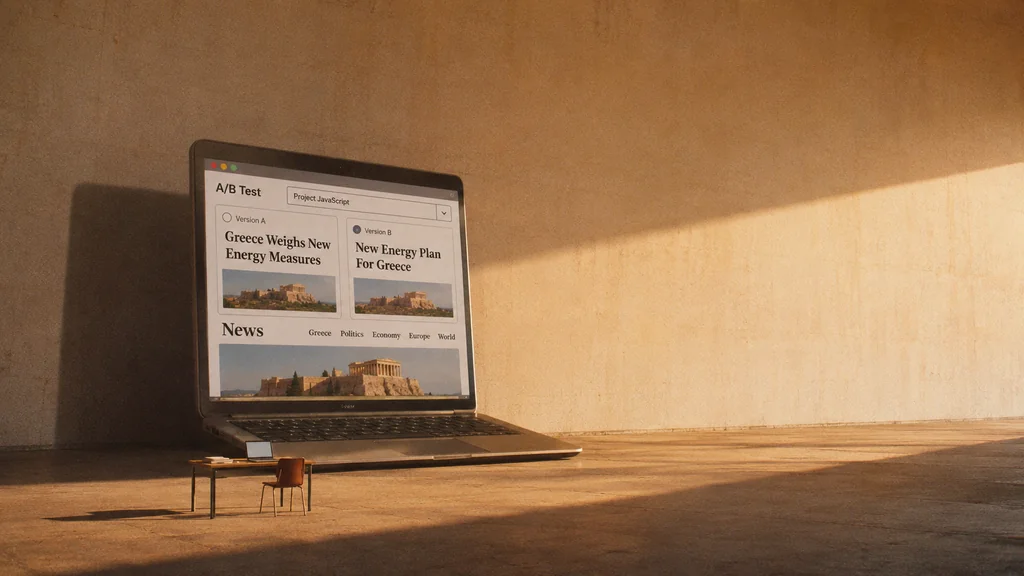
Image composition · tobriefOn 16 November, anyone who opened pages on the BBC, CNN or Zoom websites may have run code on their device that changed cryptocurrency addresses, harvested card details and attempted attacks on iPhones. The code came from an Optimizely tool that the sites load to test different versions of their pages. The security company Report URI found it in 188 files used by 178 organisations (Report URI).
The decorator with the key
Many large websites show different things to different visitors. With Web Experimentation, a testing tool from Optimizely, an organisation adds a small piece of JavaScript to its page. JavaScript is the language that lets a page perform actions in a browser. The organisation can then show visitors different headlines or purchase buttons and measure which works better (Optimizely documentation).
Think of a shop that gives an outside decorator a key to change its window display and shelves without rebuilding the shop. It is convenient. But anyone who gains the right to change the display can affect every customer who comes in.
The decorator always starts with a general set of instructions that runs before any change to the display. Optimizely calls it Project JavaScript, and anything written there affects all of a customer’s tests (Optimizely). The attacker added a small loader to those instructions. It pulled the rest of the code from an external domain while the file otherwise looked normal (Report URI). The browser ran it because the page was set up to trust Optimizely, without checking the code itself.
How the attacker gained access to those instructions has not been fully explained. Optimizely confirmed that an unknown person exploited a vulnerability in its service and says it has fixed it (Optimizely). It told the technology news site BleepingComputer that the flaw lay in the registration process for new accounts, but did not explain how that gave access to other customers’ settings (BleepingComputer).
Cards, wallets and iPhones
The figure of 188 counts files, not visitors or victims. Report URI found them among 1,611 files it managed to check (SecurityWeek). Using archived scans, BleepingComputer confirmed that the code loaded or attempted to load on the websites of Zoom, KLM, GitLab, the BBC, CNN and Salesforce, among others (BleepingComputer). The exact pages involved, such as whether they included payment pages, are unknown.
According to an analysis by the security company StepSecurity, the code was monitoring forms on pages from 15:43 Greek local time. It identified card numbers, expiry dates and CVV security codes and sent them to the attackers before a purchase was even completed (StepSecurity). It could not reach payment fields loaded in a separate frame by another provider, and no number of stolen cards has been made public.
Another part replaced wallet addresses on eight cryptocurrency networks with the attacker’s addresses, so money was lost only if a user sent it to the wrong address (StepSecurity). Report URI counted about $7,000 flowing into the wallets used by the code (Report URI). The blockchain analysis company Bitquery estimates that only 19 payments, totalling just over $2,000, probably came from victims. The rest appears to have been the attacker’s own money (Bitquery). In other words, code that reached BBC and CNN pages brought in about the cost of a good laptop.
On iPhones and iPads, the code read the iOS version and loaded ready-made exploit kits into a hidden frame: Coruna for iOS 13 through 17 and DarkSword for iOS 18. On iOS 26, it merely recorded device information (Report URI). On iOS 18.6 or earlier, it refreshed the page every minute to try again, which may have been a visible sign of the attempt (Digital Trends). Tests by the cybersecurity company Hudson Rock using an iPhone simulation confirmed that the next stages were delivered, but no successful infection of a real device has been documented (Infostealers). Updating to the latest iOS version was therefore precisely what closed that route.
Optimizely says it fixed the vulnerability, removed the code and added protections. Its status page remains in “monitoring” (Optimizely). According to Report URI, the first altered file appeared at 06:21 Greek local time on 16 November and all the files were clean by 01:11 the following day. Those are the times when the files were observed, not when each visitor was exposed (Report URI).
Salesforce disabled the affected files on its websites as a precaution (Reuters via Economic Times). Equifax stopped using Optimizely and says it found no breach of its systems, while IKEA is still assessing the impact (Reuters via ET Now).
Defences worked where the rules were strict. Many websites tell the browser where it may load code from and where it may send data. According to Report URI, such rules prevented the rest of the code from loading or data from leaking on some sites (Report URI). But when the rule allows “anything from Optimizely”, legitimate and malicious code arrive from the same source. A file integrity check, which rejects a file if even one byte changes, suits files that stay the same, rather than a testing file that changes constantly (MDN).
None of the major websites needed to be breached. Breaching the decorator to whom they had all given a key was enough to put the attacker’s code on their visitors’ screens.
Details about this article
- Model:
- claude-opus-5-5
- Generated:
- 11/17/2026, 5:23:51 PM
- Pipeline run:
- incremental_20261117_163014
- Watermark:
- SynthID (Google's invisible watermark)
- Human review:
- None before publication