EU’s 1,646 Russia targets remain unnamed
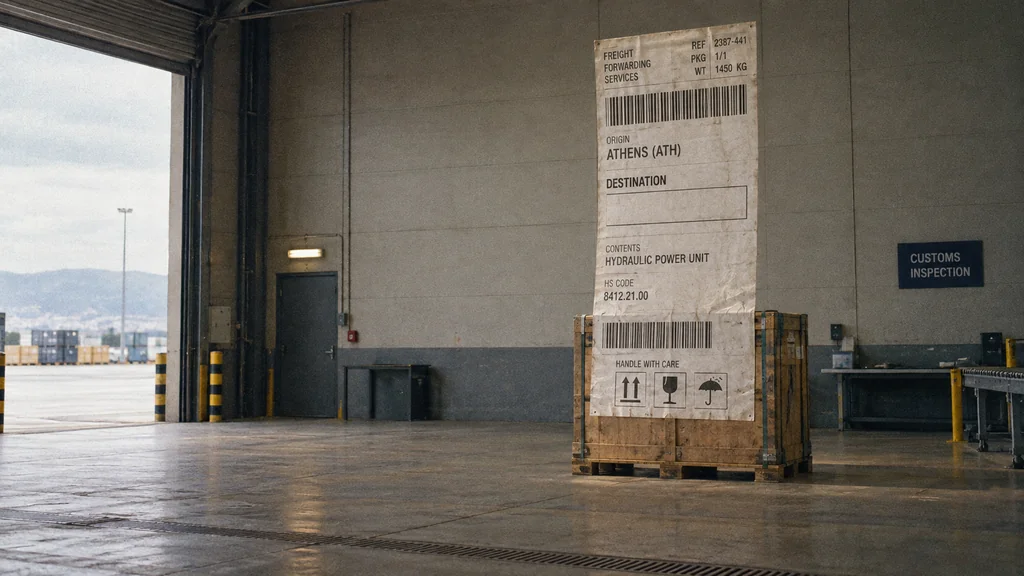
Europe’s sanctions depend on finding the routes that still supply Russian weapons.
Image composition · tobriefEU ambassadors agreed on 7 October to sanction 1,646 Russia-linked people and companies (Kyiv Independent, Defence24). Foreign ministers are expected to adopt the measures on 12 October, and the names will become public only then (Euronews). Nothing has been frozen under this new list yet. Its effect will depend on whether the names reach the suppliers and payment routes that keep Russian weapons production running.
Who the list goes after
Most entries are Russian weapons makers and their suppliers. A smaller group of 77 people is tied to elections for the State Duma, Russia's lower house of parliament, which Moscow held in occupied Ukrainian territory. That group includes candidates and the officials who ran the vote (Defence24). It punishes Moscow's claim to govern occupied land. The rest of the list targets its ability to keep fighting.
The European External Action Service, the EU's diplomatic arm, drafted the list. Diplomats who briefed Reuters said more than half of the weapons-industry entries concern ballistic missiles, from research labs to rocket fuel and engines (Reuters). Those descriptions can't be checked yet. The annex, the attached roster of named targets, has not been published.
If ministers adopt it, the package would be the broad push against Russia's arms industry that officials promised in August (To Brief).
What a listing does, and when it starts
The ambassadors met in Coreper, the committee that prepares decisions for EU ministers. Their agreement is political, not yet legal. Sanctions need unanimous approval from member governments, so any single capital can still block them before the freeze begins (Council).
Once a listing takes effect, any assets in the EU owned or controlled by that target must be frozen. No one in the EU may pass money or economic resources to it, directly or through intermediaries (EUR-Lex). Banks, companies and customs officers in every member state carry out that work. They cannot screen transactions against names they haven't seen.
Where the pressure could actually land
Earlier sanctions rounds show Russia adapting rather than running dry. The Kyiv School of Economics tracks the electronic components and machine tools that Russia needs most for weapons. According to its report for the second quarter of 2026, China supplied about 75% of Russia's reported imports of those goods (KSE). For the new list, that has a direct consequence. A Russian missile plant that buys its parts in China and banks at home loses little when Brussels publishes its name.
The pressure points are more likely to sit with the people who move the goods. Finnish Customs is investigating hydraulic equipment worth about €5.9 million that was allegedly shipped to Russia on paperwork naming Kazakhstan and Türkiye as destinations (Finnish Customs). The case is an allegation, not a conviction, and it has no link to the new list. It does show one route that a freeze could interrupt: equipment travelling through third countries on documents that hide where it really ends up.
The headline figure tells readers little about what the package will do. Suppose the annex mostly names Russian factories with no European bank accounts, customers or partners. Then the freeze will have little to grip, however long the list. Suppose instead it reaches trading houses, freight firms and payment intermediaries that depend on European banks and buyers. Then it could make it slower and more expensive to keep Russia's missile lines supplied. On the evidence so far, the governments have agreed on a large number. Whether they have agreed on the right targets will be clear only when the names are published.
Details about this article
- Model:
- claude-opus-5-5
- Generated:
- 10/8/2026, 1:32:31 AM
- Pipeline run:
- eu_pipeline_20261008_005007
- Watermark:
- SynthID (Google's invisible watermark)
- Human review:
- None before publication