Europe enters Ukraine talks after Moscow
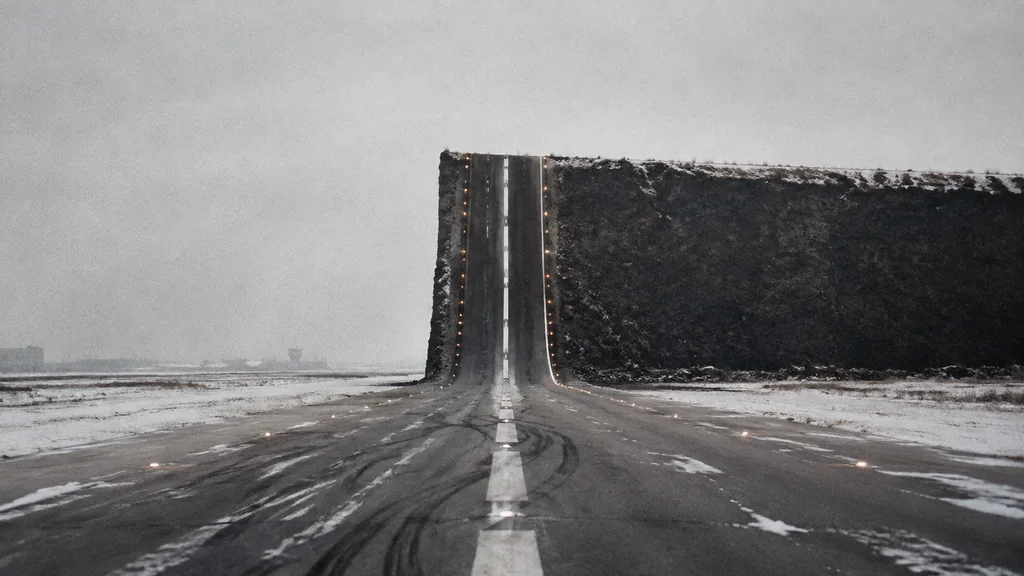
The diplomatic route reaches Donetsk and rises into a wall.
Image composition · tobriefUS envoys Steve Witkoff and Jared Kushner flew from Moscow to Kyiv on Saturday, completing the first American shuttle between the two capitals in this mediation track. They met Volodymyr Zelensky for three rounds of talks, with British, French and German national security advisers joining the final session (AP). After more than three hours with Vladimir Putin, the envoys brought no disclosed settlement text, no ceasefire and no agreed framework to Kyiv (Republic/Reuters). The process moved. The substance did not.
Moscow first, then everyone else
The talks revealed three channels. The first runs between Washington and Moscow: Witkoff and Kushner heard Putin's position, which Kremlin aide Yuri Ushakov called "useful" while insisting Russia was winning on the battlefield (Republic/Reuters). The second runs between Washington and Kyiv: Zelensky raised territory, Patriot missiles, security guarantees and winter support (Kyiv Independent). Europe entered only at the third step. Advisers from the E3 (Britain, France and Germany, working as a trio to represent European interests) joined the final Zelensky session, and all sides agreed to meet again, though no venue was set (BR24, Il Fatto Quotidiano).
The sequencing matters. Washington heard Moscow first, then tested whatever it carried in Kyiv. Finnish analyst Henri Vanhanen described the dynamic plainly: the US is finding out what Russia offers, then checking whether Ukraine can live with any of it (Verkkouutiset). Europe arrived after the agenda was already shaped.
Donetsk is the block that won't move
The hardest obstacle is territorial. Russia demands not only the areas it occupies but the full extent of four regions it claims to have annexed, including parts Ukraine still controls (Seznam Zprávy). A source close to the Kremlin told Reuters there was "no chance" of a deal on the front line until Putin finished taking the rest of Donetsk, which Moscow believes could happen by year's end (AP). Zelensky acknowledged the question "remains relevant" but said it could only be resolved between presidents. That formula keeps the door open without conceding anything through it.
Europe has leverage it cannot yet use
European governments cannot sign away Ukrainian territory or guarantee a peace. They do control the tools that make any deal stick. Roughly €210bn in frozen Russian central-bank assets sit at Euroclear, a Belgian-based clearinghouse, giving Europe custody over money Russia wants back (Euronews). EU sanctions cover thousands of Russian individuals and entities, and lifting them requires unanimous agreement among all 27 member states. The Commission approved €6.1bn for Ukrainian air and missile defence procurement (EEAS). Germany committed €250m through its state development bank for urgent energy repairs (MDR).
Each of these levers has a blocker. Belgium refuses to release the frozen asset principal without EU-wide risk-sharing; foreign minister Maxime Prévot warned that confiscation-style moves carry "very significant risks" (Le Soir). Sweden, the Netherlands, Spain and Poland responded with a joint letter asking the Commission to spread liability across all member states (Dutch government). On weapons, EU foreign policy chief Kaja Kallas urged countries with near-expiry Patriot interceptors to send them to Ukraine, but national governments would not release missiles from their own inventories (ABC). The money exists. The political will to deploy it as bargaining power does not, at least not yet.
Zelensky's clearest message from the Kyiv talks was not about a deal. It was about survival through winter. He requested a package covering air defence, energy infrastructure and possible US LNG supplies (Kyiv Independent). That request points to a timeline problem: winter moves faster than diplomacy, and Ukraine needs commitments before any peace framework takes shape.
The shuttle diplomacy showed Kyiv and the E3 are now inside the conversation, not waiting outside it. But access is not control. Europe's money, frozen assets and weapons stocks give it real weight in any eventual settlement. Whether that weight becomes a real say in the talks, or whether European leaders remain consultants to an American process, expected to pay for results they did not shape, is the question the next round needs to answer.
Details about this article
- Model:
- claude-opus-4-6
- Generated:
- 9/7/2026, 1:35:26 AM
- Pipeline run:
- eu_pipeline_20260907_005005
- Watermark:
- SynthID (Google's invisible watermark)
- Human review:
- None before publication