Europe names Ukraine team without a mandate
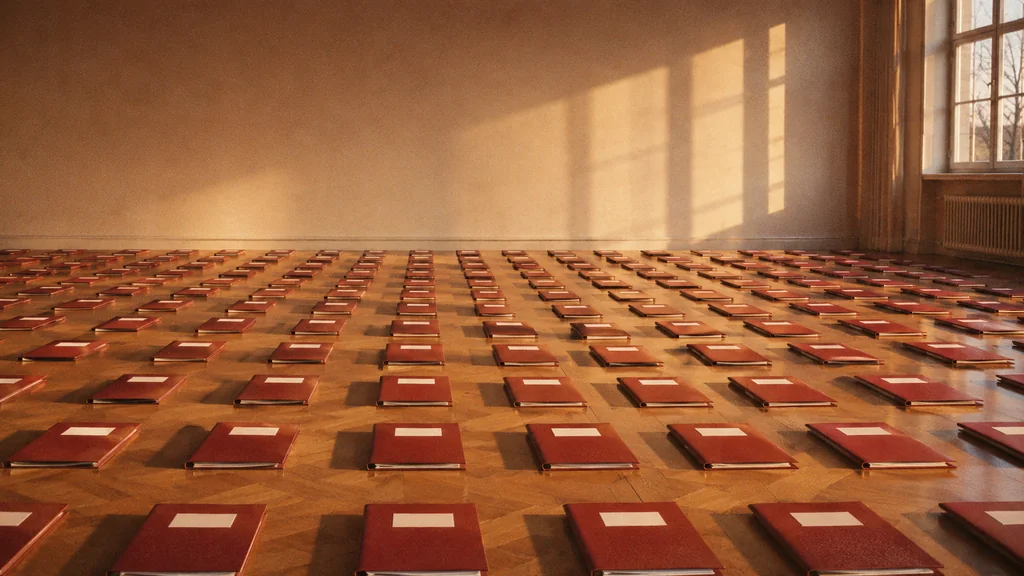
Europe assembles a negotiating team while its instructions remain unwritten.
Image composition · tobriefEuropean leaders have picked who will prepare their side in any Ukraine peace talks. The team combines EU institutions with France, Germany, Italy, Poland and the United Kingdom, the five countries now called the E5 (Council of the EU). They have not agreed what that team may offer, and Russia has not agreed to meet it.
In Abu Dhabi, but outside the room
The problem showed last week. Ukrainian and Russian negotiators met in Abu Dhabi under US mediation on 10–11 November. Before that, European officials held their own meeting with Ukraine, the US and NATO (Council of the EU).
France's foreign ministry later acknowledged that the direct talks went ahead without Europeans (France Diplomatie). The Kremlin said its delegation had no contact with European officials there (Anadolu). According to AP, the talks produced an agreement in principle on a prisoner exchange, not peace terms.
A team without instructions
European Council President António Costa, who chairs EU summits, announced the line-up on 13 November after an informal leaders' meeting in Dublin (Council of the EU). Russia had accepted no European role at the time (To Brief). The team widens the old Paris–Berlin–London circle. Poland adds a frontline neighbour of Ukraine, and Britain keeps a seat despite having left the EU.
The leaders named nobody as chief negotiator. They also published no instructions on what the team may concede. Giorgia Meloni's office admitted the gap, calling the definition of the team's mandate a second, equally important stage (ANSA).
Those instructions would set what the team can put on the table. That could mean easing sanctions on Russia, committing money, or offering security guarantees, meaning promises by European countries to help protect Ukraine after a settlement.
Sanctions are the hardest limit. EU sanctions decisions normally require unanimity, so any one of the 27 governments can block them, and the four EU members of the E5 cannot pledge the other 23 (EUR-Lex). Britain has no EU vote at all. Slovakia shows how this plays out. Robert Fico's government ties its support for sanctions to their effect on the Slovak economy (Slovak foreign ministry).
Territory is a second limit. Costa said only Ukraine can decide its territory and sovereignty, so the team cannot settle borders on Kyiv's behalf (Council of the EU).
An opening from Moscow, but no invitation
Washington talked up European access first. US envoy Steve Witkoff met Vladimir Putin on 12 November and then told Russian state television that Europeans would join the next meeting (Reuters). Russia's foreign ministry replied that European participation had not been discussed (Russian Foreign Ministry).
By 14 November Kremlin spokesman Dmitry Peskov had softened. He said Moscow would not dictate the composition of a European team and that it would be better to talk to Europeans (AP). Russia offered no date, no format and no invitation.
The next step is Berlin. Friedrich Merz, Emmanuel Macron and British Prime Minister Andy Burnham have invited the Coalition of the Willing to meet on Thursday, 19 November (German government). The coalition is a wider group of Ukraine's backers working on security guarantees. The agenda covers coordinating diplomacy, those guarantees and continued support, but it lists no peace terms. Volodymyr Zelenskyy said the meeting could be historic, a chance to define a strong, united European position for negotiations (Ukrainian presidency).
So far Europe has decided who prepares its side, not what that side may offer. The authority behind any offer is split. The five countries and EU institutions can draft a position, but easing sanctions needs every EU government, and decisions on Ukraine's land stay with Kyiv. Merz, Macron and Burnham owe Berlin two answers: what the team may put on the table, and how governments outside it get a say. Even good answers will stay theoretical until Russia agrees to talk to the team. Moscow has signalled interest but has not invited it.
Details about this article
- Model:
- claude-opus-5-5
- Generated:
- 11/16/2026, 1:52:25 AM
- Pipeline run:
- eu_pipeline_20261116_005008
- Watermark:
- SynthID (Google's invisible watermark)
- Human review:
- None before publication