Europe’s diesel stocks face a long winter
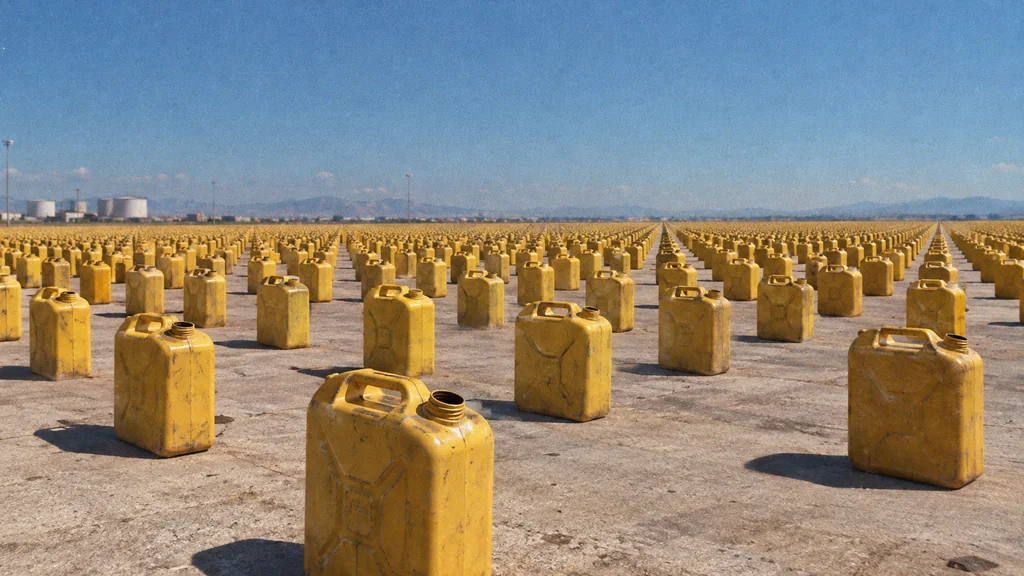
Europe enters winter with less diesel in reserve than it needs.
Image composition · tobriefThe world's depleted diesel stocks will not be rebuilt before the second half of 2027, the International Energy Agency (IEA, which coordinates rich countries' emergency oil reserves) forecast on 14 October (IEA October report, CNBC). Europe goes into winter with little spare fuel. The businesses and households that run on diesel will feel any new disruption first.
The near term looks tight as well. The IEA expects gasoil, the fuel family that includes diesel and heating oil, to fall short of demand this quarter, even though refineries should be working harder by year-end (IEA October report).
Crude recovered faster than diesel
More oil is leaving the Gulf, but less of it arrives as finished fuel. Gulf crude exports rose by 4.4 million barrels a day in September, to 13.9 million, while the region's exports of refined products stayed far below their pre-war level (ICIS). Refined products are the finished fuels that trucks, tractors and boilers actually burn.
A lorry cannot run on crude. Turning crude into diesel takes refineries that work and routes that are safe, so a rebound in crude shipments does not fill fuel tanks on its own.
The global result is clear in the volumes. Diesel and gasoil supply in the third quarter was 1.7 million barrels a day lower than in the same quarter a year earlier (IEA October report, ICIS). That figure measures a fall from last year. It does not measure the gap between supply and demand, which is what the IEA's forecast for this quarter addresses.
Europe has little to fall back on. Commercial gasoil stocks, the fuel held by companies rather than governments, reportedly fell to a 25-year low in July (The National). July is when stocks normally build ahead of winter, so the cushion is thinnest just as demand for heating oil arrives.
A shipping route under new strain
Within days, two cargo ships sank near the Strait of Hormuz, the narrow exit from the Gulf. Singapore's port authority says a Singapore-registered container ship sank after an unknown projectile struck it on 13 October (Singapore Maritime and Port Authority). A bulk carrier hit in September went down on 14 October, Reuters reported (Reuters via Internazionale). Neither ship is reported to have carried diesel.
The economic risk lies in the cost of moving fuel. War-risk insurance (extra cover for ships entering conflict zones) and tighter freight markets make diesel dearer to deliver, even after a refinery has made it. The IEA warns that strain in crude-tanker freight is spreading to other tankers, and that delivered wholesale diesel in importing markets, Europe included, could rise again in the coming weeks (Euronews).
Who pays this winter
Diesel is already expensive at the wholesale level, the price refiners and traders charge before taxes and retail costs. In September, wholesale diesel in Europe and the US touched about $220 a barrel, and the IEA's 14 October report put it at close to twice the price of crude (IEA October report). Taxes and distribution costs, which differ by country, sit on top of that. The IEA's warning therefore cannot be turned into a precise figure on a filling-station sign.
The first to pay are the people who buy diesel by the tankful: hauliers, farmers and builders. Everyone else pays later, through goods that travel by lorry.
Governments are softening the bill. Germany cut its energy tax on diesel by 14 cents a litre from October (German government). France is selling 10 million barrels of strategic diesel. It estimates pump prices will fall by 12 to 18 cents a litre if distributors pass on the cheaper fuel (French finance ministry).
The French sale followed the IEA's call for governments to prioritise diesel when releasing reserves (To Brief). Neither measure adds much fuel to the market. A tax cut moves part of the cost from drivers to public budgets, and reserves sold now have to be bought back later.
Gulf crude exports have recovered faster than diesel supply, and Europe's depleted stocks are now exposed to whatever goes wrong next. Neither sinking has been shown to interrupt a diesel cargo. For now the attacks add risk to the winter price rather than explaining it, and that changes only if product tankers stop sailing through Hormuz.
Details about this article
- Model:
- claude-opus-5-5
- Generated:
- 10/15/2026, 1:35:46 AM
- Pipeline run:
- eu_pipeline_20261015_005006
- Watermark:
- SynthID (Google's invisible watermark)
- Human review:
- None before publication