Finland’s nuclear flights may bypass Parliament
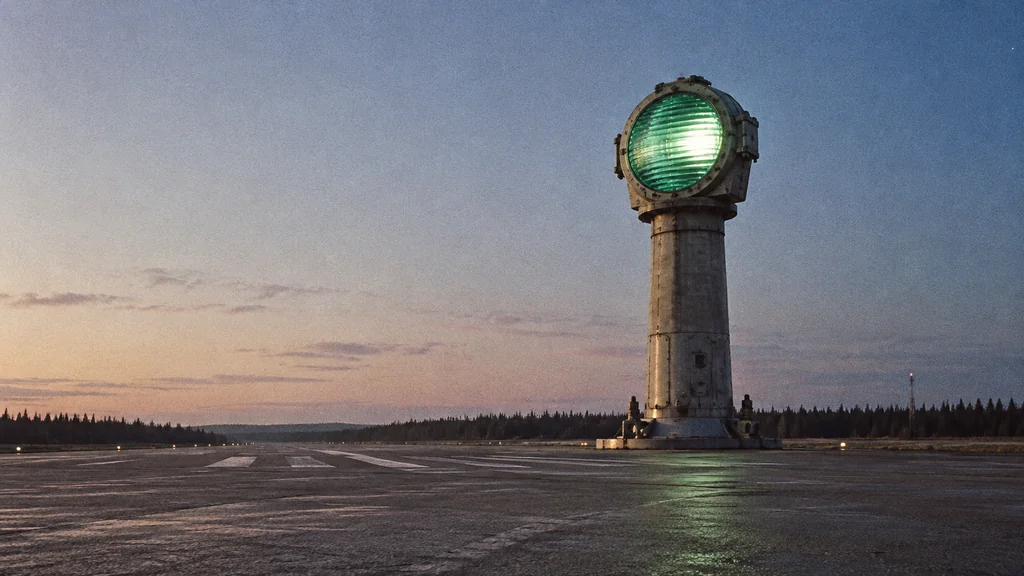
Finland’s runways are now an option in a nuclear crisis.
Image composition · tobriefSince 1 July, Finnish law has allowed nuclear weapons to be brought into Finland, moved across it and held there temporarily for defence (Act 591/2026). On 24 October a senior NATO official, Nassima Barrows, said an aircraft carrying nuclear weapons could land on Finnish soil in a crisis, a possibility she called theoretical (Helsingin Sanomat). Such a flight could fall under a broader defence decision by Finland's leaders, so Parliament is not guaranteed a vote on it (HE 72/2026).
No such flight has been announced. Barrows spoke after NATO's High Level Group met in Helsinki on 21 October. The group advises the alliance's nuclear planners, and its public account of the meeting named no Finnish airfield, aircraft or timetable (NATO).
A narrow change, passed in June
MPs approved the government bill behind the change on 17 June, by 125 votes to 61 (Eduskunta). It produced two acts, both in force since 1 July (Act 590/2026, Act 591/2026). One removed the blanket territorial ban from the Nuclear Energy Act. The other added a defence exception to the Criminal Code.
The limits stay firm. Building, acquiring or detonating a nuclear weapon is still a crime. Stationing weapons permanently would need a separate treaty approved through Finland's constitutional process (HE 72/2026). The government also says Finland does not intend to host nuclear weapons in peacetime, but that pledge is policy, not law (Finnish government report).
The government's case rests on timing. A legal ban, it argues, does the most damage once a crisis has begun, when there is no time left to rewrite laws (HE 72/2026).
Who signs off on a flight
The approval rule is the heart of the story. A single nuclear movement does not need a decision of its own. Finland's leaders could approve a defence agreement or a crisis decision, and that approval could later cover a nuclear-armed flight (HE 72/2026). MPs would not necessarily get a vote on the flight itself.
The Greens opposed the change. In a party statement, Green MP Hanna Holopainen warned that even the possibility of nuclear movements could raise the risk of misreading intentions in a crisis (Greens' statement). Her worry points at the same feature the government values: a decision that can move fast, without fresh legislation.
NATO's own account keeps Helsinki in charge. Barrows said a landing would require Finland's agreement, and that NATO never asked Finland to change its law (Helsingin Sanomat). Finland's defence ministry added that NATO has no plan to station nuclear weapons in the country (Finnish defence ministry).
Finland's own aircraft raise a separate question. Barrows noted that Finnish F-35s are not certified to carry nuclear weapons. Joining nuclear sharing, the arrangement in which allies fly US bombs that stay under American control, would take time and a Finnish decision, she said.
What NATO could gain
The change matters beyond Finland because of geography. In the assessment of the Polish Institute of International Affairs, extra airfields could give NATO alternative routes, shorter flights and aircraft that are harder to destroy (PISM). If Finland agreed, the alliance's nuclear planners could count on Finnish runways along its northeastern edge in a crisis. EU institutions have no role in any of this. The choice sits with Finland's government and with NATO.
The record supports a clear finding. Finland's leaders now hold a crisis option they previously lacked, and Parliament has no guaranteed vote each time it might be used. The promise not to host nuclear weapons in peacetime still rests on government policy, not on the statute book. No nuclear movement through Finland has been announced.
Details about this article
- Model:
- claude-opus-5-5
- Generated:
- 10/25/2026, 1:26:06 AM
- Pipeline run:
- eu_pipeline_20261025_005006
- Watermark:
- SynthID (Google's invisible watermark)
- Human review:
- None before publication