Four ships hit, Romania awaits patrols
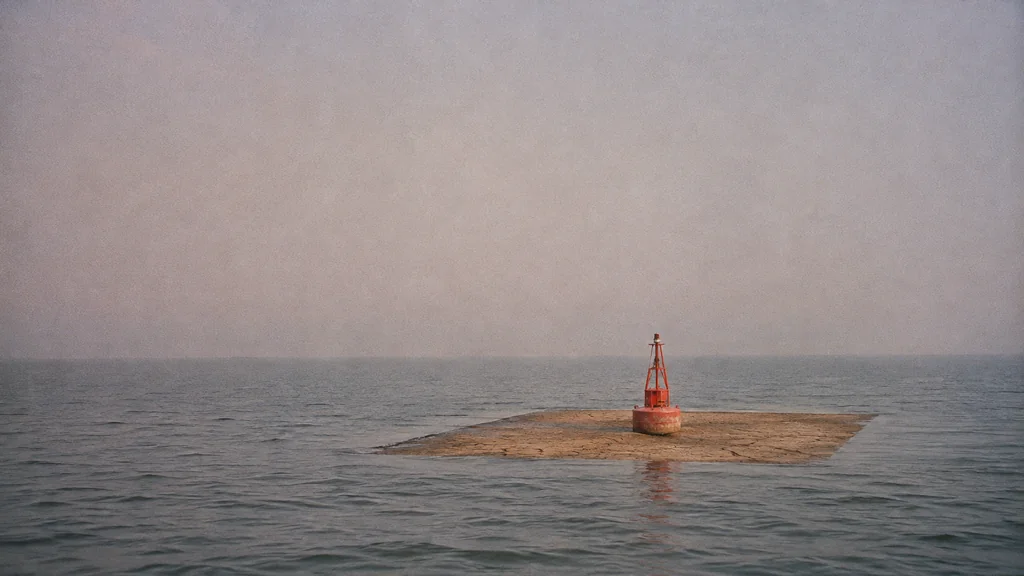
Off the delta, Romania can warn ships while allied protection remains a request.
Image composition · tobriefDrones hit three commercial ships off Romania's Danube Delta on Saturday night, starting fires near Sulina, where the river meets the Black Sea (Reuters). Crews put out the fires and no one was hurt. Romania has warned ships away from part of its coast and is asking allies for patrol aircraft and anti-drone equipment. So far, that help exists only as a request.
One of the ships was a Greek-flagged tanker, and Greek media confirmed that its crew escaped unharmed (Euronews Greece). An EU member's merchant fleet was therefore caught in an attack inside another EU member's waters. That is why the strikes matter beyond Romania.
Three ships, or four?
Some readers will have seen a higher count. Bulgaria's daily СЕГА reported four ships struck (СЕГА), because it added a vessel hit the night before.
On Friday, the Palau-flagged Larissa 1, sailing toward Ukraine, reported a drone strike off Sfântu Gheorghe, farther south along the delta. According to local reporting, the strike damaged its cargo crane but caused no fire or injuries (Radio România Constanța). We covered that first strike on Sunday (To Brief). The accurate tally is four ships across two nights.
What Romania can do on its own
Romania's first response is a warning. The Maritime Hydrographic Directorate is the body that tells ships about hazards at sea. From 15 November it declared the waters off the coast between Sulina and Sfântu Gheorghe dangerous because of floating objects drifting in from the north, and it told ships to stay out (Radio România Constanța).
Defence Minister Ștefan-Radu Oprea told captains to plan routes around the area. He called the advice preventive and said ships may still sail there (HotNews).
The notice gives drifting objects as its reason, not drones. Even read generously, it changes where ships sail. It does not intercept a drone or provide an escort.
Who would have to send the planes
Romania's prime minister called the attacks unacceptable and a breach of international law (Reuters). Oprea says he will raise the strikes with his counterparts in Brussels on 17–18 November. He plans to ask for surveillance-aircraft patrols and counter-drone equipment (Radio Timișoara).
The chain of authority matters here. Romania can warn ships and ask for help. The aircraft and equipment belong to individual allied governments, and each would decide for itself whether to send them. EU defence ministers do meet on 17 November, but their published agenda covers Ukraine, China and transatlantic security, not the Danube strikes (Council of the EU). The meeting gives Oprea an audience for his case. It is not a body that orders patrols.
Patrol planes would also offer limited protection. On 28 October, a French Atlantique 2 maritime patrol aircraft spotted sea drones closing on the container ship Contship Jet and warned the crew. It could not stop the drones. The ship sank, though its sailors survived (Mer et Marine). That one case shows that spotting an attack can buy a crew time. Preventing a strike takes interceptors or escorts.
Longer-term help is also still on paper. The European Commission has pledged up to €50 million for a joint Romanian-Bulgarian maritime security hub, which would improve how the two countries share threat information. The hub has no operating date yet (European Commission).
Romania's own account still describes the patrols and counter-drone gear as something it has to ask for. No allied government has publicly offered them. Until one does, the only measure in force off the delta is the warning telling ships where not to sail. The governments that operate patrol aircraft now have to decide whether they will answer Bucharest's request.
Details about this article
- Model:
- claude-opus-5-5
- Generated:
- 11/16/2026, 1:48:35 AM
- Pipeline run:
- eu_pipeline_20261116_005008
- Watermark:
- SynthID (Google's invisible watermark)
- Human review:
- None before publication