G7’s 100 million barrels leave diesel unclear
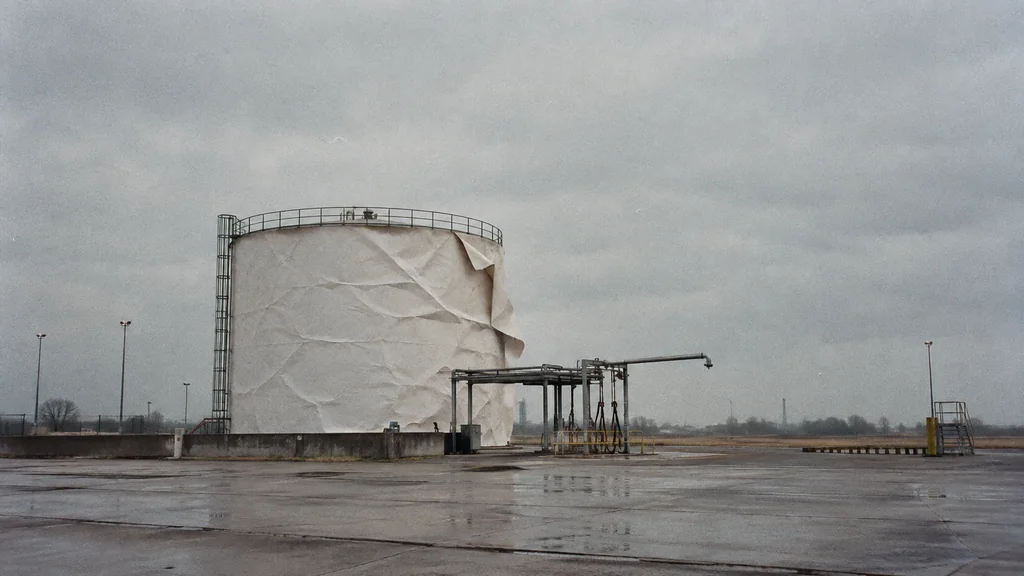
Europe awaits the diesel behind a pledge of 100 million barrels.
Image composition · tobriefG7 leaders agreed on 2 October to release 100 million barrels of crude oil and refined fuels over four months, with diesel promised within the first 20 days (G7 statement). The statement gave no diesel volume, no country shares and no line between new barrels and old ones. Four days later, European buyers still cannot tell how much fresh diesel the pledge adds, or when it will reach them.
The release runs through the IEA (the International Energy Agency, where oil-importing countries coordinate emergency stocks). On the same day, Donald Trump dropped his threatened ban on US diesel exports (The Journal), as we reported (To Brief).
Old promises inside the new number
The overlap goes back to March, when the IEA's 32 members agreed to make 400 million barrels available after the Middle East disruption (IEA). By 2 October, IEA chief Fatih Birol counted about 325 million barrels released, with roughly 75 million still to come (Euronews).
"Released" covers more than fuel changing hands. Italy's March contribution lowered the stocks companies must hold abroad, covering petroleum coke, bitumen, lubricants and fuel oil, without mentioning diesel (Italian decree). A barrel counted that way frees companies to use stock; it says nothing about a sale or a delivery.
The G7 text demands full delivery of the March commitments and says barrels already supplied will be taken into account (G7 statement). S&P Global read the 100 million as the final tranche of the March effort, while Reuters reported that the overlap remained unclear (S&P Global, Reuters).
The product mix matters as much as the total. Birol told leaders that Middle Eastern crude exports had recovered while flows of refined products stayed severely constrained (IEA). Crude has to go through a refinery before it becomes diesel; stored diesel can go straight to wholesalers. Without a split, Europe cannot see how much of the pledge addresses the shortage Birol described.
From tender to tank
The Netherlands shows how long the trip takes. Its stock agency, COVA, is selling diesel from its share of the March programme to the highest bidder, at a price tied to the wholesale market (COVA tender). So Dutch motorists get no built-in discount; any benefit has to come through wholesale prices.
Bids close at 11:00 on 8 October, and loading runs from 1 to 30 November (COVA tender). That proves one thing: a sale to a winning trader, with fuel leaving storage weeks after the offer. One tender cannot tell us when all reserve diesel arrives.
Other governments have published less. Germany's economy ministry said no IEA request had defined a German October share (German government). Emmanuel Macron, who chaired the call, said France would prioritise diesel but gave no volume or date (Élysée).
Who gains, and how soon
The European Commission said on 2 October that EU diesel supplies were stable for now while prices stayed high (European Commission). Europe's problem is expensive fuel, and that puts weight on imports. Washington's reversal kept an existing route open: the US supplied 40% of Europe's diesel imports in the first half of 2026, according to BNP Paribas.
Benchmark European diesel futures (contracts for later delivery) fell about $83 per tonne, or 5.75%, on 2 October (Reuters). Both announcements landed together, and the intraday drop later moderated (S&P Global). A one-day move cannot show that diesel will stay cheaper.
If wholesale prices do ease, hauliers, farmers, builders and diesel drivers gain, but slowly. Pump prices also carry taxes, retailer margins and fuel bought weeks earlier.
Agencies will eventually have to refill what they sell, at whatever prices hold then. In the Netherlands, drivers already fund COVA through a levy of 0.8 cents per litre built into pump prices (COVA). No government has said what refilling will cost or who will cover any increase.
The evidence supports one conclusion: Europe still cannot tell how much of the 100 million barrels is new diesel. Birol's implementation report, due within 20 days, may settle that (G7 statement). The report needs to state how many barrels are new rather than carried over from March, and how many are diesel.
How was this article?
Help us get better
Help us get better
Details about this article
- Model:
- claude-opus-5-5
- Generated:
- 10/6/2026, 1:59:38 AM
- Pipeline run:
- eu_pipeline_20261006_005006
- Watermark:
- SynthID (Google's invisible watermark)
- Human review:
- None before publication