Hormuz tanker strike leaves sailor missing
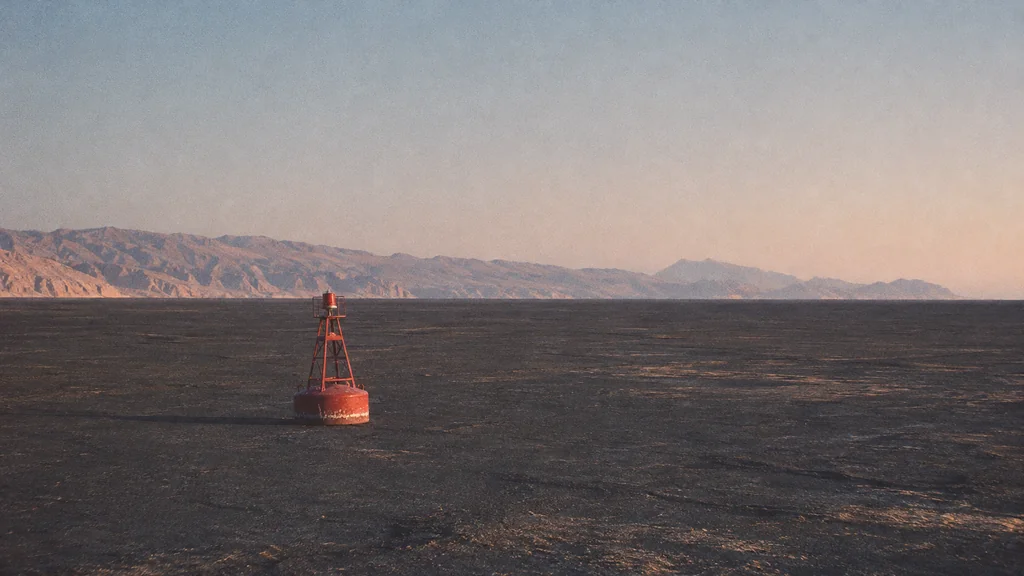
Free passage remains a promise for crews crossing the strait.
Image composition · tobriefOne Indian seafarer from the gas tanker Tara Gas was still missing on 18 November, after a second strike set the ship on fire off Oman and forced his crewmates to abandon it (Times of India). Nobody has publicly said who fired. The strike hit a strait where a public tracker counted three commercial crossings on 17 November (hormuz.now). European governments defend free passage there, but they have not shown how they would protect the ships that still attempt it.
How "all safe" became "one missing"
The Panama-flagged ship, built to carry liquefied petroleum gas (LPG), had 25 people aboard, 24 of them Indian (ThePrint). The first reports said everyone was safe. UKMTO, a British navy desk that collects shipping-security reports, logged an attack north of the Omani port of Khasab on the evening of 16 November and reported the crew unharmed (UKMTO Warning 208-26).
India's shipping minister, Sarbananda Sonowal, also said all 25 were safe and called it a missile attack (ThePrint). Then a second hit started another fire, and UKMTO could only say the crew were unaccounted for (UKMTO update).
Oman's maritime security centre, navy and coast guard evacuated 24 people (Reuters). India's foreign ministry said 21 Indians were brought ashore at Khasab, two injured sailors went to hospital and one remains missing (Indian foreign ministry). Earlier that day, a second outbound tanker reported that an unknown projectile had started an engine-room fire, though its crew were all accounted for (UKMTO Warning 207-26).
Who fired, and who sets the rules
UKMTO named no attacker in either case. Iran's navy and Revolutionary Guards have claimed this past week that unnamed tankers struck mines on routes Tehran calls unauthorised. Reuters could not verify those accounts, and none can be matched to these two ships (Reuters). Sonowal's "missile" remains India's description rather than a forensic finding, and New Delhi condemned the attack without naming a culprit.
The dispute over passage is clearer than the dispute over the weapon. Tehran says safe transit requires coordination with its forces. Meeting in Paris on 9 and 10 November, G7 foreign ministers and the EU's foreign policy chief rejected tolls and transit restrictions and condemned Iranian attacks on civilian shipping (G7 declaration). Days later, Iran's parliamentary speaker answered that the strait would not return to its pre-war status (To Brief). Shipowners are left between Iranian terms the West rejects and a free passage the West asserts.
Defending passage without protecting ships
The traffic numbers show how few owners are testing that assertion. The tracker relies on AIS, the location beacons ships broadcast publicly, and set the 17 November count against a pre-crisis average of 84.8 crossings a day (hormuz.now). Ships sailing with beacons off go uncounted, so the real figure is probably somewhat higher. The collapse is still unmistakable.
The protection that exists today is American. The G7 text credits US Central Command with escorts and mine clearance (G7 declaration). Europe's planned Hormuz contribution, a France-UK-led multinational mission, is designed to clear mines and would start only after a durable ceasefire. Germany said on 12 November it was ready to help but had not been asked (German foreign ministry). The EU's own naval operation, Aspides, guards shipping near the Red Sea's Bab el-Mandeb strait, far from Hormuz.
As planned, that mission would not have covered a ship like Tara Gas, hit during active hostilities by something no one has identified as a mine.
Europe's direct energy exposure runs through Qatari liquefied natural gas, not ships like this one, and that supply was disrupted well before these strikes. On 27 October, Italy's Edison said Qatari deliveries remained suspended under force majeure, the clause excusing a supplier when events beyond its control block delivery, until the end of December (Edison). No company notice found so far ties any further lost European cargo to this week's attacks.
The record supports a narrow conclusion. The strikes put crews at immediate risk, on Tara Gas mostly Indian sailors aboard a Panama-flagged ship. No additional European energy loss from these strikes has been established. The European mission described so far remains a conditional mine-clearing plan, which leaves Europe's commitment to free passage in Hormuz resting on a joint declaration and American warships.
Details about this article
- Model:
- claude-opus-5-5
- Generated:
- 11/18/2026, 1:59:18 AM
- Pipeline run:
- eu_pipeline_20261118_005010
- Watermark:
- SynthID (Google's invisible watermark)
- Human review:
- None before publication