Ireland’s €1.622tn budget cuts shared EU programmes
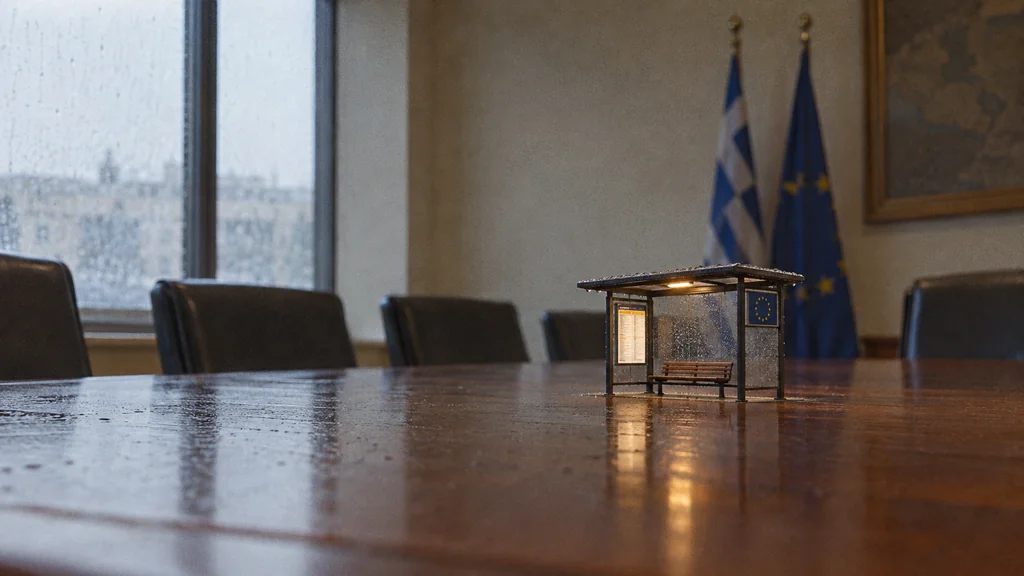
Europe protects regional funds while cities fight to keep their say.
Image composition · tobriefIreland has proposed that the EU spend up to €1.622 trillion across 2028–2034 in 2025 prices, which is €141 billion less than the European Commission asked for (Council negotiating box). The draft protects the money each country receives for farms and regions and takes the deepest savings from programmes run jointly at EU level. Governments that want a smaller total still object. The result will shape how Europe pays for farms, poorer regions, research and defence into the mid-2030s.
Ireland chairs talks among governments because it holds the Council's rotating presidency. Its "negotiating box" is a draft basis for a deal and binds no one. The long-term budget it sketches sets yearly spending ceilings. The annual budgets agreed within those limits decide what is actually committed and paid (Treaty Article 312).
Where the cuts land
Ireland argues that the draft shields the farm, regional and fisheries money most governments asked for while still funding newer priorities (Irish presidency). The figures support the first half of that claim. Compared with the Commission's plan, the budget line for research, industry and defence shrinks by 12.8%. The line holding farm payments and cohesion money (EU funding meant to narrow gaps between regions) loses only 3.4% (Council annex).
That matches what seventeen leaders had demanded when they urged protection for agriculture and cohesion (Politico). The guaranteed floor for farm income support stays largely intact at about €261 billion (Council annex). None of this is agreed yet, but the draft's priorities are clear.
Six governments wanted a different trade. In August, Germany, the Netherlands, Austria, Denmark, Finland and Sweden demanded a substantially smaller budget, with defence and competitiveness funded by shifting existing money (joint declaration). German Chancellor Friedrich Merz said the size of Ireland's proposal was no basis for agreement (Tagesschau). Danish finance minister Peter Hummelgaard objected to the priorities as well. In his view farms and regions get off lightly while competitiveness and security pay (Politiken).
Who can block, and who can only persuade
Parliament's lead budget negotiators rejected the box for the opposite reason. They argue that once inflation and debt repayments are counted, it would buy less than today's budget (European Parliament). The total does include €149.296 billion to repay the EU's joint pandemic-recovery borrowing, money that funds no new project (Council annex). That figure alone does not prove Parliament's comparison, but it does mean the headline overstates what the EU could spend on new projects.
The power map is lopsided. Any single government can veto the final deal. Parliament cannot amend it, though it can refuse consent (Treaty Article 312). Leaders discuss Ireland's draft at their 15–16 October summit, which can steer the talks but decides nothing (European Council).
Cities want a say, not just money
Capital-city mayors raise a separate risk. They want leaders to show how cuts would hit cities before fixing a total, and to keep local governments involved in designing and running EU programmes (EUNews). Their letter came before Ireland's draft and targeted the six governments' push for cuts. The Hague's mayor signed it, even though the Dutch cabinet belongs to the six.
Today, each country must spend at least 8% of its regional development fund on urban projects that city authorities help select (ERDF regulation). The Commission wants to fold such funds into one partnership plan per country, drawn up by the national government. When Parliament's research service reviewed those proposals in February, months before Ireland's draft, it found nothing replacing the urban floor (EPRS briefing). Cities fear that regional money will survive in the national pot while their guaranteed share, and their role in choosing projects, quietly disappears.
Mayors have no veto and no consent vote. Their leverage runs through the MEPs and national ministers who will write the separate fund laws together, as they did the current regional fund rules. Ireland's draft protects national allocations by cutting shared programmes, and it has still not won over the governments that can block it. Whether cities keep a guaranteed share is a decision for the lawmakers drafting the partnership-plan rules, not for this box.
Details about this article
- Model:
- claude-opus-5-5
- Generated:
- 10/14/2026, 1:38:51 AM
- Pipeline run:
- eu_pipeline_20261014_005006
- Watermark:
- SynthID (Google's invisible watermark)
- Human review:
- None before publication