Kaliningrad nuclear warning rests on unproven blockade
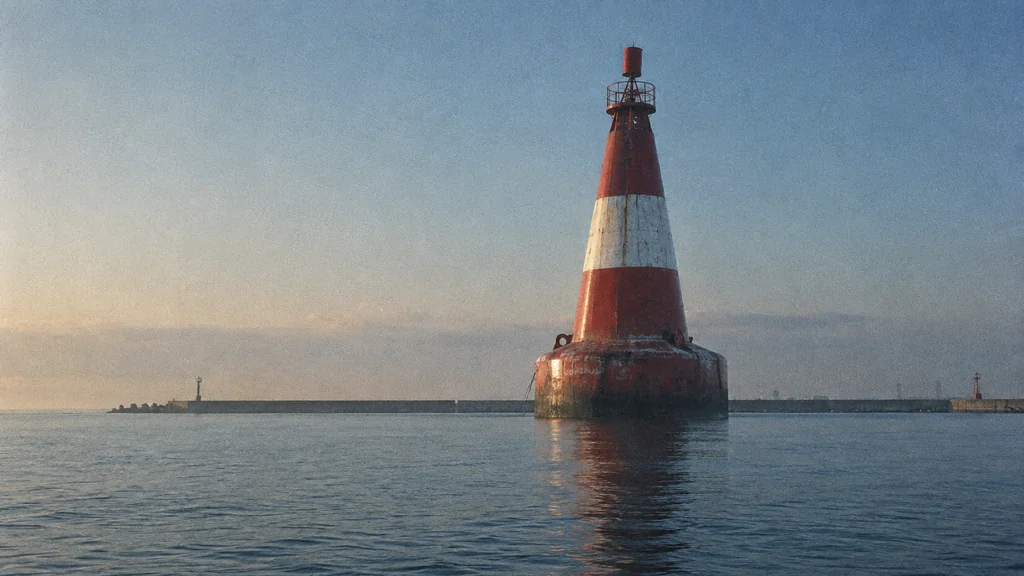
Russia warns of isolation while the alleged blockade remains unsubstantiated.
Image composition · tobriefRussia has warned NATO in writing that it could use all its weapons, nuclear ones included, if the alliance tries to cut off Kaliningrad, the Russian exclave wedged between Poland and Lithuania. NATO denies threatening the territory, and its secretary general says he sees no imminent attack on allied soil (Reuters). Moscow has published no evidence of the blockade it says it fears.
What the note says
The warning came in an informal diplomatic note that Reuters saw. According to that account, the note makes nuclear use conditional on an attempt to isolate the exclave and raises the prospect of Russian strikes on decision-making centres in allied states at the start of a conflict (The Moscow Times/Reuters). The quoted passages name no operation, no ships and no timetable.
The blockade claim came through a different channel. Russian embassies said they had information that NATO was preparing to cut Kaliningrad off by air and sea, but did not share it (AP/Daily News). Kremlin spokesman Dmitry Peskov said Russian policy documents provide for a response to any blockade attempt, and that diplomats were reminding European "hotheads" of this (TASS). That is Moscow's justification for the threat. It is not proof of a plan.
How NATO answered
NATO spokesperson Allison Hart confirmed that the alliance had received the letter and replied to it (AP/Daily News). Reuters reported that the reply called NATO a defensive alliance and said none of its exercises threatened Russian territory (The Moscow Times/Reuters). This is a denial from one side of the dispute. Still, no blockade decision appears in any of the public reporting.
Secretary General Mark Rutte went further on 30 September. He said there was no imminent threat to NATO territory, and that this assessment was the same as it had been three weeks, three months and a year earlier (Reuters). He declined to release the Russian text (NATO). The full exchange of letters therefore remains unpublished.
What, then, set off the letter? NATO's own suspicion points to an ordinary drill. Die Zeit, citing the German news agency DPA, reported on 29 September that the alliance believed the note was a response to an air exercise held in mid-August (Die Zeit/DPA).
Unnamed military sources told the agency that the exercise showed NATO could take control of Kaliningrad if Russia attacked allied territory. That is a wartime contingency, rehearsed in peacetime, of the kind deterrence planning routinely covers. Moscow could plausibly read the same drill as a rehearsal for the isolation its note describes.
Why one vague word matters
The note's trigger is "isolate," and Moscow has not said what counts. That vagueness is the practical problem. An exercise built around a wartime scenario, like the August drill, can be presented by Russian embassies as preparation for a blockade, which is roughly what they have now done.
The pressure falls hardest on Lithuania and Poland, the two allies that border the exclave. A conditional nuclear warning attached to an undefined trigger gives their governments a possible reason to weigh how visibly they train nearby. It remains an open possibility rather than an observed effect: nothing in the reporting shows that any ally has cancelled a drill or moved a unit since the letter arrived.
The record supports a narrow verdict. Russia made a conditional nuclear threat over a blockade it has not publicly substantiated, and NATO says it sees no imminent threat to its territory. Moscow holds the evidence that could change that assessment. Until its embassies release the information they claim to have, the blockade exists only in Russia's own statements.
Details about this article
- Model:
- claude-opus-5-5
- Generated:
- 10/1/2026, 2:50:40 AM
- Pipeline run:
- eu_pipeline_20261001_005008
- Watermark:
- SynthID (Google's invisible watermark)
- Human review:
- None before publication