Libya’s rivals back Turkey’s sea deal
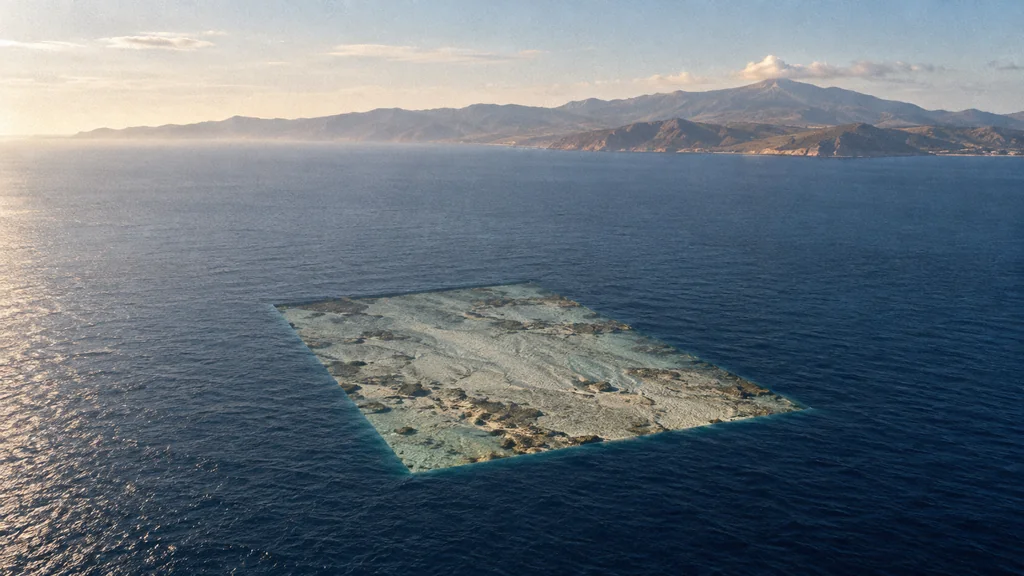
South of Crete, rival claims reach beyond the line Turkey and Libya signed.
Image composition · tobriefLibya's eastern parliament dropped its opposition to the 2019 Turkey–Libya maritime deal on 20 October. It repealed its own 2020 rejection in a vote it called unanimous, without publishing a tally (LANA). Tripoli's government, which signed the deal, welcomed the reversal (To Brief), so both rival Libyan authorities now stand behind Ankara's accord. Greece and Cyprus have protested at the United Nations. The real collision lies in competing claims to the seabed south of Crete.
What the Libyan vote changes
Libya is split between a government in Tripoli and a House of Representatives based in the east. The UN has recorded the memorandum as in force since 8 December 2019 (UN Treaty Collection). Until this week, though, one half of Libya's political class formally rejected it. That is no longer true.
The limit matters as much as the change. The vote gives the deal wider political cover inside Libya. It does not alter Greece's maritime rights, which no Libyan parliament can grant or remove.
Greece wrote to the UN on 22 October to protest the vote (ERT). Cyprus followed a day later. According to CNA, in an account matched by Politis, Nicosia argues that the memorandum cannot produce legal effects for states that never signed it. The letter reportedly also accuses Turkey of exploiting Libya's divisions.
These letters put objections on record, but they do not rule on anything. Registering a treaty with the UN publishes it without judging the disputes it creates (UN Charter). Treaty law holds that an agreement binds no outside state without its consent (Vienna Convention). A binding sea boundary needs either a deal between neighbours or a ruling from a court both accept.
A short line, a much wider claim
The line Turkey and Libya actually agreed is small. A 2020 European Parliament research briefing described it as a single segment southeast of Crete, about 18.6 nautical miles long (EPRS). The argument is about how much sea each side can claim around it.
Greece says Crete, a large inhabited island, is entitled to a full exclusive economic zone (the stretch of sea where a state alone may fish and exploit the seabed). Turkey disputes that islands automatically get full weight. It has some legal footing, because international courts drawing fair lines between coasts have sometimes given islands less weight than mainlands. No court has examined this case.
That difference shows up on the map. Greece put two offshore blocks south of Crete out to tender in 2025. Their published coordinates, set against those of the registered memorandum, place them west of the treaty segment without touching it (EUR-Lex, UN Treaty Series). The short treaty line, by itself, never reached Greece's acreage.
Libya's broader claim does. In a separate 2025 filing at the UN, Libya claimed a far wider seabed zone and said more than 85% of those blocks fall on its side (UN filing). Cyprus's stake is mostly principle, since the segment does not cross its own zone.
Who can act next
Foreign Minister Giorgos Gerapetritis has said Greece will prevent the memorandum from being applied (Greek Foreign Ministry). He stated an intention. Greece has not yet taken any recorded step to block the deal.
European support so far amounts to statements. The presidents of the European Council (where EU national leaders meet) and of the Commission voiced solidarity with Athens and Nicosia (Council). Berlin also rejected the deal, but its spokesperson called talk of sanctions excessive (German Foreign Office). EU sanctions need every member government to agree, so German reluctance is enough to stop them.
Cypriot Foreign Minister Constantinos Kombos says technical work on a Greece–Cyprus zone boundary is ready, though he gave no timetable (RIK). Such a line would strengthen the two countries' legal map further east. It would not prevent a Libyan licence south of Crete.
The eastern vote strengthens Ankara's position in Libya, where its deal now has the backing of both rival authorities. Neither that vote nor the UN letters decides who may drill or survey off Crete. That will turn on the first Libyan or Turkish permit, survey or patrol in waters Greece also claims, and on how Athens responds.
Details about this article
- Model:
- claude-opus-5-5
- Generated:
- 10/24/2026, 1:30:05 AM
- Pipeline run:
- eu_pipeline_20261024_005008
- Watermark:
- SynthID (Google's invisible watermark)
- Human review:
- None before publication