Mistral’s €3 billion bet lacks an address
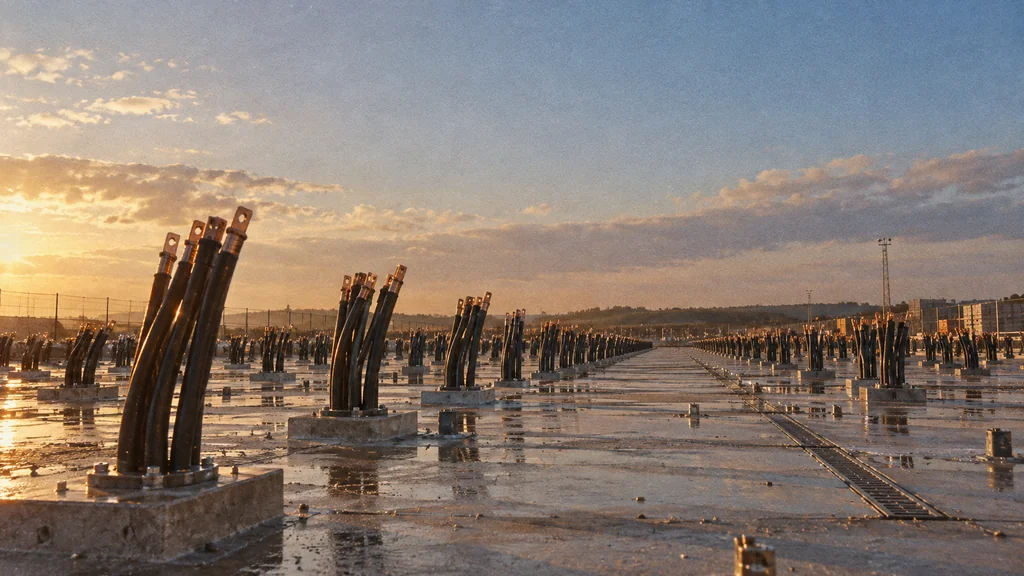
Europe plants the power demand before Mistral names the servers.
Image composition · tobriefMistral AI announced a €3 billion Series D, a late-stage funding round, at a valuation above €21 billion, the price investors place on the company (Mistral, CNBC). That gives Europe a credible chance to build more of its own AI infrastructure. Yet Mistral has not shown where the servers, jobs and revenue will land.
How much cash reaches the company also matters. The funding announcement does not divide purchases of new shares from secondary sales, where investors buy shares from existing owners. New shares finance Mistral; secondary sales pay founders, employees or early backers. Without that split, the fundraising headline overstates the amount certainly available for data centres and model development.
Investors are paying before the accounts arrive
Mistral’s valuation rose from €11.7 billion in September 2025 to above €21 billion, according to Le Monde. Investors are therefore accepting a much higher price before Mistral publishes audited sales, costs and losses.
Chief executive Arthur Mensch expects roughly €1 billion of revenue in 2026, meaning sales the company expects to record during the year, according to his interview. Mistral is separately heading towards more than $1 billion in annual recurring revenue, an estimate of repeatable yearly business from current contracts, Handelsblatt reported. The currencies and measures differ, so they cannot establish one clean picture of commercial performance.
Mistral says it supports more than 125 large companies across 20 countries, including Airbus, ASML and HSBC. Those names show that Mistral can enter large organisations. They do not reveal contract sizes, repeated usage or whether the work makes money.
Owned servers must earn their electricity bill
Mensch says Mistral plans to double its owned computing capacity over five years. Computing capacity means the servers and chips needed to train and operate AI models. Ownership can improve scheduling and control over data, but Mistral has not disclosed the starting capacity, making the planned doubling difficult to assess.
The company also wants to build data centres and rent spare capacity to other businesses. That changes the economics. Servers lose value quickly as better chips arrive, a cost called depreciation, while electricity and maintenance bills continue even when machines sit idle. Rental customers reduce that risk only if they buy enough capacity at sustainable prices.
Samsung led the round, while ASML and Nvidia invested again, according to the company’s announcement. Their involvement may strengthen Mistral’s industrial links, but it does not guarantee reserved chips or favourable prices. If the expansion relies on Nvidia hardware, US export rules will still influence what Europe can obtain.
Sales channels do not prove where value will land
Germany already offers routes to paying customers. Deutsche Telekom sells a Mistral-powered service, while the SAP partnership places its models inside systems used by regulated industries. Neither company has disclosed customer uptake, guaranteed purchases or Mistral’s share of the revenue.
Location will determine who bears the wider infrastructure costs. Ireland provides a relevant warning, though not a forecast for Mistral: data centres consumed 23% of its metered electricity in 2025. An Irish government-commissioned review says supporting grid investment can enter the fees paid by electricity users. Households and other businesses may therefore help finance upgrades even when the operator pays its own power bill.
Mistral and prospective host governments now owe investors and taxpayers three concrete answers: signed locations, customer commitments and who pays for supporting infrastructure. The financing makes European control over more AI servers plausible. Undisclosed sites and workloads leave the sovereignty claim unproven.
Details about this article
- Model:
- gpt-5.6-sol
- Generated:
- 9/9/2026, 9:41:06 AM
- Pipeline run:
- eu_pipeline_20260909_005005
- Watermark:
- SynthID (Google's invisible watermark)
- Human review:
- None before publication