NATO commander eyes two eastern Latvia sites
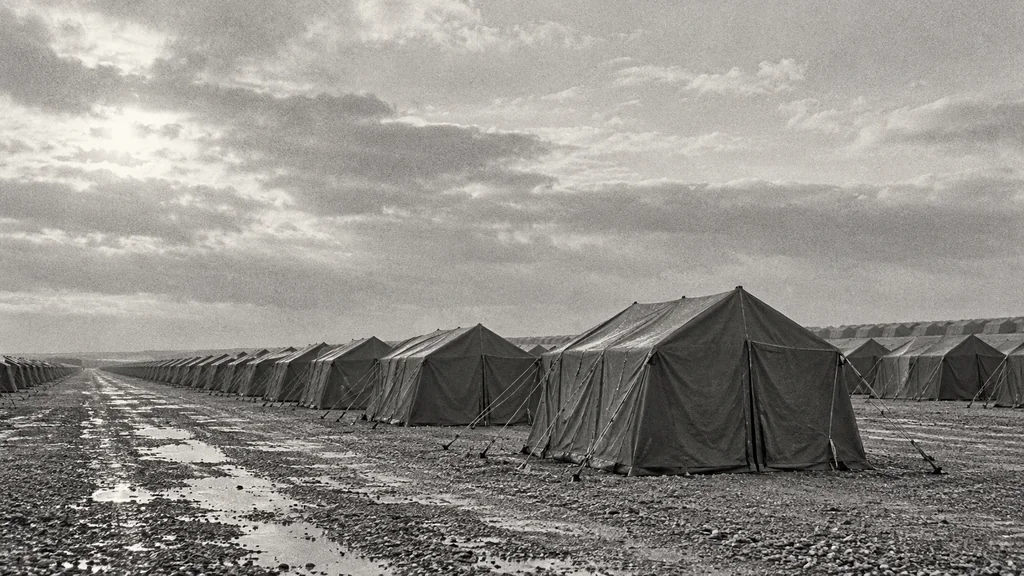
In eastern Latvia, temporary quarters multiply before permanent sites receive approval.
Image composition · tobriefAllied troops rotating through Daugavpils, in Latvia's far east, still sleep in tents. On 23 October their brigade commander said he expects at least two more eastern locations to open in about eight months (LSM). No public decision yet names those sites or authorises the buildings.
The forecast came from Colonel David Brassard, who commands NATO's multinational brigade in Latvia. He wants durable quarters so troops can stay in the east year-round instead of passing through. That is one officer's timetable, and no government has published a site, budget or capacity behind it.
A light presence, and an older plan
The Daugavpils presence is real but thin. Allied units use the base of the 34th Infantry Battalion of the Latvian National Guard (the country's volunteer reserve force). They rotate roughly monthly and sometimes number up to about 120 soldiers at once (LSM).
Brassard argues that living near the border lets allies learn the ground, including which roads and bridges can carry heavy vehicles. The local battalion commander, Eduards Kurpnieks, says the region's lakes and difficult terrain are the reason to rehearse movement there.
Where the new sites would go is a matter of inference. In June, deputy brigade commander Lieutenant Colonel Hesus Abad Sanchez named Rēzekne and Alūksne as areas for expanding beyond the brigade's main base at Ādaži (Sargs.lv). Brassard's October interview repeated neither name.
Latvia's government has spent money in those towns, but for its own forces. On 29 June the cabinet funded accommodation, storage and vehicle facilities at several eastern locations, including Rēzekne and Alūksne, through 2027 (Cabinet Order No. 368). That money serves the National Guard and Latvian conscripts. It does not pay for allied barracks.
Who has to say yes
Three separate approvals stand between the forecast and a finished site. NATO's regional defence plans set how many troops and which commands the eastern flank needs (NATO). Those plans give the alliance no Latvian land.
Latvia, as host, controls that part. It decides where foreign troops may live and grants land and construction permission. Such terms are normally set out in a host-nation agreement, the deal that fixes what a host country provides to visiting forces and on what conditions.
The soldiers are a third decision, made in other capitals. Canada leads the brigade, and governments such as Denmark and Italy decide whether to send troops and for how long. Denmark's choice shows how that works in practice: it landed more than 800 soldiers and hundreds of vehicles in Latvia in August (Danish armed forces).
For the two new sites, none of these approvals has been made public. That marks the limit of the published record. Planning may be under way privately, but nothing a resident or a contributing country's taxpayer can read commits anyone yet.
Why the next two weeks will mislead
Eastern Latvia is about to look busier than the forecast justifies. The Resolute Reforger exercise, running from 26 October to 8 November, will move about 3,000 personnel into areas including Daugavpils, Rēzekne and Alūksne (Latvian armed forces). It tests movement and supply from existing bases. Its participants are not a new garrison.
The story reaches beyond Latvia because the soldiers do. Year-round quarters farther east would ask Canada, Denmark, Italy and other contributors to keep forces closer to Russia for longer. Someone would also have to pay for the buildings, and the public record does not yet say who.
What the evidence supports is narrower than a NATO build-up on Russia's doorstep. Allies already rotate small units through the east and rehearse moving larger ones there, and one commander wants part of that presence under permanent roofs. Until Latvia's defence ministry identifies the locations and the contributing governments confirm the troops, Brassard's two new sites are a timetable, not a plan.
Details about this article
- Model:
- claude-opus-5-5
- Generated:
- 10/24/2026, 1:28:49 AM
- Pipeline run:
- eu_pipeline_20261024_005008
- Watermark:
- SynthID (Google's invisible watermark)
- Human review:
- None before publication