Romania’s F-16s hold fire as drone crashes
Romania tracked the crossing; the chance for a safe shot remains unknown.
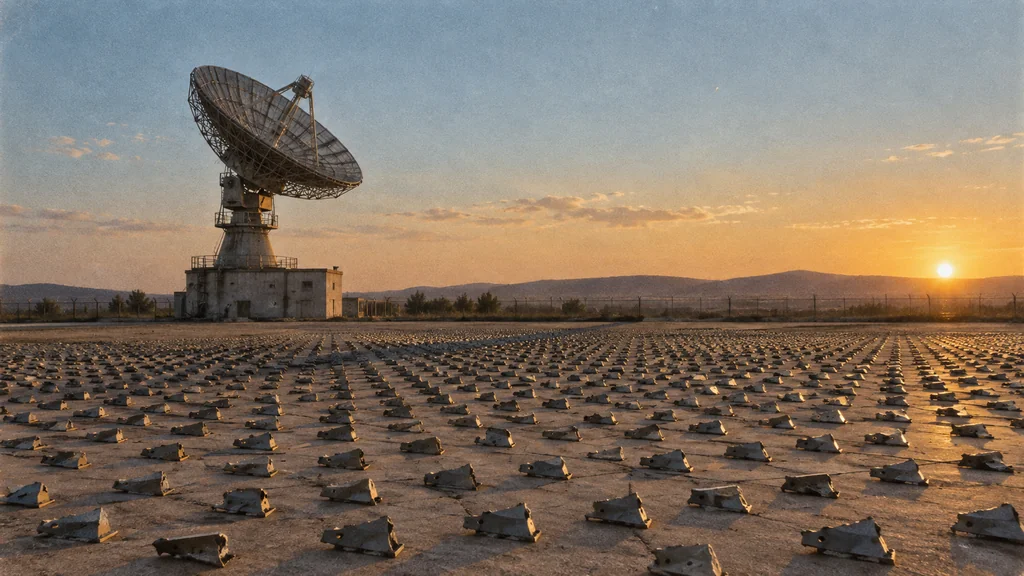
Image composition · tobriefA small drone spent about four minutes inside Romanian airspace on 24 September before crashing near Solca, in Suceava county (MApN update). Romanian radar had tracked it over Ukraine, and F-16s took off from Borcea to follow it (AGERPRES). None fired. Interim defence minister Radu Miruță says the drone carried explosives, so the question of whether the pilots ever had a safe shot matters for every NATO country on the eastern border (Adevărul).
Two alerts, one crossing
The night produced two separate alarms, and only the second involved a drone inside Romania. The first came at 04:41, when authorities sent an emergency phone alert about drones north of Chilia Veche, in Tulcea county. The defence ministry later reported that nothing entered Romanian airspace in that episode (AGERPRES). Spanish F-18s on NATO patrol responded to that alert, which is why they had no part in the later chase (RTVE).
The second drone approached northern Botoșani from Ukraine. Radar followed it across the border, and residents of Botoșani and Suceava received an alert at 06:26 (AGERPRES). It fell near Solca without causing casualties, damage or fire (MApN update).
Miruță told Antena 3 that the drone was a Russian model. He said its explosive charge separated just before the crash and detonated in the air about 30 metres from where the drone fell (Adevărul). No laboratory finding has been published, so the explosive claim remains the minister's provisional account.
Why the pilots held fire
Miruță gives two conditions for a shootdown. The shot must not endanger people on the ground, and the missile must not leave Romanian airspace (Adevărul). This is the strongest case for restraint. An explosive drone falling on a village is dangerous, and so is a missile that misses. A short crossing close to the border also leaves pilots little room to find a firing line that meets both conditions.
The responsibility for that judgment sits in Bucharest. NATO air policing, the alliance's system of fighters kept on standby to guard members' skies, shares the radar picture and helps coordinate the response. Romania alone decides whether its own fighters fire over Romanian territory (NATO). Romania has used that power before. In July its aircraft destroyed a drone over empty ground near Padina (Romania Insider). That shows Romania can take the shot. It does not show that a shot near Solca would have been safe.
The timeline the ministry has not published
Radar warning, take-off time and a safe chance to fire are three different things, and the ministry has only confirmed the first. It has not said when the F-16s launched or where they were when the drone crossed the border (MApN update). It has also not said who could have ordered the pilots to fire.
Poland has tried to cut part of that delay. On 17 September deputy defence minister Cezary Tomczyk said a commander had issued a conditional shootdown order in advance, so pilots did not have to request permission once a drone reached the border (RMF24). An advance order reduces the time spent seeking permission. It cannot give pilots a safe line of fire over populated ground if the drone never offers one.
On the evidence available, nobody outside the ministry can tell whether Romania's pilots had a safe shot and declined it, or never had one. The minister's safety conditions explain why they might have held fire. Only the ministry's own timeline can confirm it. Miruță's ministry owes three times: when the drone crossed, when it crashed, and where the F-16s were during those four minutes (MApN update).
Details about this article
- Model:
- claude-opus-5-5
- Generated:
- 9/25/2026, 1:44:28 AM
- Pipeline run:
- eu_pipeline_20260925_005006
- Watermark:
- SynthID (Google's invisible watermark)
- Human review:
- None before publication