Romania’s factory-fire suspects face extradition decisions
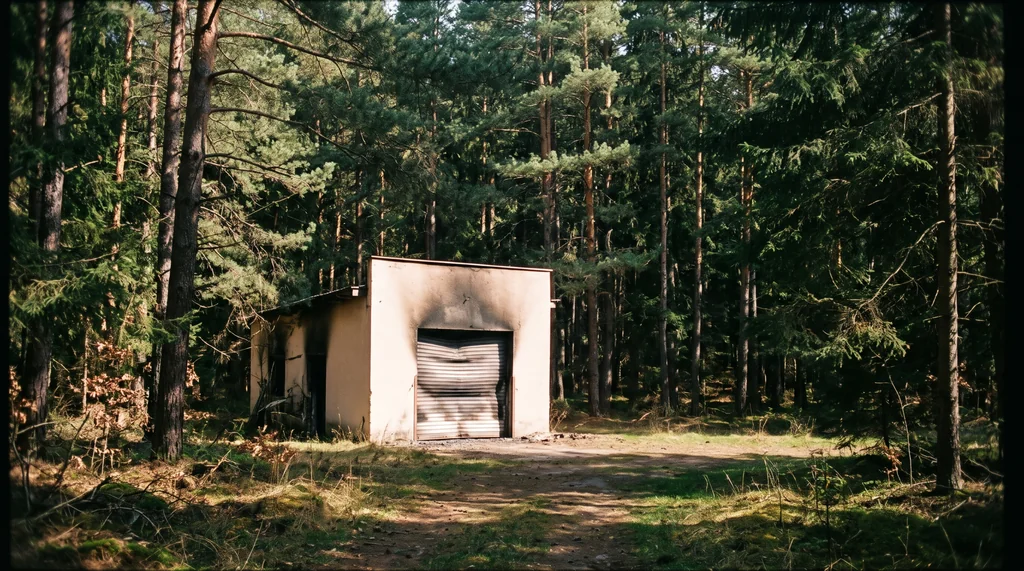
The fire near CARFIL leaves questions that cross three borders.
Image composition · tobriefRomania has identified three suspects in the 14 September fire beside the CARFIL arms factory in Brașov, and all three are held abroad, two in Germany and one in Poland (DIICOT). Its intelligence service blames a network coordinated from Russia (SRI). Nothing published so far shows whether anyone directed the men or that the factory itself was damaged, and German and Polish judges now decide whether the suspects reach Romania.
What burned, and who is accused
The fire burned neighbouring businesses, including a vehicle-service shop and a laundry, and injured no one (Radio România). No published account shows a CARFIL production line was hit.
Romania's organised-crime prosecutors, known as DIICOT, accuse two Belarusians and a Ukrainian. They describe the men's involvement only collectively, assigning no one a specific act and releasing no forensic evidence (DIICOT).
Germany is holding the Belarusians for its own investigation into a separate alleged arson plan near Nuremberg. Prosecutors there describe a suspected, paid plan, not an attack that took place (Deutschlandfunk). Both men have been in pre-trial detention since 7 October because of that case (BR24).
Polish counter-terrorism police arrested the Ukrainian in Warsaw on a Romanian European Arrest Warrant (CBŚP). That warrant is an EU request for one member state to arrest a suspect and hand him to another. RMF24 names him as Artem S. (RMF24). On 28 October a Warsaw court ordered seven days' custody, and he refused to go to Romania voluntarily (DGP).
What Romania has claimed, and what it has shown
The Russia attribution comes from SRI, Romania's domestic intelligence service. It said on 26 October that a network coordinated from Russia caused the fire and had been given further regional targets, including arms makers (SRI). The foreign ministry summoned Russia's ambassador the next day and treated responsibility as settled (AGERPRES), as we reported (To Brief).
The arrests do not settle who was behind the fire. A Romanian warrant asks another country to detain and surrender a suspect. It does not decide guilt. DIICOT says the Belarusians were caught while preparing similar acts (Reuters), but that is Romania's account of a German case, not a German finding.
SRI's statement names no Russian service, handler, intercepted instruction or payment record that outsiders could check. DIICOT's own statement does not mention Russia, and German prosecutors refer only to an unnamed foreign power (DIICOT, Deutschlandfunk). Der Spiegel, citing security sources, linked the German case to Russia (Reuters). That fits SRI's picture, but it comes from anonymous officials, not public evidence. The suspects' nationalities say nothing about who, if anyone, gave them orders.
On the public record, Romania can pursue named suspects across borders. Its claim that Moscow directed them remains an intelligence assessment that no court has tested.
Who decides what happens next
Bucharest can request the men but cannot order their return. Under the EU's arrest-warrant law, a court in the country holding each suspect rules on surrender, and that law also lets a country prosecute a suspect first or lend him temporarily (EUR-Lex). Germany is keeping the Belarusians for its own case, with Romania's request registered behind it (BR24). No German decision on handing them over has been reported. In Poland, a court rather than police or ministers will decide on Artem S.
Romania cannot put these men on trial just by asking for them. German and Polish judges control whether and when they travel to Bucharest. Only after that would a Romanian court weigh DIICOT's allegations, and only evidence presented there could turn SRI's Russia attribution into something more than an assessment.
Details about this article
- Model:
- claude-opus-5-5
- Generated:
- 10/29/2026, 7:24:06 AM
- Pipeline run:
- eu_pipeline_20261029_005007
- Watermark:
- SynthID (Google's invisible watermark)
- Human review:
- None before publication