Romania warns ships after four drone strikes
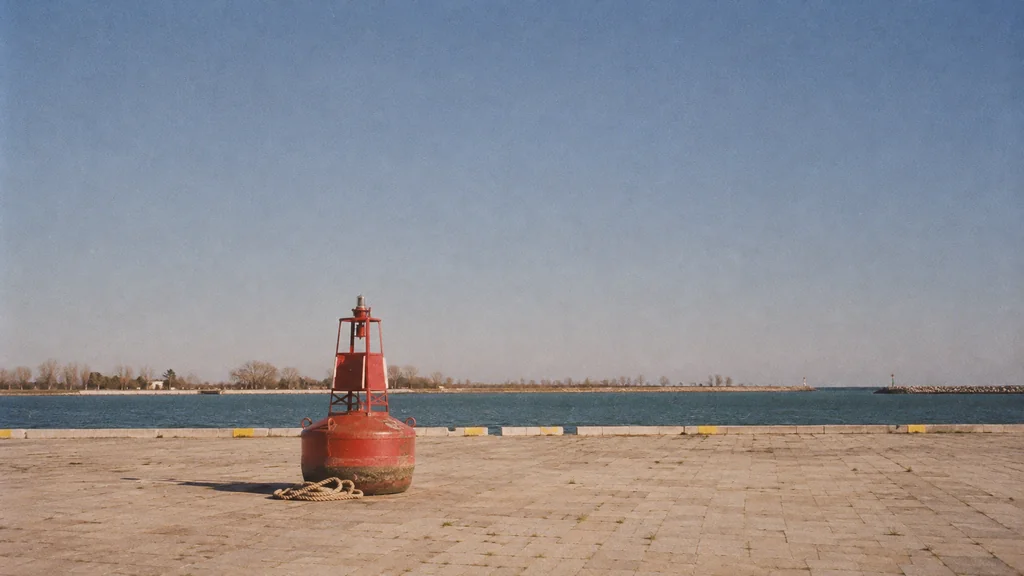
At Sulina, ships keep sailing through waters a warning cannot defend.
Image composition · tobriefDrones struck four ships near Sulina, the channel that links the Black Sea to the Danube, between 13 and 15 November (СЕГА). Romania's response so far is a warning to captains. Its defence minister is asking allies for equipment that could stop the next drone before it hits.
Two nights off Sulina
The first strike came on the evening of Friday 13 November. The cargo ship Larissa 1 reported a drone hit near Sfântu Gheorghe, which damaged a crane but injured no one (Radio România Constanța).
Saturday was worse. At about 21:10 on 14 November the tanker Evia Petrol V was hit four nautical miles off Sulina (Agerpres). The bulk carrier Marsol and the Ali Najafov reported hits near the Danube mouths later that evening, and according to the defence ministry's account all three crews put out fires and no one was hurt (RFI România).
At least three of the ships were inside Romania's territorial sea, the coastal strip where Romania, an EU and NATO member, holds sovereignty (CNN Greece). Counts have moved between three and four as reports were updated over the weekend, and our report of 16 November counted three (To Brief).
No attacker has been named. Romanian officials link the strikes to Russia's war on Ukraine, and the prime minister called them a violation of international law, but officials had not identified where the drones came from (Reuters).
Sulina matters well beyond Romania. It is the sea end of a Danube route that Ukraine has used as an alternative outlet for its farm exports since the war disrupted other paths, and 3,141 vessels passed through it in 2024 (Danube Commission). Every one of those ships now sails into the waters where these drones struck.
A warning, but no protection
Romania's main response is aimed at ship captains. Notice to mariners 172/2026 (an official navigation warning), in force from 15 November until replaced, marks a sector between Sulina and Sfântu Gheorghe as dangerous because of objects arriving from the north (Romanian Maritime Hydrographic Directorate). Defence Minister Ștefan-Radu Oprea called the notice preventive and said ships remain free to sail (HotNews).
That keeps the channel open and leaves the risk with the crews. A notice tells a captain where the danger lies. It provides no escort and no way of bringing down a drone, and no public figures yet show how many ships changed course.
Allied surveillance has the same limit. On 28 October a French Atlantique 2 patrol plane warned the crew of the container ship Contship Jet off Bulgaria that drones were inbound; the ship sank, but all 18 sailors were rescued (Mer et Marine, Bulgarian Navy). The warning saved the crew, though not the ship.
What Oprea is asking for
Oprea's own account shows the gap. Romanian F-16s flew their missions and the coast guard stayed in contact with crews, he said, yet Saturday's ships were hit anyway. He wants allied surveillance aircraft and counter-drone equipment (Știrile ProTV).
He is taking that case to EU defence ministers in Brussels on 17–18 November (Agerpres, Council of the EU). That meeting can hear him, but it cannot order planes or anti-drone systems to the Romanian coast. Those would have to come from allied governments, individually or through NATO, and no such commitment has been reported.
The EU's main Black Sea measure does a different job. On 10 November the Commission committed up to €50 million to a Romanian-Bulgarian maritime security hub, a civilian centre that pools ship-tracking data, with a target of having it running in 2027 (European Commission). It should help authorities see who is at sea. It is not built to stop a drone.
The record so far supports a clear conclusion. Romania's patrols and its warning to mariners did not prevent these strikes. Whether allies will supply the counter-drone equipment Oprea wants is still undecided, and that answer lies with the governments that own such equipment, not with this week's Brussels meeting.
Details about this article
- Model:
- claude-opus-5-5
- Generated:
- 11/17/2026, 1:54:35 AM
- Pipeline run:
- eu_pipeline_20261117_005009
- Watermark:
- SynthID (Google's invisible watermark)
- Human review:
- None before publication