Slovalco restarts on Slovakia’s open-ended power support
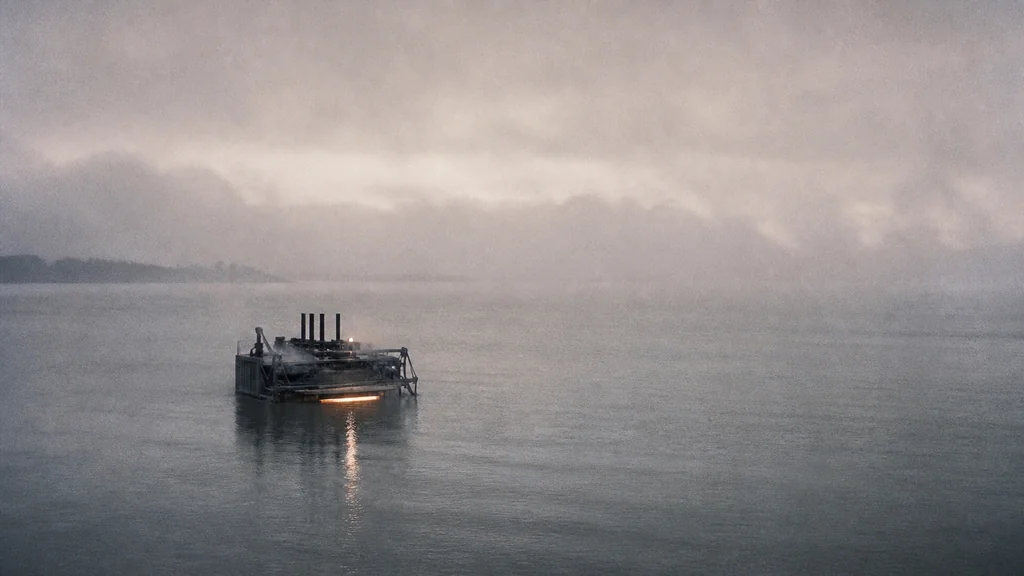
Europe’s aluminium returns where public power keeps flowing.
Image composition · tobriefThe first electrolysis pots at Slovalco's aluminium plant in Žiar nad Hronom switched back on this week, three years after soaring electricity prices shut primary production down. The restart matters beyond Slovakia because it reveals the deal European governments now have to cut to keep energy-hungry industry alive: cheap power, carbon-cost relief, and no end date on either.
75,000 Tonnes, Not 175,000
Slovalco is bringing back 75,000 tonnes of annual output from a total capacity of roughly 175,000 tonnes, with an investment of at least €100 million. The remaining 100,000 tonnes depend on power contracts that don't exist yet and conditions beyond 2030.
Prime Minister Robert Fico framed the event as restoring up to 17% of European primary aluminium production. That figure uses Slovalco's full capacity, not the 75,000 tonnes actually committed, and measures it against EU-only primary output, which has collapsed to roughly 950,000 tonnes a year as smelters shut across the continent. Broader European output ran at about 3.6 million tonnes in the first half of 2026. By either denominator, the initial restart is far smaller than the political headline.
Cheap Power Is Becoming Industrial Policy
Making primary aluminium — new metal from ore through electrolysis, rather than recycling scrap — devours electricity. A tonne requires roughly 14 megawatt-hours, and power typically runs to 30–40% of production cost. That is why smelters are the first to shut when prices spike and the last to come back without help.
The help Slovalco got has two parts. First, a long-term supply deal with Vodohospodárska výstavba, the state-owned hydropower company, providing roughly 100 MW of steady, round-the-clock electricity. Smelters can't cheaply switch on and off, so they need baseload power priced well below market. The actual price is not public; the state utility classified contract volumes and pricing as trade secrets.
Second, Bratislava redesigned how it reimburses smelters for carbon-related electricity costs. Power generators pass the cost of EU carbon permits (the ETS, or Emissions Trading System) into wholesale prices, making electricity more expensive for big users even when they themselves produce no extra emissions. The European Commission approved Slovakia's revamped scheme in July, nearly tripling the programme budget from €250 million to €710 million and raising the share of eligible costs the state can cover from 75% to 80%. On top of that, Slovalco received relief from the nuclear-fund levy and other charges (Teraz). Slovak media put the annual cost of industrial relief from the Environment Fund at about €75 million.
Slovakia is not alone. The Commission cleared similar carbon-cost schemes for Czechia, France, the Netherlands, Austria and Spain in the same period (Brussels Times). Spain's Alcoa San Cibraó restarted all 512 pots by April 2026, saving over 1,000 jobs, but its long-term viability still hangs on unbuilt wind farms and €72 million in expected CO₂ compensation. Germany's federal economics ministry argues that cheaper industrial power keeps suppliers, factories and skilled work in the country. Critics counter that existing relief barely moves the needle: ARD reported one scheme would cut an example industrial power price from 18 to 17.6 cents per kilowatt-hour.
Who Pays, Who Gains
The gains are concentrated. Slovalco's majority owner, Norwegian aluminium group Hydro (55.3%), and co-owner Penta Investments get a producing asset back. Over 200 workers in Žiar nad Hronom keep jobs. Downstream manufacturers get a European source of primary metal instead of relying on imports that cover 70–80% of EU demand.
The costs are spread across taxpayers and climate budgets. Carbon-cost compensation redirects ETS auction revenue that could fund green programmes or reduce deficits. The state utility locks in power at undisclosed terms, forgoing whatever it could earn selling that electricity on the open market. And the support is not a one-off investment; it is designed to continue year after year. Slovalco shows that restart is possible when the state keeps underwriting electricity costs. Even the owners accept this: they won't commit to the second half of the plant without another round of guarantees.
Details about this article
- Model:
- claude-opus-4-6
- Generated:
- 8/29/2026, 1:45:52 AM
- Pipeline run:
- eu_pipeline_20260829_005007
- Watermark:
- SynthID (Google's invisible watermark)
- Human review:
- None before publication