Spain clears €11.86bn, with delivery dates missing
Spain has approved billions for air defence, with no service date in sight.
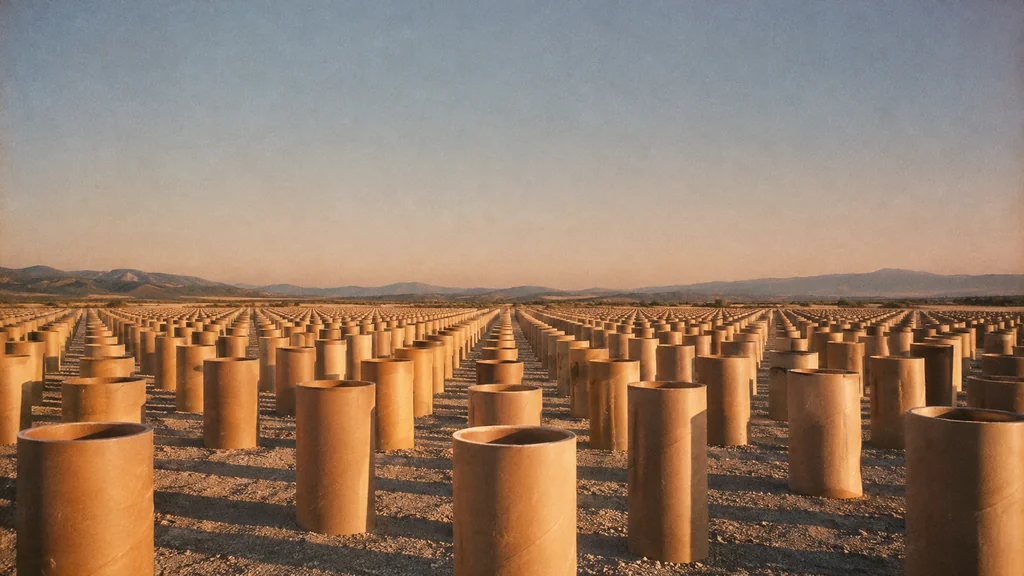
Image composition · tobriefSpain's cabinet authorised 13 defence contracts worth an estimated €11.86 billion on 10 November (La Moncloa, EFE). The largest purchase is a mobile air-defence system, but the official record names no model, no supplier and no date when troops could use it. The approval lets the defence ministry sign contracts. It does not show that anything has been ordered, built or delivered.
What the cabinet cleared
The biggest line, €3.397 billion paid in ten yearly instalments, would buy mobile systems to protect troops sent on operations from aircraft and missiles (La Moncloa). Expansión reported the same day that the main contractors had not yet been chosen (Expansión).
Two other new purchases stand out. The cabinet put €1.45 billion into defence against drones, at home and on missions abroad, and €792 million into developing and buying a missile for Spain's new S-80 submarines (La Moncloa). Neither line names the system Spain will get.
Upkeep claims a substantial share of the rest, alongside upgrades to amphibious ships, minehunters and firefighting aircraft. More than €2.37 billion goes to maintaining the S-80 fleet and €996 million to supporting Spain's NH90 military helicopters (La Moncloa). That money keeps equipment already in service working, which matters in its own right.
How long until troops can use it
Cabinet approval starts a chain. The ministry still has to sign contracts, a manufacturer has to build, and the armed forces have to test and accept what arrives. Only then do soldiers have equipment they can use.
The record gives a delivery period for just one item. A new intelligence-gathering ship from state shipbuilder Navantia is due 74 months after the ministry tells the yard to start building, and that instruction must wait for an earlier design phase (La Moncloa). No service date appears for the air defences, the drone shield, the submarine missile or the helicopter work.
Spain's recent experience shows how wide that gap can be. The cabinet ordered 14 ARACNE counter-drone systems in June 2024 (La Moncloa). By October 2026 the army had received its first units and tested their jamming, but trials to physically bring down drones were still pending (Defensa y Seguridad).
Why delivery matters beyond Spain
Spanish equipment already helps guard NATO's eastern members. Latvia's armed forces said on 28 September that a Spanish NASAMS air-defence system was stationed at Lielvārde air base (Latvian armed forces). Spain's defence staff reported NH90 helicopters operating in Romania under NATO in early November (Spanish defence staff).
The new air-defence money mentions neither NASAMS nor Latvia, so this authorisation does not itself add a deployed system on the eastern flank. That would take a chosen supplier, a finished system and a separate decision to send it. The helicopter support line could help keep NH90s like those in Romania flying, though the record ties it to no particular mission.
The package also lands in an older argument over Spain's defence effort. In March, NATO Secretary General Mark Rutte said Spain would need about 3.5% of GDP to meet its core commitments (NATO), while Madrid had argued in 2025 that around 2.1% would let it deliver what allies asked (La Moncloa). Those commitments are ultimately judged in forces ready for use, so the missing dates matter more than the headline sum.
Spain's defence ministry has yet to say who wins each contract, at what signed price, and when each system enters service. The maintenance money can keep submarines and helicopters already serving, some of them alongside allies, in working order. For the new air and drone defences, the public record so far documents no signed contract, no named supplier and no service date.
Details about this article
- Model:
- claude-opus-5-5
- Generated:
- 11/11/2026, 2:08:43 AM
- Pipeline run:
- eu_pipeline_20261111_005008
- Watermark:
- SynthID (Google's invisible watermark)
- Human review:
- None before publication