Spain’s housing protections face a one-vote test
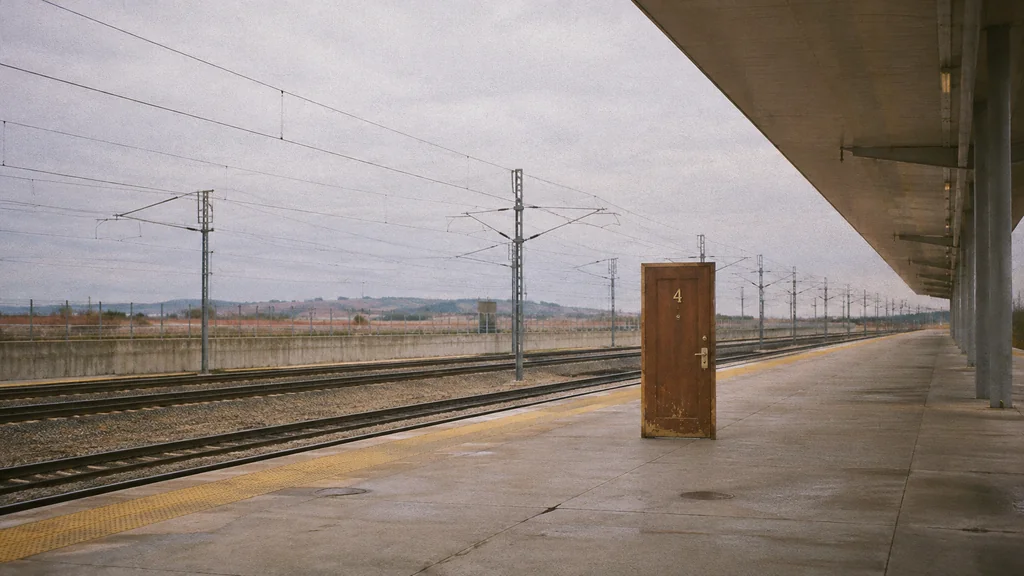
Spain’s tenants stop trains; their limited protections face a single-vote test.
Image composition · tobriefSpain's two largest unions staged their first general strike since 2012 on 11 November. The stoppage cancelled 24% of high-speed and long-distance trains (AP, Renfe). Today a small parliamentary committee decides whether the government's modest emergency rent protections survive (Idealista). An October count put the main measure ahead by a single vote, with a Basque party holding the balance (RTVE).
Tenants started it, unions carried it
The push came from renters. In October the Tenants' Union was still lobbying for a strike after a Madrid march that officials counted at 70,000 (To Brief). On 19 October, UGT registered the strike call together with CCOO, the other large union, plus smaller unions and the national tenants' confederation (UGT). The movement's programme demands a 50% rent cut and one million public rental homes (Huelga por la Vivienda).
The anger is sharpest among people signing new leases. Rents on new contracts rose 8.8% in 2024, against 2.8% for existing ones (INE). Construction is not keeping pace: the Bank of Spain counted 240,000 net new households in 2025 but only 92,000 completed homes (Banco de España).
How big the day was depends on who counts. Madrid's government delegation counted 120,000 marchers, while the Tenants' Union claimed 400,000 (EFE). The union also estimated that about four million people stopped work, a figure Reuters attributed to the union while describing participation as uneven (Reuters). The employers' federations CEOE and Cepyme put average participation below 5% (CEOE).
Walkouts and disruption measure different things. Renfe reported that 6.83% of the staff it measured stopped work, on the same day it cancelled almost a quarter of long-distance services (Renfe).
Abroad, much of the coverage ran on union figures. Italy's Il Sole 24 Ore turned the four-million stoppage estimate into four million people "in the streets" (Il Sole 24 Ore). Germany's public broadcaster Tagesschau relayed union claims that car plants had shut down (Tagesschau).
One party decides what survives
The government is offering far less than the marchers want. Pedro Sánchez's main emergency decree, in force provisionally since 8 October, lets tenants extend leases by up to two years and caps some rent updates at 2% (La Moncloa). Nothing in it comes close to halving rents.
Even that offer is fragile. The government reissued its housing decrees in revised form after Congress rejected an earlier version in October (BOE). Emergency decrees take effect immediately but lapse unless parliament ratifies them. With the chambers dissolved, that power sits with the Diputación Permanente, a 69-member standing committee that keeps some of parliament's powers until a new one is elected (Idealista).
The committee is split so evenly that the Basque Nationalist Party (PNV) decides both outcomes. An RTVE count from 6 October found the PNV backing the main decree, projected to pass 35–34. The same count found it opposing a second decree that goes further on lease renewals, projected to fail 34–35 (RTVE). That projection is a month old, and today's vote will show whether it held.
Survival today would not settle the matter. Opposition leader Alberto Feijóo has promised to repeal the decrees if he wins the 29 November election (Europa Press, BOE).
The strike showed that Spain's tenant movement can borrow union machinery and stop trains across the country. It secured neither of its headline demands, the rent cut or the million public homes. The limited protections now in force depend first on the PNV's votes in a small committee. After that, they depend on an election whose leading challenger has pledged to scrap them.
Details about this article
- Model:
- claude-opus-5-5
- Generated:
- 11/12/2026, 2:00:02 AM
- Pipeline run:
- eu_pipeline_20261112_005010
- Watermark:
- SynthID (Google's invisible watermark)
- Human review:
- None before publication