Sweden expels three Russian intelligence operatives
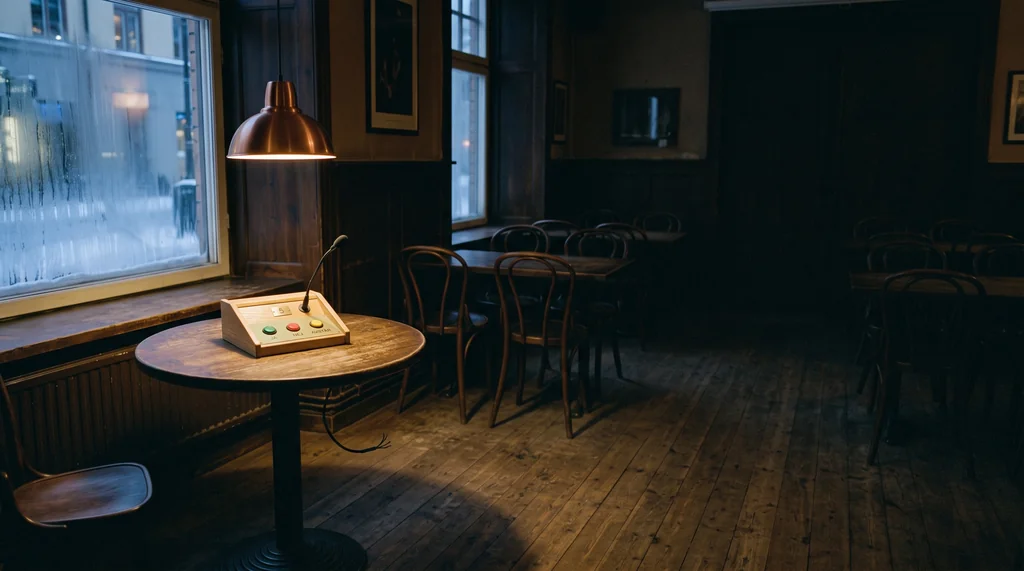
Russia reached the room where Swedish decisions begin.
Image composition · tobriefThree diplomats left Sweden quietly over recent days. The government forced them out after Säpo, the country's security service, documented what it calls a Russian intelligence operation aimed at Swedish political decision-making (Säpo, SVT). Two were officers of the SVR, Russia's foreign intelligence service. The third was a recruited agent working from a non-European country's embassy in Stockholm. None will face prosecution. All held diplomatic immunity.
Sweden says it caught the information-gathering stage of an operation designed to prepare future influence campaigns. The public evidence supports that claim: meetings documented, tasking understood, collectors removed. What no one has shown is that the gathered intelligence was ever used to change a Swedish decision, plant a story, or shift a vote.
What Säpo Documented
Säpo's deputy head of operations, Christoffer Wedelin, said the service had monitored meetings between the recruited agent and the two SVR handlers in the Stockholm area, knew the topics discussed, and understood the tasks assigned (Säpo). SVT broadcast surveillance images of the encounters (SVT). Dagens Nyheter identified the agent as a diplomat from a non-European embassy, a cutout that made the chain harder for Swedish targets to recognise as Russian-directed (DN).
The purpose, according to Säpo, was to learn how Swedish decisions are made so that future operations could exploit "polarising issues" and discredit Sweden, NATO, and the EU (Säpo). That language describes preparation, not execution. Justice Minister Gunnar Strömmer said the operation had not achieved its aims and was unconnected to Sweden's September election (TV4). Prime Minister Ulf Kristersson said it had been "close to politics" but would not name which offices were targeted (DN).
Säpo has not said whether the targets were ministers, civil servants, MPs, or party staff. Foreign Minister Maria Malmer Stenergard confirmed the three were forced to leave because of their activities in Sweden. No indictment or court filing has been published. Diplomatic immunity moved the response from criminal justice to quiet expulsion.
Why NATO and the EU Care
A government's internal red lines are intelligence gold. They tell Moscow where Sweden might bend inside NATO or EU negotiations. Since joining the alliance, any intelligence about how Stockholm forms positions on Ukraine, sanctions, or defence commitments gives Russia a tool to anticipate, pressure, or divide. Säpo made this link explicit by naming both institutions as intended targets for discrediting.
Brussels is useful to intelligence services because the city concentrates diplomats, lobbyists, alliance staff, and national representatives in one place. One posting can watch several decision channels at once. EUobserver reported in July that Belgium's capital hosts 187 embassies, 94 permanent representations, and 131 international organisations, and that 68 Russian diplomats have been expelled from Belgium on espionage grounds since 2022 (EUobserver).
The Swedish case is not isolated. Finland's security service Supo and military intelligence warned in July that Russia's FSB was running cyber-espionage through compromised network devices, prompting Foreign Minister Elina Valtonen to summon the Russian ambassador (Supo, MTV Uutiset). The European Council (where EU heads of state set the bloc's direction) denounced what it called Russia's "malicious cyber ecosystem," identifying FSB units targeting member states across the continent (AP).
The Missing Evidence Is the Point
The Swedish case stops at the line between spying and interference. Säpo proved it can map an operation, identify the players, and remove them. What it has not shown is that the intelligence collected was ever deployed: no planted narrative, no manipulated decision, no compromised vote. Säpo has not named the third country, the Swedish targets, or the specific material sought.
Russian intelligence services collect first and influence later. Sweden caught the collection. Säpo still owes the public a narrower answer: which part of Swedish politics was exposed, and how far the operation got before Sweden shut it down.
Details about this article
- Model:
- claude-opus-4-6
- Generated:
- 8/12/2026, 1:57:08 AM
- Pipeline run:
- eu_pipeline_20260812_005006
- Watermark:
- SynthID (Google's invisible watermark)
- Human review:
- None before publication