Three ECB vacancies lift Spain’s candidate
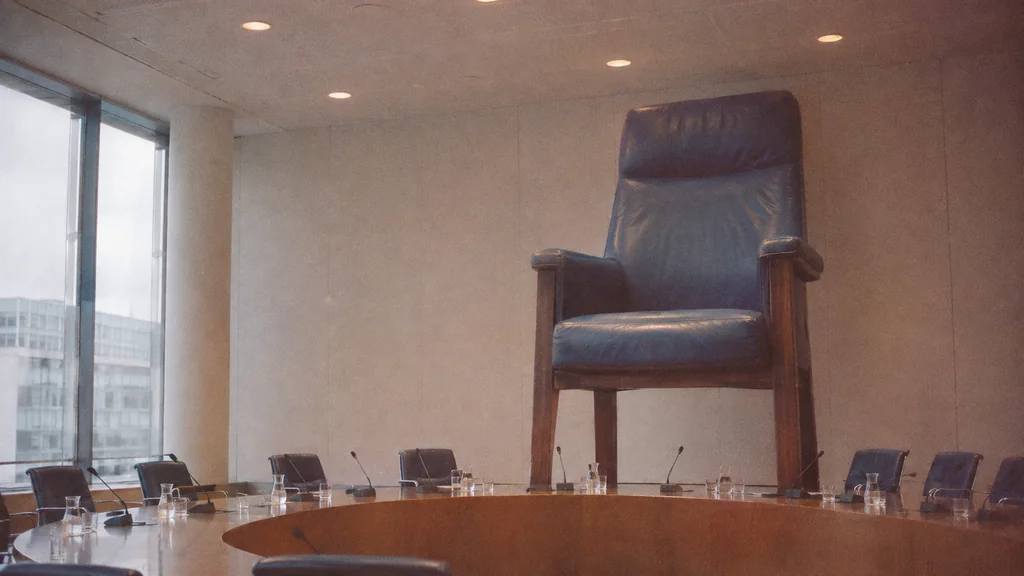
Three ECB posts are opening, and the presidency remains undecided.
Image composition · tobriefChristine Lagarde will step down as president of the European Central Bank on 7 February 2027, about nine months before her term ends, a departure announced on 29 October (ECB, Council). Euro-area finance ministers discussed two candidates on 9 November, picked neither, and set themselves the goal of deciding before the end of 2026 (DH/AFP). A reported deal between Paris and Berlin favours the Spanish candidate, but no government has formally recommended anyone.
Two names, three empty chairs
The Dutch government told its parliament on 4 November that it would nominate Klaas Knot, who ran the Dutch central bank from 2011 to 2025 (Dutch government). Spain's economy minister, Carlos Cuerpo, put forward Pablo Hernández de Cos. He is a former Bank of Spain governor who now runs the Bank for International Settlements, the institution that acts as a bank for central banks (Demócrata).
The presidency is only one of the vacancies. Isabel Schnabel leaves the ECB's six-member Executive Board, which runs the bank day to day, for the International Monetary Fund on 3 January. Chief economist Philip Lane's term ends on 31 May 2027 (ECB).
Three seats opening within five months turn three appointments into one negotiation over which countries get which jobs. EU officials told ANSA that countries have until 18 November to propose names for the other two seats (ANSA). The Dutch letter named the leaders' summits in late November and mid-December as possible decision points (Dutch government).
How the package tilts the race
France has been reported as planning to back Hernández de Cos (Le Monde). Spanish reporting describes the trade behind that support. Germany would take Lane's chief economist post and France another board seat (EL PAÍS). Those jobs matter because they give the euro area's two largest economies a reason to rally behind the Spanish candidate. Our earlier report followed how Paris and Berlin closed in on that package (To Brief).
Berlin has not signed off. On 13 November Chancellor Friedrich Merz said agreements were in sight but not yet final (German government). He also said he still had to agree a German proposal with his Social Democrat coalition partners.
Even a firm Franco-German deal would not settle the race alone. Under the EU treaty, euro-area governments recommend a president, and euro-area leaders appoint that person to a single eight-year term after consulting the European Parliament (EUR-Lex). The recommendation needs wide backing: at least 16 of the 21 euro-area countries, together holding at least 65% of the population (Council). Paris and Berlin need most of the euro area with them, not just each other.
What a new president can and cannot change
The president chairs the Governing Council, where the six board members sit with the heads of the national central banks. That council decides interest rates together, mostly by consensus (ECB). The chair still matters. The president sets out the options, steers the debate toward a decision and explains it to the public and markets afterward. But one vote cannot move rates, so a candidate's past speeches say little about how the council will vote next.
Borrowing costs do not have to wait for a vote. Banks and bond investors price loans partly on where they expect ECB rates to go. If markets come to believe the next president will push the council toward cheaper or dearer money, market rates can shift before the council acts. Who notices depends on the loan. A variable-rate mortgage follows those moves quickly; a fixed-rate one feels them only when it is renewed or refinanced.
The reported package favours Hernández de Cos (Le Monde, EL PAÍS). Euro-area governments have made no recommendation, and they have given themselves until the end of 2026 to do so (DH/AFP). Until they vote, Knot remains a real candidate, and the Spaniard remains a favourite rather than a president-designate.
Details about this article
- Model:
- claude-opus-5-5
- Generated:
- 11/16/2026, 1:49:34 AM
- Pipeline run:
- eu_pipeline_20261116_005008
- Watermark:
- SynthID (Google's invisible watermark)
- Human review:
- None before publication