Ukraine’s 500 Patriot missiles face a queue
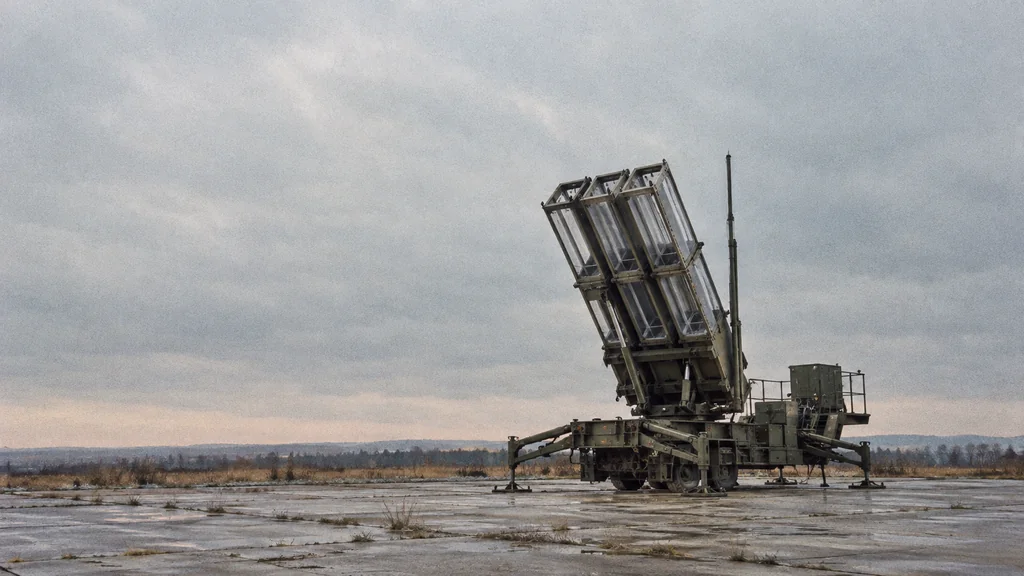
Approval in Washington leaves Ukraine waiting for missiles it needs now.
Image composition · tobriefThe United States on 30 October approved a possible sale of 500 PAC-3 MSE Patriot interceptors to Ukraine, worth an estimated $2.1 billion (US State Department, Inside Defense). According to the notice, Canada, Germany, Norway and EU-backed Ukrainian funds will pay, and no American money is involved. The approval permits a purchase but ships nothing, and it lands as President Volodymyr Zelenskyy warns that Patriot missiles are in "such short supply" (President of Ukraine).
The missiles are ammunition for Patriot batteries Ukraine already operates, not new batteries. PAC-3 MSE is the variant built to destroy ballistic missiles by hitting them directly, and Ukraine has few other defences against that threat.
The notice covers spare parts and support but sets no delivery schedule. The BBC reported an understanding that the missiles would be newly built rather than taken from existing stocks, which would push arrival further out (BBC).
Europe pays, Washington decides
The three donor governments send their money through JUMPSTART, a US mechanism that lets allies pay for American arms sales to Ukraine. Once the money arrives, the purchase runs inside the US government's own arms-sale system. The donors fund it, but Washington sets the terms and the pace.
Ukraine's own share is described only as EU-backed. The likeliest source is the EU's €90 billion Ukraine Support Loan for 2026–27, which favours European-made weapons but allows purchases elsewhere when Europe cannot supply the capability (European Commission). A US interceptor for US-built launchers would fit that exception. Neither Brussels nor Kyiv has confirmed that this bill draws on the loan, and no one has published how the cost splits.
Two separate brakes govern delivery. Washington decides whether the sale proceeds and on what terms, and only Washington could choose to divert missiles from existing US stocks. Lockheed Martin's factory sets the other limit, because it determines how quickly new missiles can exist at all.
The political process comes first. Congress now has 30 calendar days to review the sale and can try to block it through legislation (Congressional Research Service). After that, Washington can issue the formal offer letter with binding terms, which Ukraine must accept and fund. Reuters noted that such sales usually take years, even when accelerated (Reuters).
Then comes the factory. Lockheed Martin describes its current capacity as roughly 600 PAC-3 MSE interceptors a year (Lockheed Martin). US forces and other customers draw on that same output, so a new Ukrainian order joins a queue rather than jumping it. The company's target of about 2,000 a year comes only by the end of 2030 (Lockheed Martin).
The shortage the sale does not touch
Zelenskyy's warning came with a fresh example. He said Russia had fired 17 ballistic missiles overnight, hitting energy infrastructure and Dnipro's railway station (President of Ukraine). During a strike earlier in October, Ukraine's military reported intercepting four of 39 ballistic missiles (Ukrinform). Kyiv's interceptor shortage has run through the month (To Brief).
NATO's top commander, General Alexus Grynkewich, said in Riga that Patriot deliveries were continuing and that European-funded items had not been delayed (Financial Times). He gave no quantities or missile types. His reassurance therefore leaves Zelenskyy's warning about how many interceptors Ukraine holds today unanswered.
Europe's own stockpiles offer little cushion. In February, the Dutch Defence Ministry told parliament that sending more missiles from its stock would endanger national air defence (Dutch Defence Ministry).
On the evidence available, the approval offers no demonstrated relief for Ukraine's current shortage. Europe can finance these interceptors, but it cannot determine when Ukraine receives them. One Pentagon decision could change that assessment, namely whether any of the 500 come from existing US stocks instead of new production. Until Washington says so, no one can name the date the first missile reaches a Ukrainian battery.
Details about this article
- Model:
- claude-opus-5-5
- Generated:
- 10/31/2026, 1:33:42 AM
- Pipeline run:
- eu_pipeline_20261031_005007
- Watermark:
- SynthID (Google's invisible watermark)
- Human review:
- None before publication