Ukraine’s Patriot promise leaves winter exposed
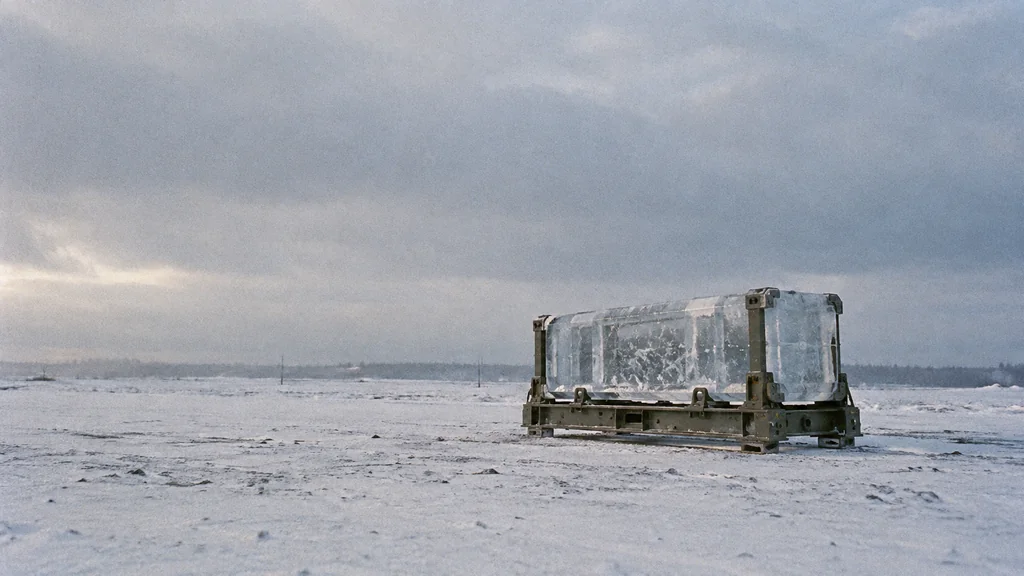
Ukraine’s winter defence rests on interceptors its allies can spare.
Image composition · tobriefVolodymyr Zelensky said on 25 September that Donald Trump told him at their New York meeting three days earlier he had made a "final decision" and Ukraine "will receive licenses to produce Patriot missiles" (Kyiv Independent). Washington has not confirmed it. Even if it does, Ukrainian-made interceptors are years away, so this winter's air defence depends on missiles that already exist and on allies willing to hand them over.
A yes Washington has not signed
Zelensky's office calls the outcome a political agreement and names no missile type, factory or start date (Ukraine's presidency). The American record is thinner still. According to Berliner Zeitung, State Department spokesperson Ian Bateson said on 23 September that no final decision had been made, and US confirmation was still missing two days later (Berliner Zeitung).
Both accounts can be true at once. Trump may have given his political assent in private, while the State Department, which grants the legal permission, has not yet acted. Washington has hedged before: Trump backed away from licensing in July, and Secretary of State Marco Rubio said on 2 September that talks continued and that ramping up production would take years (Militarnyi, RFE/RL).
Three locks before a factory
A presidential yes opens only the first lock. Under US arms-export rules, an American company needs prior written approval from the State Department before signing an agreement to manufacture defence items abroad (eCFR). That approval defines the partner, the work and the technical data, but it supplies no machinery or money. The manufacturer must then agree to build with a Ukrainian partner, and the new plant must prove its missiles meet the standard.
The unnamed missile type matters because it decides which company Ukraine negotiates with and what the missiles can stop. United24Media, a Ukrainian specialist outlet, judged Raytheon's older PAC-2 GEM-T a likelier candidate than the newer interceptor Ukraine most lacks against ballistic missiles, and estimated a line might open in late 2027 or early 2028 (United24Media). Zelensky himself has spoken of one to one and a half years to set up production once approvals arrive (Rzeczpospolita).
Germany's experience shows the lead time, although under a different arrangement: a supply contract, not a Ukrainian licence. RTX announced on 14 April a German-funded $3.7 billion contract to supply GEM-T interceptors to Ukraine, built partly at a new plant in Schrobenhausen (RTX). The first missiles from that line are projected for 2028 (Hartpunkt). The money, the contract and the site all exist there, and the wait is still measured in years.
Who decides this winter
Zelensky's own actions put existing missiles first. On 24 September he announced a deal for another batch of already manufactured Patriots, and he has repeatedly said that US monthly allocations are too small (Kyiv Independent).
The European decisions sit in Warsaw and Bucharest. Poland's deputy defence minister Stanisław Wziątek confirmed an aid package of about €50 million that includes Patriot munitions, without a missile count or delivery date (Defence24). Romania's president Nicușor Dan pledged on 18 September a proportional share of a joint effort by NATO states that hold Patriot interceptors, also without figures (Ziare.com).
Both governments face the same trade-off. Any interceptor they send to Ukraine comes out of stocks that defend their own territory on NATO's eastern flank. Neither has said how many it will release, so the cost to their own defences cannot yet be measured. Germany is in a different position, paying for missiles that will arrive long after this winter ends.
Pending US confirmation, Zelensky has reported a political agreement that could eventually give Ukraine its own Patriot production. His country's defence this winter still depends on existing missiles, and on how many of them Poland, Romania and the other holders decide they can spare.
Details about this article
- Model:
- claude-opus-5-5
- Generated:
- 9/26/2026, 8:36:07 AM
- Pipeline run:
- eu_pipeline_20260926_074621
- Watermark:
- SynthID (Google's invisible watermark)
- Human review:
- None before publication