West Nile reaches 211 European regions
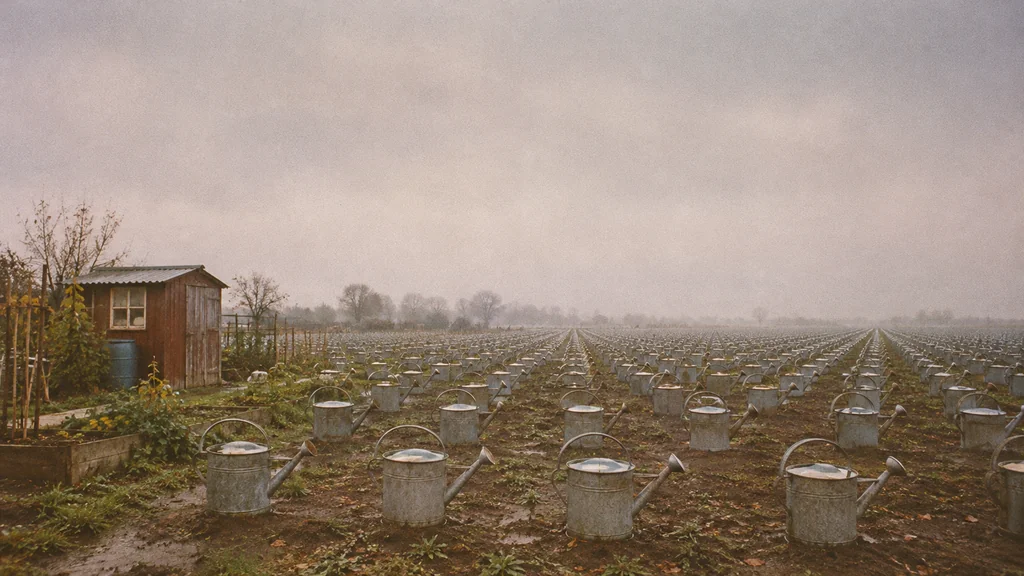
Across Europe, familiar summer water now carries a wider risk.
Image composition · tobriefWest Nile virus was diagnosed across Europe this year in people who caught it inside their own country rather than on a trip abroad. These "locally acquired" infections were reported in 211 regions across 15 EU/EEA countries, the widest distribution recorded since the EU agencies began tracking the virus this way, according to a joint report published on 12 November (ECDC–EFSA report). The authors are Europe's disease-control agency (ECDC) and its food-safety agency (EFSA), which follow the virus in people and animals.
By 4 November, those regions had reported 1,883 locally acquired cases, against a ten-year average of 698 at the same point in the season (ECDC–EFSA report). ECDC has called this year's infections a record high, with the virus reaching new parts of Europe (ECDC). Cases kept arriving after our October report (To Brief), when the agencies' tally stood at 1,715 (ECDC–EFSA October report).
The edges of the map moved as well. Greece and France recorded their highest human case numbers to date, and Belgium reported its first locally acquired human infections (ECDC–EFSA report). For residents of those places, West Nile now belongs on the list of things a summer mosquito bite can bring.
A bird virus that reaches people
West Nile circulates mainly between birds and mosquitoes, and people and horses get infected when a mosquito carrying the virus bites them (ECDC factsheet). The basic loop is simple. A mosquito picks up the virus from an infected bird, then passes it to another bird with a later bite.
Picture a ball thrown back and forth between two teams, birds on one side and mosquitoes on the other. People are spectators near the pitch, occasionally hit by a stray throw. The game itself goes on between the two teams.
That picture shapes what a locally acquired case tells us. It shows that infected mosquitoes were active somewhere in the country that reported it. The region on the map is where the case was recorded, which may not be exactly where the bite happened. So the 211 regions mark where local transmission was detected in people, without pinpointing each bite.
Why the visible count is only part of the story
Most people infected with West Nile never develop symptoms, and only a small share develop disease affecting the brain and nerves (ECDC factsheet). Someone who feels fine has no reason to see a doctor, so tests go mostly to people who are clearly ill. The official count therefore leans heavily towards the serious end of the illness.
Think of measuring a rainstorm by counting flooded basements. You learn where the downpour was heaviest, but most of the rain soaked away unnoticed. The 1,883 reported cases work the same way: they are the infections that became visible, inside a larger number that nobody tested.
That leaning count also guards against a tempting misreading. A record number of cases could suggest the virus has turned nastier. The agencies found no sign that the disease became more severe this year (ECDC–EFSA report). The record describes more detected infections in more places, with each illness no worse than before.
A quieter winter, and a map to remember
Activity peaked between August and early September and then declined (ECDC–EFSA report). Mosquito season will return, and the advice for people in affected areas stays practical. ECDC recommends insect repellent, clothing that covers the skin, screens on windows and emptying standing water where mosquitoes breed (ECDC).
What this season established is a record for reach. Detected local human cases were spread across more of Europe than in any earlier year of this surveillance, with Belgium joining the list and Greece and France posting their highest counts (ECDC–EFSA report). The map shows only the infections that someone noticed. Even that partial picture now covers 15 countries (ECDC–EFSA report), and their health authorities head into next summer knowing the virus has already reached their residents.
Details about this article
- Model:
- claude-opus-5-5
- Generated:
- 11/17/2026, 1:57:34 AM
- Pipeline run:
- eu_pipeline_20261117_005009
- Watermark:
- SynthID (Google's invisible watermark)
- Human review:
- None before publication