Zaporizhzhia bomb toll reaches 20
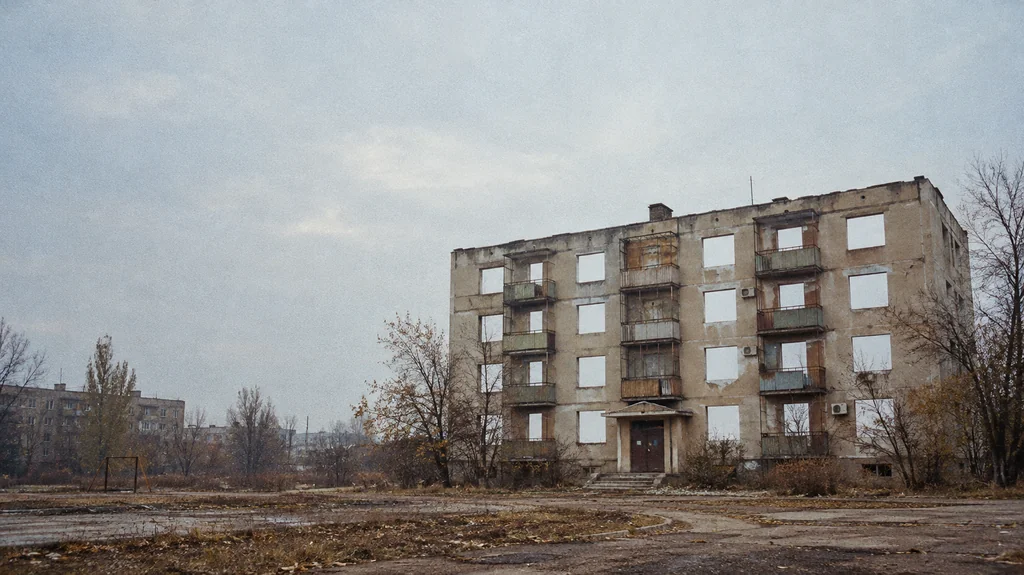
Zaporizhzhia’s rescuers are still searching; the final toll remains unknown.
Image composition · tobriefRussian guided bombs killed at least 20 people and injured 32 in Zaporizhzhia on Saturday, according to regional official Ivan Fedorov's count at 21:25 (Ukrinform). Three of the dead were children, the emergency service said (Ukrainska Pravda). European newsrooms followed the toll as it rose, but no government has announced a decision tied to this strike.
Five bombs fell on the city, and two of them hit apartment buildings, according to police reporting carried by Euronews (Euronews). Ukraine's National Police said its officers were working at several impact sites that morning (National Police). The bombs struck the Ukrainian-held city, away from the Russian-held nuclear plant at Enerhodar (To Brief).
The toll climbed all day as rescuers dug, from eight dead in the regional administration's 10:15 report (regional administration) to 17 by mid-afternoon (Ukrainska Pravda). Fedorov's evening figure is the latest count, not a final one.
An overnight check of official channels found no notice that the search had ended. Nobody has confirmed how many people are still missing.
Why these bombs are hard to stop
A glide bomb is an ordinary aerial bomb fitted with wings and a navigation kit. The wings let a jet release it far from the target, and the bomb glides the rest of the way. The defence think tank RUSI estimates these bombs are typically released roughly 30 to 90 kilometres from the front line (RUSI). The aircraft never has to fly over the city it hits.
That distance is the defenders' problem. Short-range air defences generally cannot reach a Russian jet launching from so far away. Longer-range systems can sometimes hit the aircraft, but only if they are positioned close enough and have interceptor missiles to spare, and those missiles are scarce and expensive, according to NATO's air-power centre (JAPCC).
Saturday's specifics remain unknown. No one has published the bomb type, where the jets launched from, or why these bombs got through.
Coverage, not decisions
Europe's engagement so far shows up in its newsrooms. Dutch public broadcaster NOS kept a single page running on the attack and updated its headline as the toll reached 17 (NOS). Euronews, which broadcasts across the continent, carried the Ukrainian police account of the apartment strikes.
Two events on the same day can look like responses, but neither was about Zaporizhzhia. Emmanuel Macron called Volodymyr Zelensky to express solidarity over the ongoing Russian attacks, and no new French pledge followed (RFI). Poland scrambled fighter jets later that day, a move its military command linked to Russian strikes on western Ukraine (Polsat News).
The EU's own words also predate the strike. Its diplomatic service last condemned Russian attacks on civilian homes in a statement on 8 October, two days before the bombs fell (EEAS).
The reviewed record shows close European attention to Saturday's deaths and no announced government decision tied specifically to this strike. That finding covers only what has been said so far and says nothing about decisions that may come later. The figure still owed comes from Zaporizhzhia itself: regional officials have yet to declare the search over and publish a final toll.
Details about this article
- Model:
- claude-opus-5-5
- Generated:
- 10/11/2026, 1:34:23 AM
- Pipeline run:
- eu_pipeline_20261011_005006
- Watermark:
- SynthID (Google's invisible watermark)
- Human review:
- None before publication