Παρασκευή 09 Οκτωβρίου 2026
10 άρθρα
France’s next tank has no German pledge
France must begin replacement studies in 2027, yet its agreement with Germany no longer commits either country to building a shared tank. France’s defence chief says Berlin has decided to leave the programme altogether. Germany has not publicly confirmed that wider exit, leaving open whether joint research will continue as France prepares for its Leclerc tanks to retire from 2038.
EU gas stores enter winter at 72%
Europe’s gas network has enough capacity for an ordinary winter, but stocks began October 11 percentage points below last year. The system can receive far more LNG than it handled last winter; the outlook cannot say how many cargoes will arrive. A deep drawdown would leave Europe facing a longer, costlier refill in 2027.
A powerful El Niño, an uncertain European winter
The World Meteorological Organization expects Pacific temperatures to reach about 3.7°C above normal from October to December, putting this El Niño among the strongest since 1950. The event is almost certain to last through February. It may tilt Europe's odds toward a wetter, milder early winter or later cold spells, but Atlantic and polar conditions will help determine what each country gets.

EU resists Greece and Italy’s bill relief
Athens and Rome want room beyond their EU spending limits to cushion this winter’s energy bills. The Commission has pushed back, leaving immediate relief within existing budgets. Brussels has opened a separate, capped exception for projects that reduce fossil fuel imports, but that investment offers little immediate help to households facing higher bills.

Italy’s new election bonus may miss a majority
Italy’s Chamber has approved an electoral law that gives the winning coalition extra seats and its leaders control over who fills them. The bonus requires at least 42% of valid votes and a win in both houses, yet Parliament’s own example leaves the winner one seat short of a Senate majority. The law still needs the president’s signature and publication.
France’s 2,000 Gulf troops lack a baseline
France says about 2,000 personnel are helping protect Gulf allies, but has not said how many arrived during the current war. Six additional Rafale fighters show that some capabilities were reinforced. Without a before-and-after troop count, MPs cannot tell how far Paris has expanded its commitment or whether the rules for a new foreign intervention apply.
Vienna’s nuclear clock runs, still wobbles
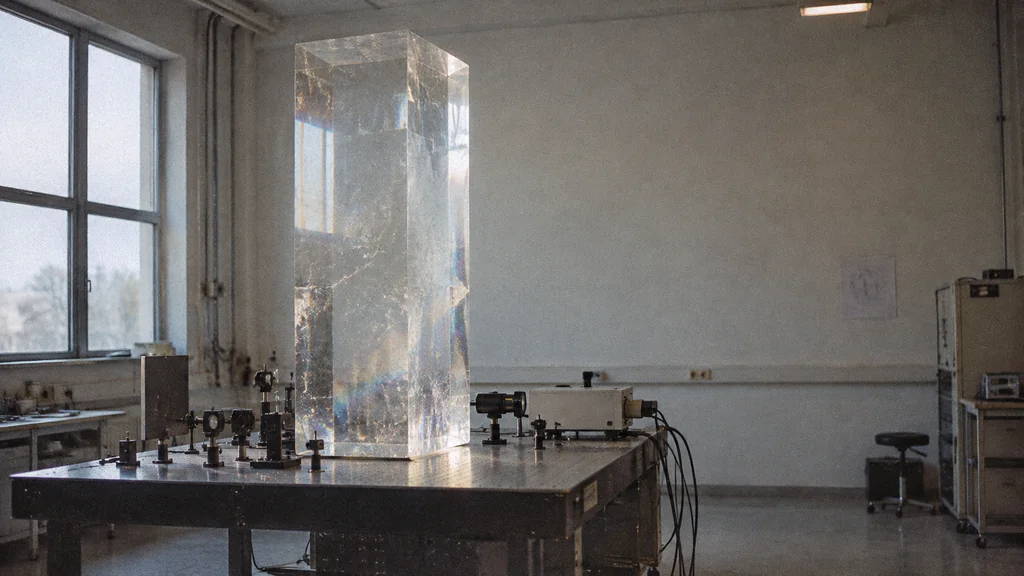
Two teams have built clocks that keep lasers tuned to a transition inside thorium nuclei. Vienna’s ran unattended for more than 24 hours; Beijing’s showed that separately grown crystals can produce closely matching frequencies. Both prototypes remain far less steady than leading atomic clocks, but their different reference could help test whether the constants of physics change.
Portugal’s investment drops 31% in budget
Portugal’s proposed 2027 budget cuts public investment by €4.348 billion as EU recovery funding ends, yet forecasts a surplus of just 0.1% of GDP. Other funding will replace only part of the lost money. The surplus assumes 2.1% growth, above the fiscal watchdog’s 1.8% forecast, and deputies still lack a project-level account of what needs funding.
Sweden replaces Dutch Patriots, coverage unverified
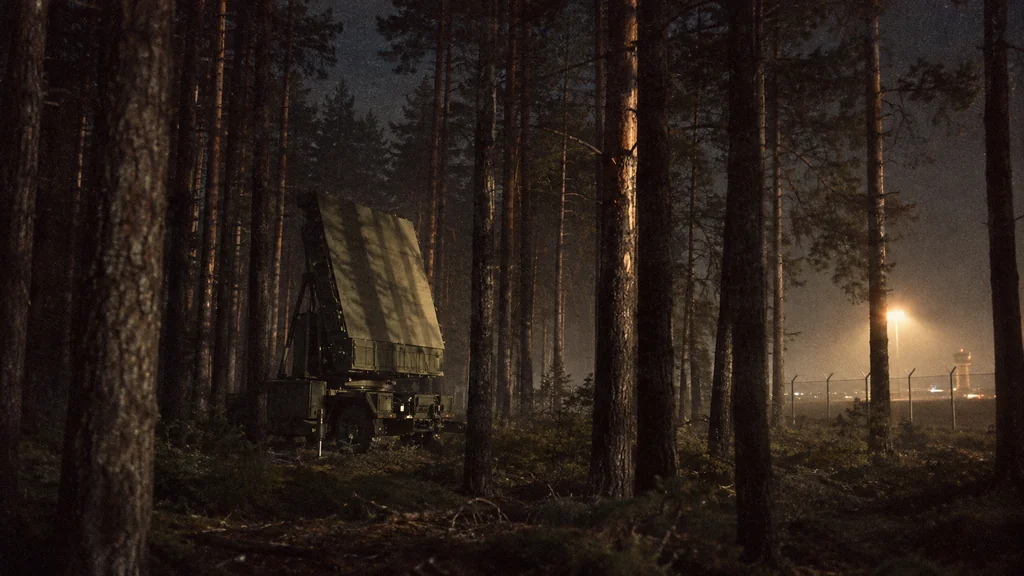
Sweden will take over air defence at the Polish hub that channels allied aid into Ukraine when the Dutch Patriot unit leaves in early December. No public comparison shows whether the replacement will provide the same coverage. Estonia has moved brigade staff, Finland is flying joint patrols with Sweden, and Germany is debating wider intelligence powers.
Sixfold drone spending, one-third to deliver by 2030
European governments sharply increased spending on counter-drone and close-range air defence, yet a restricted EU assessment expects only around a third of the programmes to deliver by 2030. Testing capacity and trained staff are scarce, and the public assessment does not name the lagging programmes or define what “deliver” means. EU leaders will discuss the findings on 15–16 October.