Τετάρτη 19 Αυγούστου 2026
5 άρθρα
Eight states make Schengen’s exception routine
Germany’s new extension keeps checks at all nine land borders until mid-March 2027, affecting roads, trains and coaches across Europe’s busiest commuting corridors. More than 200,000 workers enter Luxembourg each morning, yet Brussels cannot halt controls immediately—even after Europe’s top court ruled that governments cannot preserve them indefinitely by repeatedly citing the same threat.
Cyprus cable waits on one NAVTEX
The €1.9 billion Great Sea Interconnector has EU funding, French control and a cable contractor, but no maritime notice to restart work in contested waters. With 40% of the seabed still unmapped, the missing NAVTEX holds up Cyprus’s payments and leaves the project without a final investment decision, settled cost-sharing or a clear route to construction.
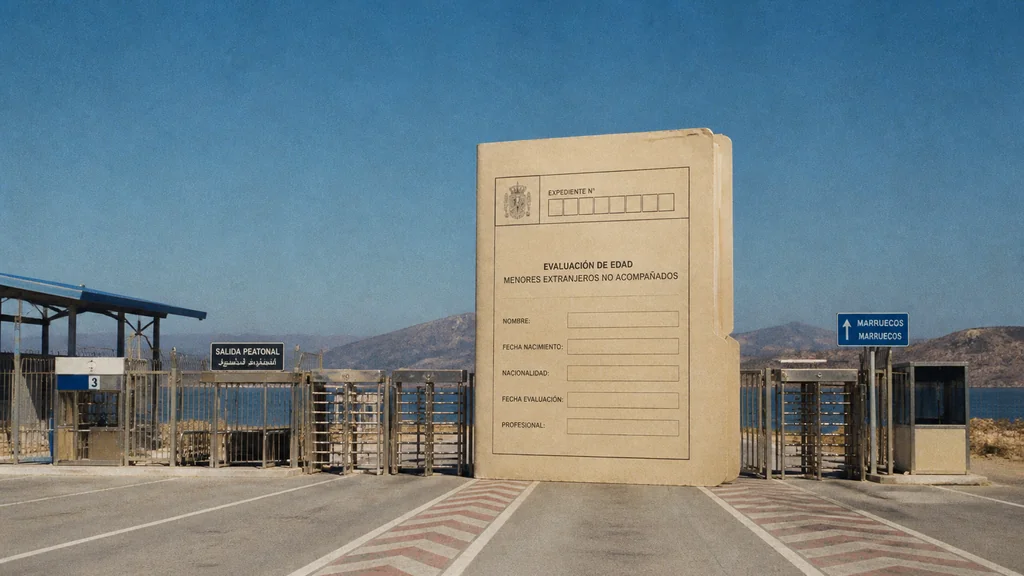
Ceuta returns face five legal locks
Brussels has backed swift returns from Ceuta, but Spain still cannot remove unaccompanied minors as a group. Every child requires an individual file, a best-interests assessment, a hearing and verified safe reception in Morocco. Spanish prosecutors, protection authorities and judges—not the Commission—will determine whether those safeguards are met.
Pfizer freezes 80% of Poland’s airspace fees
A Belgian court has allowed Pfizer to seize route charges collected for Poland’s air-navigation agency as it enforces a €1.3 billion vaccine judgment. About €73 million is already frozen, forcing PAŻP onto emergency financing, while Romania’s provider faces the same squeeze. No flights are affected, but the dispute could expose Europe’s centralised airspace-fee system to other sovereign creditors.
Ireland’s 65% export plunge misreads Europe
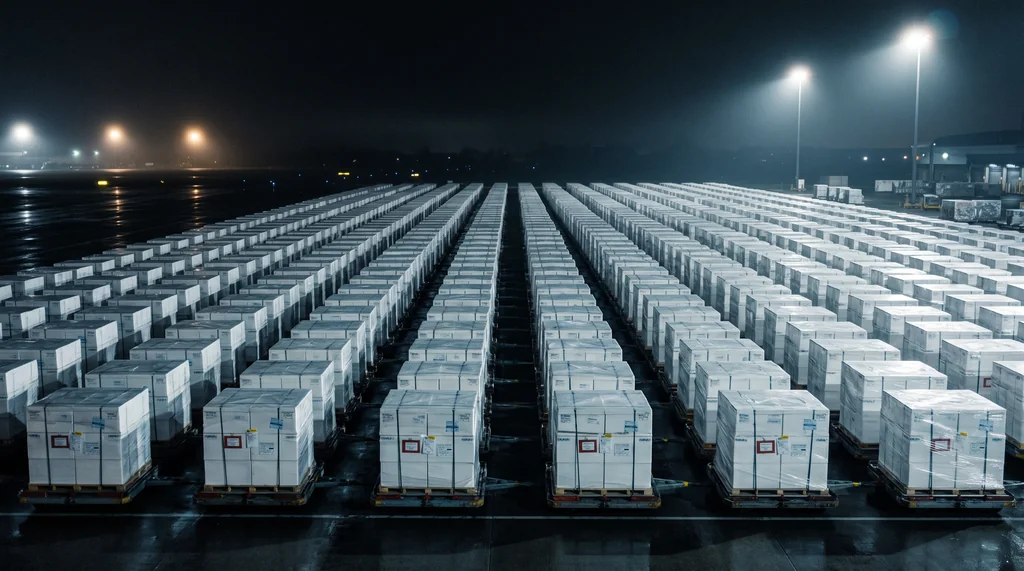
Ireland’s headline collapse largely reflects pharmaceutical shipments rushed into the US before expected tariffs, not a fresh trade shock. June exports were down only 1% year-on-year, while EU exports to America rose 10.8%. The deeper tariff damage is emerging elsewhere through lost German investment and auto jobs, falling Italian wine margins and orders smaller exporters cannot recover.