Europe’s gas bill rises €18–33 billion
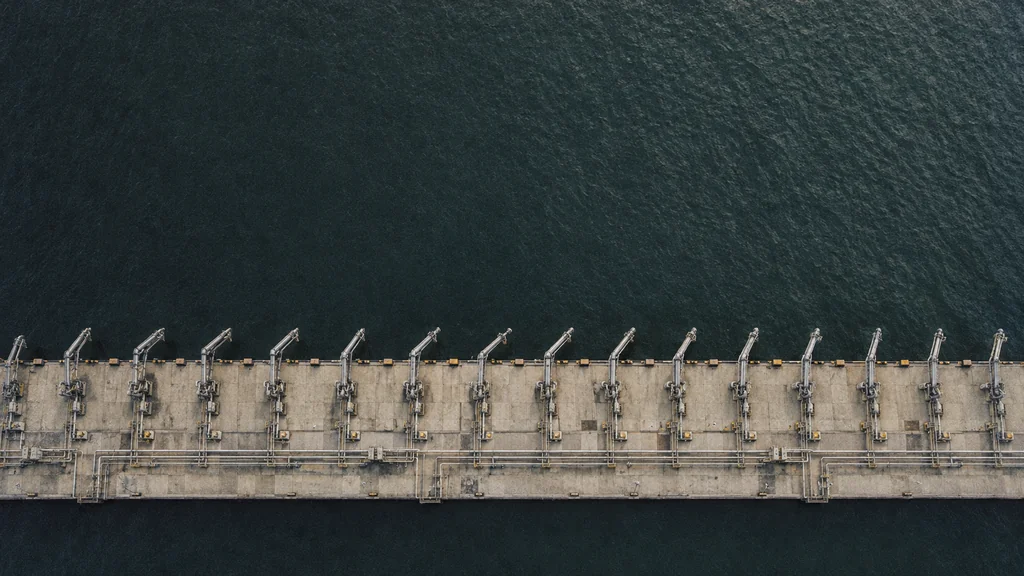
Europe’s missing LNG cargoes leave a bill no common measure covers.
Image composition · tobriefEurope paid an estimated €18–33 billion more for its summer gas imports than it would have without the Middle East conflict, according to the EU's energy regulators' agency (ACER). EU energy ministers met on 29 October and adopted no new common relief measure (Council of the EU). National budgets and the terms of each buyer's contracts will therefore decide who carries the cost.
How the bill was counted
ACER compared what Europe actually paid for gas this summer with two estimates of what prices would have been without the conflict. It then multiplied the difference by the volume imported. The result shows how much more importers paid. It does not show who will end up bearing the cost.
Most of the gap traces back to Qatar. No significant Qatari LNG (liquefied natural gas, shipped by tanker) reached the EU this summer, and total LNG imports fell 14% on the previous summer (ACER summary). European buyers had to outbid Asian rivals for replacement cargoes.
Why Italy's shortfall raises everyone's price
Italy lost gas outright. QatarEnergy declared force majeure (a notice that it cannot deliver as contracted) on 38 cargoes bound for Edison's Adriatic terminal between April and December, about 5 billion cubic metres (Edison). That forced the company to buy replacements at whatever the market charged. By 27 October it had secured 27 of them, and it has not disclosed what they cost (Edison).
Those purchases affect buyers far beyond Italy. Europe's main wholesale benchmark is set at TTF, a Dutch trading hub, and the TTF price influences many supply contracts and the bids for replacement cargoes. When Edison and other buyers compete for the same tankers, firms that never lost a Qatari cargo still pay more. The benchmark was near €100 per megawatt-hour this week (dpa via Yahoo Finance), as we reported (To Brief).
Poland shows the difference between having gas and paying for it. Its stores were about 99% full on 26 October (Gas Storage Poland). Full storage protects Poland against running out of gas, but any extra cargo it buys this winter will still be priced against the same market.
Relief comes from national treasuries
Slovakia's economy minister, Denisa Saková, told the Energy Council that the crisis had lasted longer than expected. She said governments lacked the public money to compensate energy costs indefinitely (SITA). She asked for a swift common response and looser state-aid rules (the EU limits on governments subsidising particular firms). Greece's energy minister, Stavros Papastavrou, proposed a joint meeting of energy and finance ministers (Greek energy ministry).
Neither request was adopted. The Irish presidency's summary records talks on winter preparedness, coordination and information-sharing, and it records no change to aid rules and no joint meeting (Irish presidency). Energy Commissioner Dan Jørgensen said ministers expected very high prices but no physical shortage. He added that any subsidies for fossil-fuel costs should be targeted and temporary (European Commission).
Looser aid rules would not create an EU fund. They would let each government spend more of its own money, and those governments start from different places. In the second quarter, government debt stood at 60.6% of GDP in Slovakia, 63.4% in Germany and 139.9% in Italy (Eurostat). GDP, or gross domestic product, is the value of everything an economy produces in a year. Debt alone does not determine how much a government can spend, because borrowing costs and EU fiscal rules also matter. It does show that the treasuries are far apart.
On 16 October, EU leaders welcomed the Commission's intention to extend temporary aid for exposed industry (European Council). The Commission has not yet published that extension.
Firms on contracts linked to market prices feel the increase first. Households on regulated tariffs, where national authorities set or cap the price, are likely to feel it later. That could come through tariff revisions or through relief paid for by taxpayers.
Ministers left this week without a common answer, so national budgets and contract terms will decide where Europe's shared price shock lands. ACER's estimate measures the size of the bill. How it finally divides among firms, households and taxpayers is still unknown.
Details about this article
- Model:
- claude-opus-5-5
- Generated:
- 10/30/2026, 1:39:26 AM
- Pipeline run:
- eu_pipeline_20261030_005008
- Watermark:
- SynthID (Google's invisible watermark)
- Human review:
- None before publication