France claims a place at Abu Dhabi talks
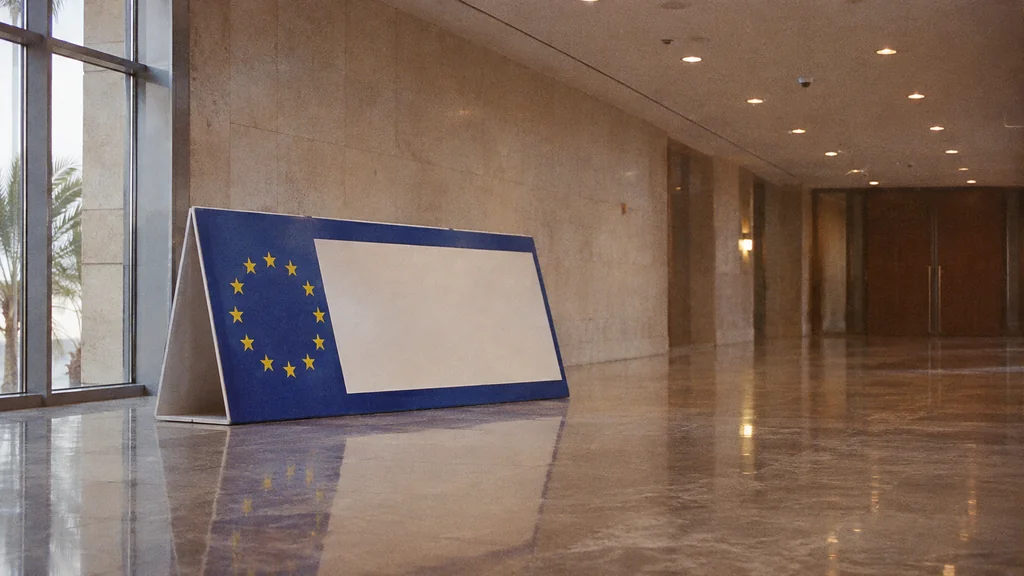
France promises a European presence before Europe chooses who can speak.
Image composition · tobrief- 06/11/2026Kremlin rejects a European role in the agreed formatKremlin spokesman Dmitry Peskov said the Abu Dhabi meeting had been agreed as talks between Ukraine, Russia…
- 07/11/2026Russia names senior diplomats and officers for Abu DhabiMoscow said Vladimir Medinsky would lead its delegation, joined by deputy foreign ministers and senior mili…
- 08/11/2026France announces European presence at Abu Dhabi talksForeign Minister Jean-Noël Barrot said France and other Europeans would be represented at the 10–11/11 disc…
French foreign minister Jean-Noël Barrot said on 8 November that France would take part in the sessions Ukraine, Russia and the United States plan to hold on 10–11 November in Abu Dhabi, and promised that Europeans would be "well represented" (RTL, Ukrainian presidency). He did not say who would represent France, or whether that person would sit with the three delegations rather than in separate side meetings. Europe's stake is not optional: the Union holds the sanctions, the reconstruction money and the security promises any settlement would need, so those two gaps decide how much Barrot's promise is worth.
A presence, not yet a seat
Barrot could not name France's delegate and said he would not join the negotiations himself. He promised Paris would "make Europe's voice heard" (RTL) but would not specify whether that means a place in the main sessions or some other form of involvement (AP). He made the announcement before the delegations gathered, which means Paris stated its presence while the format was still contested.
The other two capitals have described a narrower room. Jared Kushner, an envoy of US president Donald Trump, wrote on 6 November that European partners would be consulted "on the sidelines" in Abu Dhabi and would enter a broader format only "if progress is made" (AFP via Channel NewsAsia). Kremlin spokesman Dmitry Peskov said on 3 November that Europeans could not join the three-way talks, though they would be needed for wider security discussions later (TASS). On those dates, neither side promised the Europeans a chair. Washington and Moscow had described consultation; Barrot has announced participation, and the difference is not etiquette. The main room is where terms get drafted.
A mandate nobody has granted
Even with a seat, no one would be there to negotiate for the EU. Giorgia Meloni, Italy's prime minister, put the gap in writing on 5 November. She asked EU leaders to decide who would represent the Union at the table and with what authority (ANSA). The question went to the right address: only the leaders, acting together, can give a negotiator the authority to speak for all of them.
The reply came the same day from António Costa, who chairs the summits where EU leaders meet. He wrote that EU interests should be carried by the Union's own institutions, then named no envoy and granted no mandate for Abu Dhabi (Costa's letter). European governments have been pressing for this clarity for weeks (To Brief).
The stakes show up most plainly in sanctions. Kaja Kallas, the EU's foreign policy chief, told Baltic Sea ministers on 6 November that any settlement touching sanctions, reconstruction or security guarantees could not be implemented without European involvement (EEAS). Lifting or easing EU sanctions requires unanimous agreement among member governments, so any single country can block (Council of the EU). France holds one such veto, but so does every other capital, and however many governments agree, a single objector can still block. That is why a French promise in Abu Dhabi cannot become a European commitment.
The announcement also shifts the waiting game among European capitals. Governments that demanded one European voice must now react to a French one before any of them has agreed what that voice should say.
Barrot has committed France to being in Abu Dhabi before the delegations convene. Two questions would turn the promise into leverage: will the French representative join the main talks, and can anyone there speak for more than Paris? The first is for Washington and Moscow to answer. The second is for EU governments, and Costa's letter shows it has no answer yet.
Details about this article
- Model:
- deepseek-v4-pro
- Generated:
- 11/9/2026, 2:06:43 AM
- Pipeline run:
- eu_pipeline_20261109_005008
- Watermark:
- SynthID (Google's invisible watermark)
- Human review:
- None before publication