G7 puts diesel first in oil release
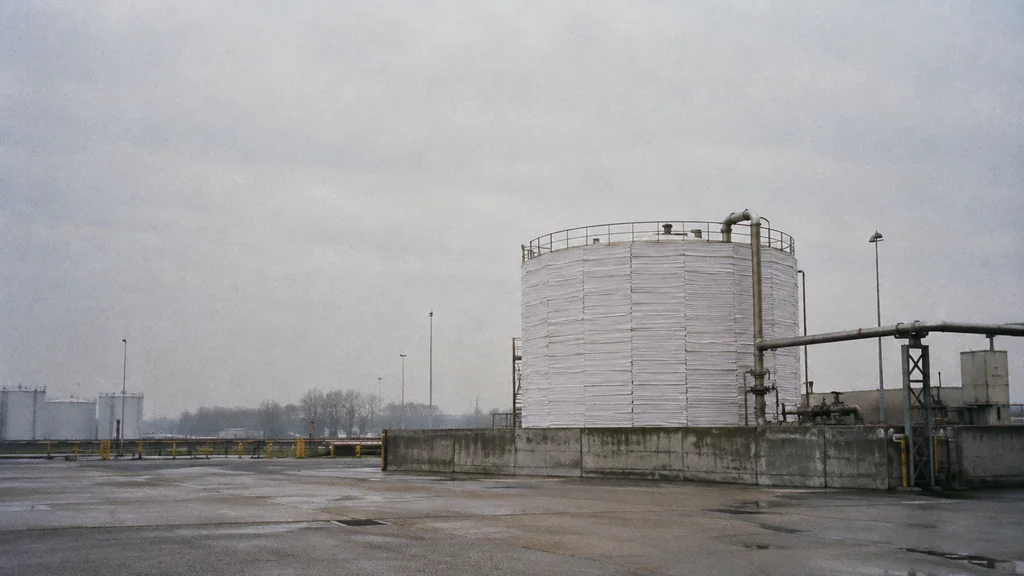
Europe waits to learn which promised diesel barrels will reach buyers.
Image composition · tobriefThe Group of Seven agreed on 2 October to release 100 million barrels of oil and fuel over four months, coordinated through the International Energy Agency (IEA), the body that organises rich countries' emergency stocks (G7 statement). "Substantial" diesel volumes are to come forward in the first 20 days (Canadian publication of the statement). The leaders did not say how much of the total is newly committed and how much was already promised in March.
Europe has a specific reason to care about diesel. Imports covered 46% of European diesel demand in the first half of 2026, and the US supplied 40% of those imports, according to BNP Paribas. That leaves road hauliers, farmers and diesel drivers heavily dependent on American refineries.
The deal came a day after Washington pressed Europe to draw down its own diesel stocks and floated curbs on US diesel exports (To Brief). In the statement, leaders reaffirmed that they would not restrict energy exports among G7 countries. President Emmanuel Macron said Donald Trump had been "clear" there would be no bans (EFE). This is a political pledge rather than a binding rule, but it covers the supply line Europe leans on most.
Why diesel goes first
Emergency stocks are fuel that governments, or companies legally required to hold reserves, keep for a disruption. A stored barrel of diesel is ready for distributors once it is sold and moved. A barrel of crude has to go through a refinery first, and that only works if the refinery has spare capacity.
The IEA warned in March that diesel and jet fuel were especially vulnerable because refining cannot always rise as fast as crude supply (IEA). To ease that bottleneck, the leaders promised to stagger refinery maintenance so plants do not shut at the same time. They will also ask non-G7 countries to refine more diesel (Canadian publication of the statement). Both are intentions, and neither has yet produced extra fuel.
The statement also gives no allocations by country. Nothing in it shows that the early diesel will be sold in Europe rather than in other G7 markets. The European Commission said EU diesel supply was stable for now, but that prices stayed high because the global market was tight (Commission). Because the tightness is global, diesel released elsewhere could still ease European prices. That is an inference, and nobody has put a size on it.
What March already promised
In March, the 32 IEA members agreed to make 400 million barrels available, the agency's largest joint reserve release (IEA). The October text asks the IEA to monitor "full implementation" of those March commitments. It also says the new release will take account of what has already been delivered (G7 statement, Reuters via Euronext). The documents do not settle how far the two overlap.
That leaves two separate questions. The first is how many barrels are newly committed. The second is how many have actually been offered or delivered, and where. An old pledge delivered sooner still adds fuel in the coming weeks, even if it adds nothing to the total.
The Netherlands shows why the distinction matters. On 1 October, the Dutch government offered a further batch of diesel and petrol from 2 October, under its existing March pledge rather than a new one (Dutch government). So March barrels are appearing in October, alongside the new G7 announcement. The Dutch account describes an offer. It does not say buyers took the fuel or that it has been delivered.
If more diesel does reach pump prices, the biggest gains go to diesel-heavy businesses such as road freight and farming. The stocks drawn down now will eventually need refilling, and the leaders asked the IEA for advice on how to do it (G7 statement). Who pays for that depends on whether governments or obliged companies hold the barrels, and the statement does not address it.
The G7 has set a timetable that puts diesel first and has pledged on paper not to curb allied exports. The IEA's follow-up report is due within 20 days (Canadian publication of the statement). That report owes a country-by-country count of new commitments, actual deliveries and destinations. Until it arrives, nobody outside the governments involved can say how much extra diesel the 100 million represents.
How was this article?
Help us get better
Help us get better
Details about this article
- Model:
- claude-opus-5-5
- Generated:
- 10/3/2026, 2:05:40 AM
- Pipeline run:
- eu_pipeline_20261003_005006
- Watermark:
- SynthID (Google's invisible watermark)
- Human review:
- None before publication