Hungary And Slovakia Face Tariff Threat
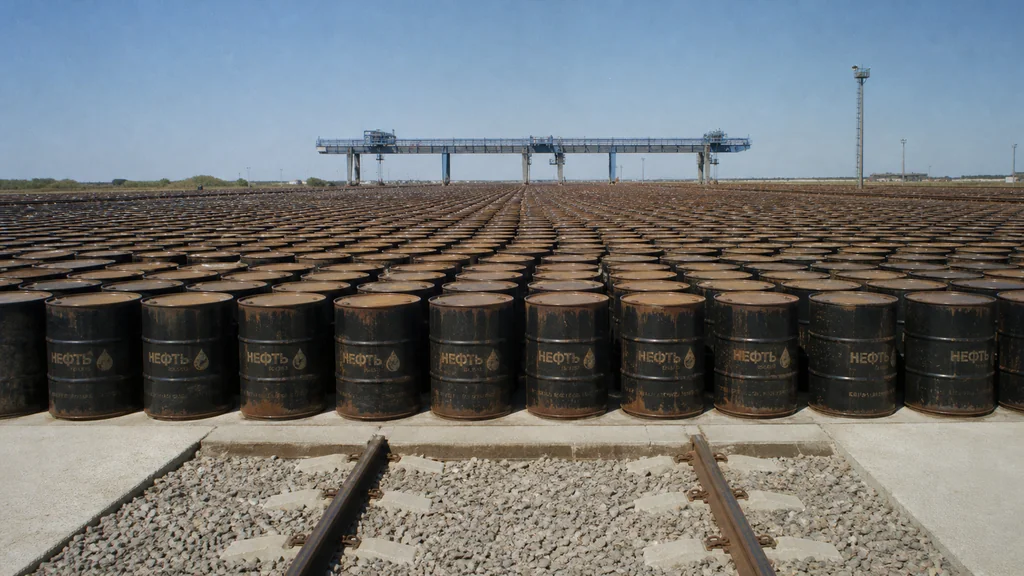
Russian energy purchases now crowd the route to American markets.
Cumadóireacht íomhá · tobriefThe US Senate has handed Washington a new lever in the argument over Russian energy. By 86 votes to 11 on August 7, it passed a Russia and Iran sanctions bill that would allow tariffs of up to 100% on goods from the five biggest buyers of Russian oil and gas.
Across Europe, some of the coverage treated that vote as if the tariffs were already on the way. They are not. The bill still has to get through the House, which is on recess until September. It would then need the president’s signature. Until both happen, no tariff applies to anyone.
But the design of the threat matters before it becomes law, because it points straight at the EU countries that have moved slowest away from Russian energy.
The bill ranks countries, then tariffs them
The bill does not name Hungary, Slovakia or anyone else. It builds a ranking system. The president would be able to impose duties of up to 100% on imports from whichever five countries bought the most Russian crude oil or natural gas over the previous 12 months (Congress.gov). That list would be updated every 180 days.
There is a separate provision for duties of up to 500% on goods imported directly from Russia. The logic is simple enough: punish Moscow directly, and also raise the cost for countries still helping to fund its energy revenues.
There are escape routes. Countries can avoid the gas list if they import less than 15% of Russia’s total gas exports and are actively cutting that dependence. The president also keeps waiver powers where a tariff would clash with US national interests (CBS). Congress is offering the White House a weapon, not ordering it to fire. The final tariff levels would be set by the administration.
Hungary and Slovakia sit in the crosshairs
Inside the EU, the most exposed states are those still receiving Russian crude through the Druzhba pipeline, the Soviet-era route running from Russia through Belarus into Central Europe. When the EU banned seaborne Russian oil in 2022, it allowed pipeline exemptions. Hungary and Slovakia are the two member states still relying on them.
The European Commission says it is working with both governments to diversify. Neither has put a firm exit date on the table.
Hungary could plausibly end up on the US top-five list. But the bill asks a different question from the one usually debated in Budapest. The issue is not how much of Hungary’s own energy mix comes from Russia. It is how much Hungary accounts for in Russia’s total gas exports, and those are very different figures. That distinction may protect Hungary on the gas side.
Slovakia’s position is cleaner, and more awkward. The Slovnaft refinery still processes Druzhba crude. Gazprom remains Slovakia’s largest gas supplier. The government has no replacement timeline.
Belgium is a more technical case. In July, all LNG, or liquefied natural gas shipped by tanker, arriving in Belgium was Russian. Much of it, however, passes through the Zeebrugge terminal for re-export rather than Belgian use. If Washington counts landed cargoes rather than final consumption, Belgian exporters could be punished for gas their country never burned. That turns on how the US administration defines a "buyer."
Hungary takes the energy decision; Brussels handles the trade fallout
This is where the EU problem becomes familiar. Energy dependence is still shaped heavily by national choices. Trade policy is not. Under the Treaty on the Functioning of the EU, trade is an exclusive EU competence, meaning only Brussels can negotiate trade terms or retaliate for the bloc.
Hungary and Slovakia cannot cut their own deal with Washington. If US tariffs hit Hungarian or Slovak exports, the European Commission inherits the response. It would be defending member states whose continued Russian-energy dependence is seen by much of the bloc as a strategic liability.
For Ireland, the lesson is a familiar one from the Brexit years: when trade rules move, national exposure quickly becomes a European problem. Dublin knows better than most that customs and market access are not abstract legal categories. They decide who pays, who waits and who gets squeezed.
The Senate bill works as outside pressure on an issue Brussels has struggled to settle member state by member state. The Commission has relied on exemptions, timetables and quiet bargaining with holdouts. Washington is offering something cruder: keep buying Russian energy, and your exporters carry the cost.
That pressure is already commercial, even if it is not yet legal. Hungarian and Slovak companies selling cars, machinery and chemicals into the US now have to price in a risk that did not exist in the same way before. Contracts, delivery dates and customs assumptions all shift when a 100% tariff becomes plausible, even if it has not been imposed.
The House may yet change the bill, delay it or let it die. But the ranking mechanism matters because it would keep moving every six months. For Budapest and Bratislava, the question is no longer only whether their Russian energy ties are politically defensible. It is whether their exporters can afford them.
Details about this article
- Model:
- claude-opus-4-6
- Generated:
- 8/9/2026, 1:58:38 AM
- Pipeline run:
- eu_pipeline_20260809_005005
- Watermark:
- SynthID (Google's invisible watermark)
- Human review:
- None before publication