Meridiam Takes 66% Cable Stake
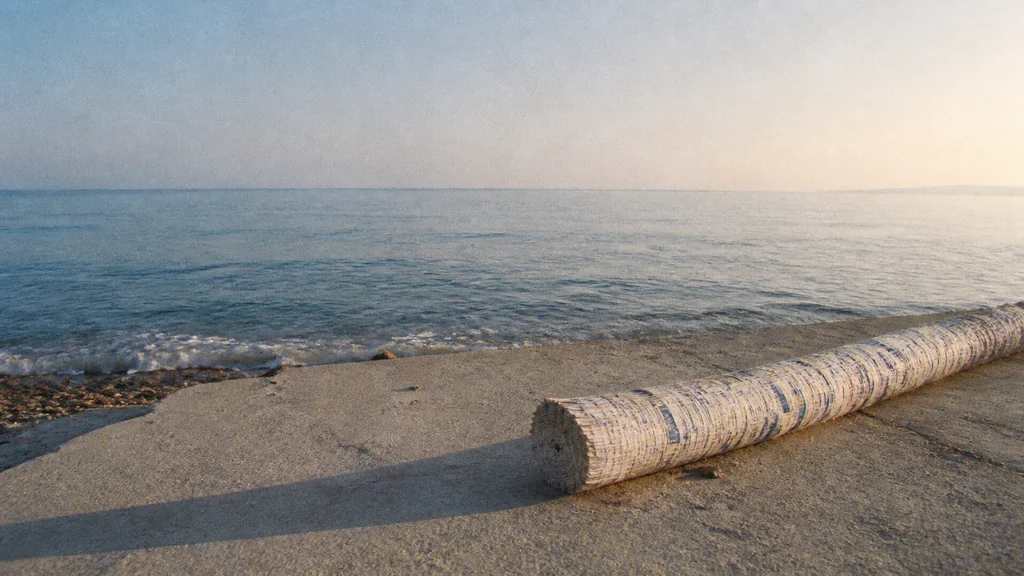
Cypriot households are charged before the cable carries its first current.
Cumadóireacht íomhá · tobriefA French infrastructure investor has given the Great Sea Interconnector the thing it badly needed: a shareholder with money and a reason to stay the course. Meridiam agreed this week to buy 66% of the planned subsea electricity cable linking Crete to Cyprus, with Greece's grid operator ADMIE keeping 34% and remaining technical lead (Greek Prime Minister, Powergame).
That changes the mood around a project that had been drifting. It does not answer the question that matters most to households: who pays if the bill runs over? The shareholder agreement has not been published, including the provisions on cost overruns. For a €1.9 billion cable funded partly through consumer electricity bills, that silence is not a detail.
Cyprus is the only EU member state whose electricity grid is still completely cut off from the wider European system (European Commission). The interconnector would plug the island into the continental power market and reduce its dependence on imported fuel. That is the policy case, and it is a strong one. The argument is over the mechanism: how the cable is financed, and who is left carrying the construction risk.
Who Carries the Cost
The Crete-to-Cyprus section is costed at €1.9 billion (Knews Kathimerini Cyprus). About €657 million is due to come from the EU's Connecting Europe Facility, the grant scheme Brussels uses to support cross-border infrastructure (Cyprus Mail). The balance must come from equity, debt and regulated revenue, which means customers paying through network charges on electricity bills.
Regulators have split that long-term burden 63% Cyprus, 37% Greece, on the basis that Cyprus benefits more because it is the system being brought out of isolation (Kathimerini Cyprus).
Cypriot consumers are also being asked to pay before the cable is operating: €25 million a year for five years, or €125 million in all, during construction (Iefimerida). The first instalment was frozen after officials pointed to incomplete implementation and disputes over where the money should come from (Cyprus Mail). Cyprus, in plain terms, is already pushing back against paying for a cable that has yet to carry power.
What Meridiam's Money Actually Buys
Meridiam will fund the remaining 40% of seabed surveys, the technical work needed to settle the cable route. It may also reimburse ADMIE for 66% of the €251.4 million the Greek grid operator has already spent (Powergame). A parallel agreement with French cable manufacturer Nexans aims to restart survey work from September (SigmaLive).
That is progress, but it is not financial close. Financial close is the point at which the full funding package is legally locked in. Cyprus's Energy Minister Michael Damianos said his government is still waiting for European Investment Bank due diligence before deciding whether the state will take an equity stake (Euronews Greek). As we reported when the agreement was announced, the ownership has shifted, but the decisive financial commitments are still to come. The acquisition price, board composition, veto rights and overrun allocation remain undisclosed.
The Cable Runs Through Contested Waters
Les Echos placed Meridiam's move in the wider frame of Turkish pressure, Cypriot disputes and Franco-Greek alignment (Les Echos). That political context feeds directly into the financing question. Survey ships in contested waters can be delayed. Delays push up contractor costs and financing costs. The unpublished shareholder agreement is where you would expect to find out whether private capital absorbs that increase, or whether it flows back into public tariffs.
The European Court of Auditors has warned that EU cross-border electricity projects keep running into delays even when the policy case is clear (European Court of Auditors). The Great Sea Interconnector now has a stronger sponsor, but it is still exposed to the same pattern: politics at sea, regulatory pressure on land, and consumers asked to trust that the bill will be controlled.
If the project works, Cyprus gains most. It gets a route out of electricity isolation and into a market that could improve supply security and allow cheaper imports. Meridiam and ADMIE gain a regulated asset with a reported allowed return of 8.3% plus a 3.7% premium for 17 years (Kathimerini). Greek consumers carry less of the direct burden at 37%, though ADMIE's €251.4 million outlay means the Greek regulated system already has capital at risk.
The clearest losers, if costs rise, are Cypriot consumers: they sit on the 63% side of the allocation and are being asked to pay construction charges before a single electron moves through the cable. Meridiam's arrival makes the project more credible. It does not make it more transparent.
Stocks in this story
Details about this article
- Model:
- claude-opus-4-6
- Generated:
- 8/7/2026, 2:01:30 AM
- Pipeline run:
- eu_pipeline_20260807_005006
- Watermark:
- SynthID (Google's invisible watermark)
- Human review:
- None before publication