Παρασκευή 11 Σεπτεμβρίου 2026
5 άρθρα
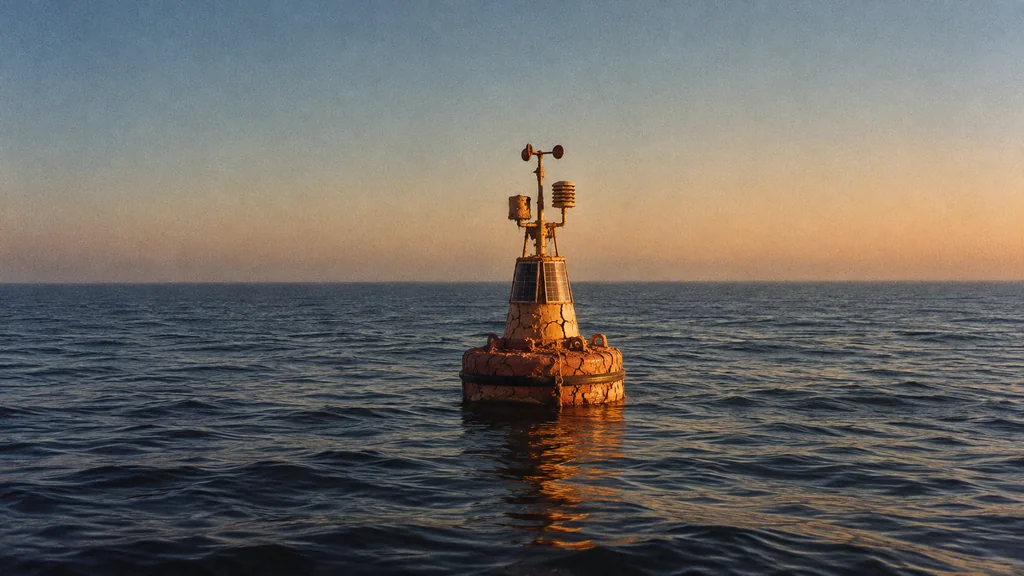
21.07°C oceans capped Western Europe’s hottest summer
August’s global surface-air temperature reached 16.96°C, an estimated 1.65°C above pre-industrial levels. Western Europe’s record season was driven less by one exceptional peak than by months of blocking high pressure and drying soils: France endured 53 heatwave days, while Spain recorded 61 across four episodes.
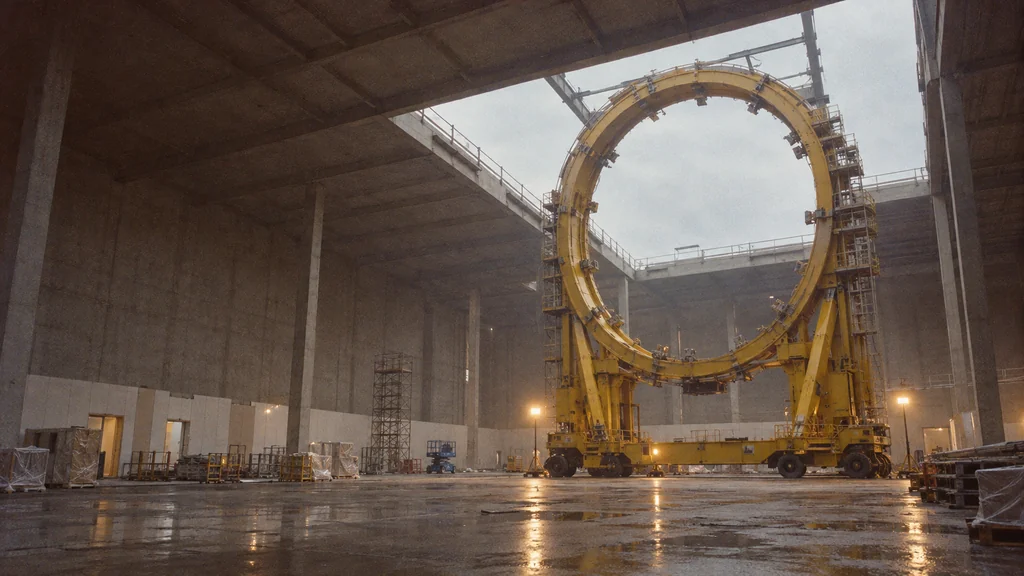
Europe bets €2.4bn on an untested factory
Aerospacelab will build 264 spacecraft—three-quarters of the IRIS² fleet—at a Charleroi plant due to begin production in 2027. The award puts Europe’s sovereign communications network on a factory yet to prove serial output, while unpublished supplier terms leave unclear who can intervene, or who pays, if deliveries slip.

France’s debt penalty hits 94 basis points
Investors now demand nearly a percentage point more to lend to France than Germany, reflecting deficits projected above 5% of GDP and debt heading past 120%. The ECB’s rate increase lifted borrowing costs across the euro area, but France took an additional hit. Demand for its bonds remains strong; the danger is a slow squeeze as €310 billion of issuance locks in higher costs.

France’s budget faces a 0.5-point growth hole
Household purchasing power fell 0.6% in the second quarter as France entered autumn with almost no economic momentum. INSEE now expects 0.4% growth in 2026, against the government’s 0.9% budget assumption, leaving Paris to close a deficit near 5% of GDP as employment falls and higher interest rates gradually raise its borrowing costs.

Cloudflare validates oversized quantum-safe DNS signatures
On 10 September, 1.1.1.1 became able to authenticate DNS records signed with ML-DSA-44, giving the internet a production test bed for post-quantum name resolution. Each 2,420-byte signature can force large replies onto slower TCP fallback, while the root trust chain still relies on classical cryptography and the IETF format remains unfinished.