Meridiam Takes Cable Majority
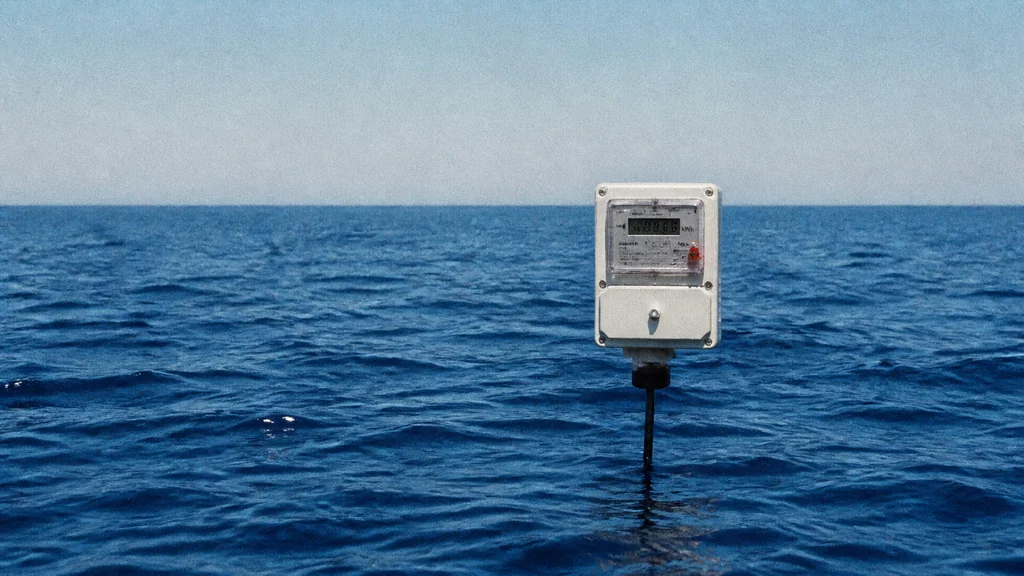
Cyprus faces the bill before the project reveals who bears the risk.
Cumadóireacht íomhá · tobriefFrance's Meridiam now controls 66% of the Great Sea Interconnector, the undersea electricity cable meant to link Cyprus to the European power grid for the first time. That much is clear. What is not clear is the part that matters most to households and governments: who carries the risk if the project costs more than expected.
Five days after the signing in Athens, there is still no public acquisition price, no disclosed equity commitment, no board structure and no published clause setting out who pays for overruns (Philenews, Baird Maritime). The cable is estimated to cost about €1.9 billion (Kathimerini Cyprus). Around €657 million is coming from the EU's Connecting Europe Facility, the grant scheme used for cross-border infrastructure. That still leaves more than €1.2 billion to be found through equity, borrowing or charges passed on through electricity bills (Knews Kathimerini). As we reported last week, Cyprus's opposition immediately asked for the details, while the European Commission confirmed the deal has not yet been formally notified for merger review, the step that opens the EU competition process.
The Missing Risk Map
The 5 August signing did two things at once. It brought Meridiam into the project, and it was paired with a separate agreement for Nexans, the French cable maker, to restart seabed surveys along the roughly 898-kilometre route (Greek PM, Balkan Green Energy News). ADMIE, Greece's grid operator, keeps 34%, along with technical leadership and future operation of the cable (Politis). Whether ADMIE has veto rights over particular decisions has not been disclosed.
The project now has a French majority investor and a French manufacturer. Moving from a single state-linked sponsor to a long-term infrastructure fund should make the financing story easier to tell (EUAlive). But a project that is easier to finance is still not a financed project. No final investment decision has been taken.
Cyprus May Pay First
The cost split is 63% Cyprus, 37% Greece, which puts a much heavier per-person burden on roughly one million Cypriot consumers than on ten million Greek ones (Cyprus Mail). Cyprus's energy minister, Michalis Damianos, welcomed Meridiam's arrival but warned that the cable does not automatically mean cheaper electricity. Prices could rise, depending on the final terms (Euronews). He said Cyprus would wait for a European Investment Bank due-diligence study before deciding whether the state should take a direct stake (Sigmalive).
According to Politis, Nicosia was wrong-footed by the Athens announcement and has not decided whether to enter the project company (Politis). The two main opposition parties, AKEL and DISY, both demanded the full cost picture before Cyprus takes on fresh obligations (PafosNet).
Three gates still closed
The Turkish maritime risk that stopped seabed surveys near Kasos-Karpathos in 2024 has not gone away. There has been no confirmed new Greek NAVTEX, the maritime safety notice needed to authorise survey operations (Cyprus Mail). That is not just a diplomatic detail. According to Philenews, a Greek NAVTEX could trigger two €25 million Cypriot payments to ADMIE under the existing intergovernmental arrangement (Philenews). As Les Echos put it, Meridiam brings French geopolitical weight, but it does not make a contested sea uncontested (Les Echos).
The Commission has not received a formal merger notification (CNA). The EIB study that Cyprus is treating as a condition is not finished. Meridiam's arrival makes abandonment less likely and financing more credible. It does not show that the cable will be built at the cost now being assumed. Until the EIB study, merger filing and shareholder agreement are public, Cyprus is being asked to trust a financing structure whose risk allocation it cannot see.
Details about this article
- Model:
- claude-opus-4-6
- Generated:
- 8/10/2026, 2:11:03 AM
- Pipeline run:
- eu_pipeline_20260810_005005
- Watermark:
- SynthID (Google's invisible watermark)
- Human review:
- None before publication