Russian Energy Tariffs Put Hungary, Slovakia Exposed
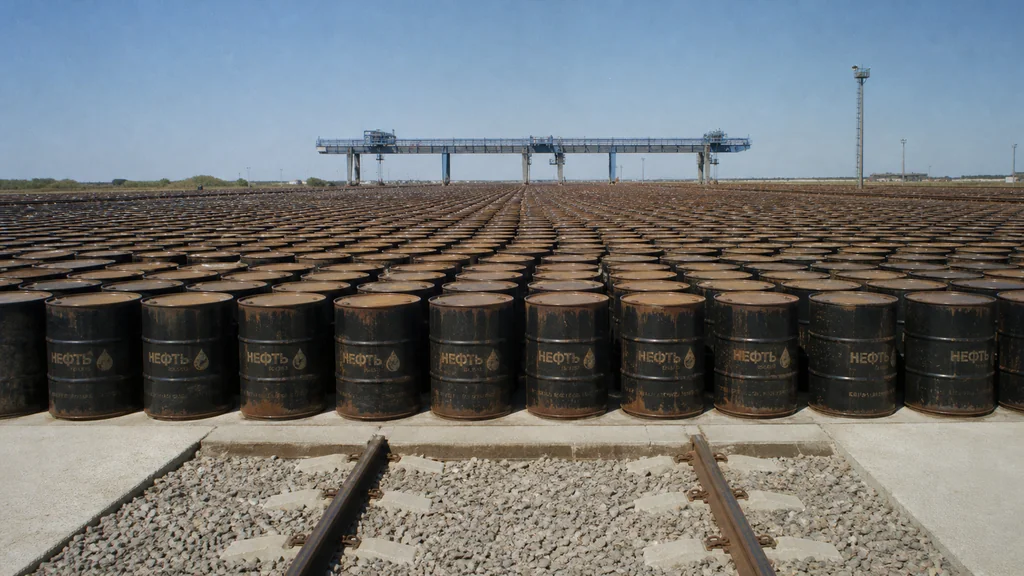
Russian energy purchases now crowd the route to American markets.
Kompożizzjoni tal-immaġni · tobriefThe US Senate approved a Russia and Iran sanctions bill 86–11 on August 7, giving Washington the power to impose tariffs of up to 100% on goods from the five biggest buyers of Russian oil and gas. Much of the European coverage treated the vote as if the tariffs were already coming into force. They are not. The bill still has to pass the House, which is in recess until September, and then needs the president's signature. Until that happens, no tariff applies to anyone.
But the structure of the threat already matters. It is aimed at the countries that have been slowest to break their energy dependence on Russia, including two EU members still protected by exemptions agreed in Brussels.
The bill ranks countries, then tariffs them
The bill does not name Hungary, Slovakia, Belgium or anyone else. It sets up a ranking. The president would be able to impose duties of up to 100% on imports from the five countries that bought the most Russian crude oil or natural gas over the previous twelve months (Congress.gov). The list would be updated every 180 days. A separate clause allows duties of up to 500% on goods imported directly from Russia.
There is an escape route on gas. A country can avoid the gas list if it imports less than 15% of Russia's total gas exports and is actively reducing that dependence. The president also keeps the power to waive tariffs if they clash with US national interests (CBS). In practice, Congress is handing the White House a lever, not ordering it to pull it at full force. The final tariff level would be an administration decision.
Hungary and Slovakia sit in the crosshairs
Inside the EU, the most exposed countries are those still receiving Russian crude through the Druzhba pipeline, the Soviet-era line that runs from Russia through Belarus into Central Europe. When Brussels banned seaborne Russian oil in 2022, it allowed pipeline exemptions. Hungary and Slovakia are the two member states still using them. The European Commission says it is working with both governments to diversify, but neither has given a clear exit date.
Hungary could plausibly end up on the American top-five list. The bill, however, asks a different question from the one usually argued in Budapest. It is not looking at how much of Hungary's energy mix comes from Russia. It is looking at Hungary's share of Russia's total gas exports, and those are not the same thing. That distinction may protect Budapest on the gas side.
Slovakia's problem is easier to see. The Slovnaft refinery still processes Druzhba crude, Gazprom remains Slovakia's largest gas supplier, and the government has no replacement timetable.
Belgium is a more technical case, but not a minor one. In July, all LNG, or liquefied natural gas shipped by tanker, arriving in Belgium was Russian. Much of it does not stay in Belgium. It passes through the Zeebrugge terminal and is re-exported. If Washington counts landed cargoes rather than final consumption, Belgian exporters could face tariffs over energy their own country never used. That depends on how the administration defines a "buyer".
Hungary takes the energy decision; Brussels handles the trade fallout
Trade policy is an exclusive EU competence under the Treaty on the Functioning of the EU. That means Brussels, not individual capitals, negotiates trade terms and retaliates when tariffs hit. Hungary and Slovakia cannot cut their own side deal with Washington. If Hungarian or Slovak exports are hit, the Commission inherits the response.
For Malta, this is the familiar EU problem in a sharper form. One member state's domestic choice can become the whole bloc's trade problem. We know that dynamic from financial services, tax policy and compliance disputes: national models are defended locally, but the reputational or regulatory bill often lands in Brussels.
The Senate bill puts outside pressure on an issue the Commission has managed through exemptions, deadlines and quiet negotiation. Washington's message is rougher: continue buying Russian energy, and your exporters pay.
That pressure is already being felt. Hungarian and Slovak companies selling cars, machinery and chemicals into the US now have to price a risk that did not exist a week ago. Contracts, delivery dates and customs exposure all look different when a 100% tariff becomes plausible, even if it has not yet been imposed. EU sanctions have created legal limits. This creates commercial uncertainty.
Whether the House passes the bill remains open. But the mechanism is rolling and updated every six months. For Budapest and Bratislava, the question is no longer only how long they can defend Russian energy politically. It is how long their exporters can live with the risk.
Details about this article
- Model:
- claude-opus-4-6
- Generated:
- 8/9/2026, 1:58:38 AM
- Pipeline run:
- eu_pipeline_20260809_005005
- Watermark:
- SynthID (Google's invisible watermark)
- Human review:
- None before publication