Austria Tests Italy’s Asylum Refusals
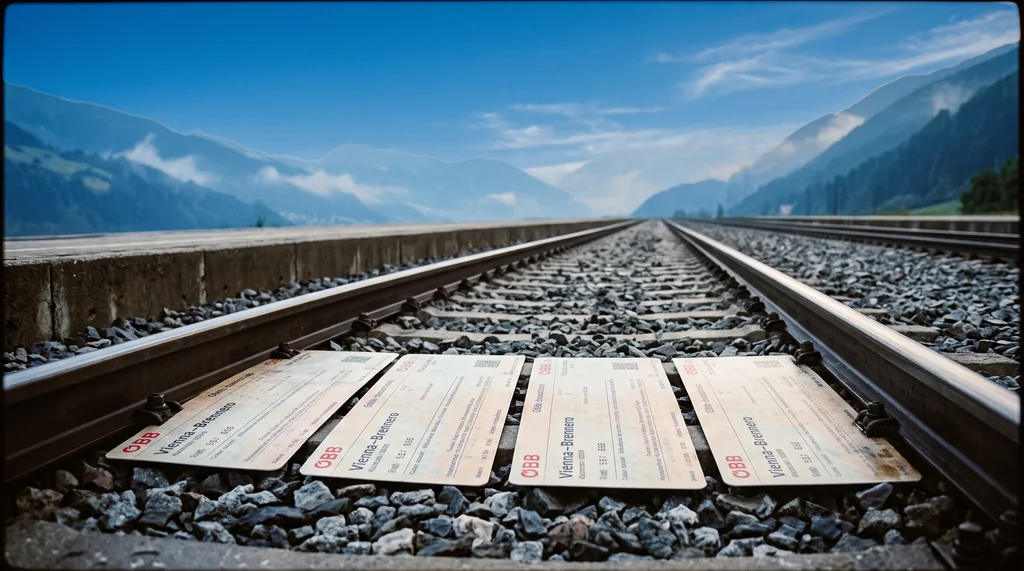
Four uncontested journeys carry the weight of Europe’s new asylum pact.
Kompożizzjoni tal-immaġni · tobriefSince the EU's Migration and Asylum Pact started applying on 12 June, Austria has sent four asylum seekers back to Italy by train and bus, with the tickets paid for by Austrian authorities (Kurier, la Repubblica). No police escort, no detention flight, no convoy. Just four people put on public transport.
They are the first confirmed transfers under the new rules. For Malta, where asylum policy is never far from arguments about burden-sharing, arrivals by sea and what Brussels can actually enforce, the point is not the number. It is whether the Pact can handle contested cases, or only the easy ones.
Four journeys, not four deportations
A responsibility transfer is not a deportation from Europe. It moves an asylum applicant from one EU country to the country that EU law says must examine the claim, usually the place where the person first entered or was registered (AMMR). The applicant remains inside the EU asylum system. Italy, if it is the responsible state, must process the application.
The Pact replaced the old Dublin III system with the Asylum and Migration Management Regulation, known as the AMMR. The name changed, but the central rule survived: the first-entry country still usually carries the case. That is why Italy remains the pressure point, and why small frontline states such as Malta watch these tests closely. The legal logic that puts pressure on Lampedusa is the same logic that has shaped Malta's own asylum debates for years.
Italy accepts four, blocks twelve
Austria's four transfers worked because the cases were narrow: recent arrivals, cooperative applicants, and files Italy did not contest. The wider picture is more awkward.
Between 12 June and 7 July, eight member states asked Italy to accept 12 people under the new rules. Italy refused every request (European Commission, 2EU Brussels). Austria's four transfers came after that assessment window. They appear to be cases where Italy did not challenge responsibility within the Pact's deadlines, allowing the transfer to go ahead.
Rome's argument is about timing. Italy says cases involving people who arrived before 12 June were covered by earlier political arrangements and should not be reopened under the new system (Merkur). Germany rejects that reading and says normal procedures must resume from the Pact's application date (Tagesschau).
Berlin is trying to force the question politically, but it has not yet shown results. Reporting from this period did not identify any verified successful Germany-to-Italy transfer. Austria is the country that actually moved people.
Whether the Pact scales depends on what happens to refusals
Switzerland is now following Austria's route. Bern has booked its first flights for late August, starting with isolated post-12-June cases chosen precisely because they should not overload the system (Ticinonews). The method is clear: pick uncontested files, move small numbers, avoid a direct fight.
That method is familiar from the old Dublin system. Northern and Alpine states want to send people south. Frontline states resist. The Pact's solidarity mechanism was meant to break that loop by giving countries such as Italy and Greece relief in exchange for accepting responsibility. The first evidence suggests the bargain is not yet working.
Austrian authorities have not said how many future cases they expect. Italy has not clarified whether these transfers set a precedent or remain exceptions (Kurier, Il Sole 24 Ore).
The enforcement chain matters. The European Commission can assess compliance, publish findings, and eventually open infringement proceedings, the EU's legal tool for pushing member states to follow Union law. It cannot put someone on a bus to Italy itself.
If Rome keeps accepting the simple cases and rejecting the contested ones, Brussels will have to decide whether resistance carries a cost. Otherwise, the Pact risks inheriting Dublin's old weakness: rules that look firm on paper but depend, in practice, on whether member states decide to cooperate. Four transfers in ten weeks, against twelve refusals, already points to the answer.
Details about this article
- Model:
- claude-opus-4-6
- Generated:
- 8/20/2026, 1:47:13 AM
- Pipeline run:
- eu_pipeline_20260820_005007
- Watermark:
- SynthID (Google's invisible watermark)
- Human review:
- None before publication