Belgium Blocks China-Linked Helicopter Deal
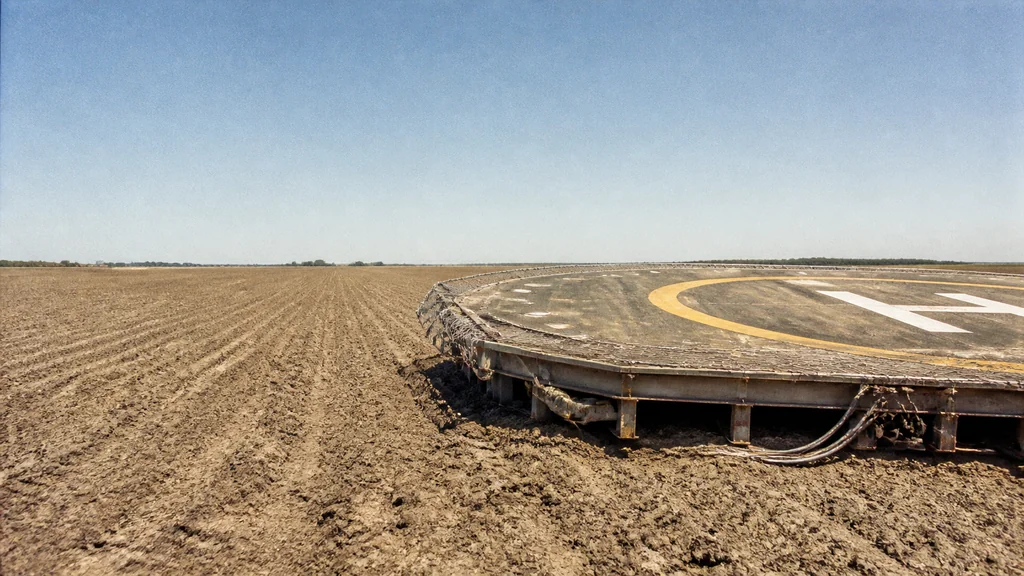
A national boundary strands the machinery of North Sea access.
Kompożizzjoni tal-immaġni · tobriefNHV Group is not a household name in Malta, but the kind of service it provides is exactly the sort of thing small states learn not to treat as background infrastructure. From Ostend, Den Helder and other North Sea bases, its helicopters move technicians, emergency crews and maritime pilots to offshore wind farms, oil platforms and ships when sea conditions make boat transfers too slow or too dangerous. Belgium has now blocked a Chinese-linked company from buying the operator, treating control over helicopter access to energy infrastructure as a security question. The harder issue is that the service crosses borders, while the EU’s screening rules still leave the final veto in one capital.
Why helicopters became security infrastructure
Belgium’s Interfederal Screening Commission examines foreign investments that may create security risks. It brings together federal, regional and community authorities and can issue a binding decision. The commission blocked GD Helicopter Finance (GDHF), a Dublin-registered lessor linked to China’s GDAT Group, from acquiring NHV (AeroTime, Aviation Week). The seller was Ardian, the French investment firm that has owned NHV since 2013. The transaction was announced in December 2025 but never passed the screening stage (DH, HeliHub).
Economy Minister David Clarinval pointed to risks to national security, Belgium’s strategic interests and possible links to the defence sector (DH). NHV confirmed that the deal had collapsed and that its ownership remained unchanged (NHV statement).
The reasoning is wider than classic defence policy. NHV controls dispatch schedules, maintenance windows and crew rotations for platforms that produce energy or keep offshore wind turbines running. It operates from Den Helder in the Netherlands (Den Helder Airport), a major hub for North Sea helicopter services, and flies Dutch maritime pilots to ships when seas are too rough for transfers by boat (Nederlands Loodswezen). Whoever controls those access decisions has practical influence over whether parts of the offshore energy system keep working, without owning a turbine, a rig or a cable.
That is why the buyer’s structure mattered. GDHF is registered in Dublin but ultimately Chinese-controlled (Helicopter Investor). The European Commission’s proposed overhaul of EU investment-screening rules, published in 2024 but not yet adopted, would require member states to look closely at precisely this type of arrangement: an EU-registered company acting for a non-EU investor (COM(2024)23).
A Belgian veto over Dutch energy access
The EU’s foreign-investment screening framework (Regulation 2019/452) allows the Commission and other member states to give views on sensitive transactions, but the host country keeps the final say. Belgium has not said publicly whether Dutch authorities were involved in the screening, even though NHV’s Den Helder operations mean the Belgian decision affects who controls helicopter access to Dutch offshore platforms.
European governments are steadily expanding what they consider strategic. Germany blocked the sale of chipmaker Elmos to a Chinese-linked buyer on security grounds (BMWK). Italy used special powers to restrict Chinese shareholder influence over Pirelli (Reuters). Belgium’s decision on NHV belongs to that same shift, but it pushes the logic into civilian service infrastructure that keeps energy operations moving across more than one country.
The category of concern is credible. The problem is that the detailed risk assessment remains classified. The public has the result and a broad explanation, but not the evidence Belgium weighed. The EU Court of Justice’s Xella ruling made clear that member states cannot use “national security” as a catch-all formula: a restriction must be proportionate and based on a genuine threat to a clearly defined public interest (CJEU C-106/22). Belgium’s reasoning has not yet been tested against that standard.
There is also an awkward practical gap. Industry reporting says NHV put two Airbus H160 helicopters leased from GDHF into service this year at Den Helder (AeroTime). Belgium has decided that Chinese-linked ownership of NHV is too risky. It has not explained whether leasing aircraft from the same company creates similar access and dependency risks. If the concern is Chinese leverage over North Sea helicopter operations, blocking ownership while accepting equipment dependence leaves an unanswered question for Clarinval and the screening commission. The wider issue now sits with the Commission and member states negotiating the next EU investment-screening regulation: cross-border energy services may need cross-border screening, not only national vetoes.
Details about this article
- Model:
- claude-opus-4-6
- Generated:
- 8/8/2026, 1:51:59 AM
- Pipeline run:
- eu_pipeline_20260808_005006
- Watermark:
- SynthID (Google's invisible watermark)
- Human review:
- None before publication