Britain detains shadow tanker Smyrtos
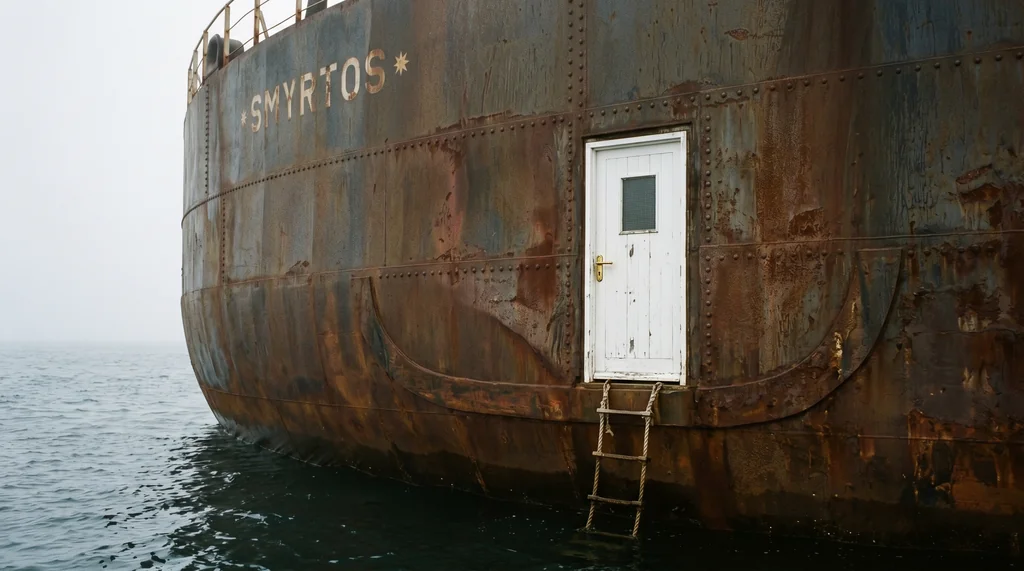
Maritime law provides a narrow, fragile doorway for the boarding of shadow-fleet vessels.
Kompożizzjoni tal-immaġni · tobriefBritain’s move against Smyrtos turned a sanctioned shadow-fleet tanker into a practical test of maritime enforcement. UK forces intercepted the vessel, moved it to anchorage off the south coast and kept it under investigation using powers London authorised in March (UK government). The tanker was detained for checks. It has not been publicly confiscated together with its oil cargo (BBC · The Guardian).
The Narrow Door At Sea
The legal opening is narrow. A warship cannot simply stop a foreign tanker on the high seas because the cargo is politically suspect. Under UNCLOS Article 110, the part of international maritime law setting the basic rules at sea, a warship may board a foreign vessel only in limited circumstances. One is reasonable suspicion that the ship has no nationality.
That is why the flag matters. If Smyrtos was falsely flagged, or was in practice stateless, Britain may have had a lawful route onto the ship. Once on board, London could then use domestic powers, including the Russia sanctions regulations and maritime provisions in the Policing and Crime Act.
For Malta, a flag-state and maritime services jurisdiction, this distinction is not academic. It separates an enforceable case against one vessel from a broader political objection to shadow shipping. The UK sanctions system targets listed vessels, transport assets and the firms around them. It does not automatically allow cargo seizure wherever Russian oil is suspected (Ashurst).
France has shown the same caution. In the earlier Tagor case, French authorities focused on suspected false Cameroon flagging before escorting the vessel for checks. French coverage has framed Smyrtos as a UK-led operation, not as evidence of a standing European right to board shadow-fleet tankers at will (Le Figaro · Le Monde).
Europe’s Patchwork Power
This is where the European stakes sit. The EU has expanded vessel listings, port bans and restrictions on maritime services through successive sanctions packages (Council). The harder question is when governments can move from paperwork to coercive inspection at sea (Euronews).
Different countries hold power in different places. Britain and France can act when naval capacity, prosecutors and sanctions law line up. The Netherlands has leverage through Rotterdam, finance, insurance and compliance rules (Government.nl). Greece faces a different exposure because shipping services, chartering, insurance and Mediterranean practice sit close to any broader precedent (News247 · Euronews Greece).
Germany points to the security risks, but also to the limits of acting without hard proof. German reports highlighted safety and environmental checks after the Smyrtos boarding (ZDF · DW). Separate German reporting has raised wider concerns about security personnel on shadow-fleet voyages, including alleged former Wagner-linked figures. No public evidence has tied those claims to Smyrtos itself (NDR).
Ireland shows why smaller states will watch the precedent closely. Countries that depend more on legal certainty than naval reach need to know where the line sits. Irish coverage treated Smyrtos as a jurisdictional test and stressed the gap between Britain authorising powers and actually using them (RTÉ · The Irish Times). A sanctions listing creates pressure. Boarding still needs a legal hook.
The open file is precise. Britain has not published the evidence that made Smyrtos boardable, the inspection findings, or the next legal step against the crew, owner, operator or cargo. Until it does, Smyrtos sets a narrow precedent: sanctions become enforcement on the water only when flag status, domestic law and operational capacity meet in the same place.
Details about this article
- Model:
- gpt-5.5
- Generated:
- 6/15/2026, 2:32:07 AM
- Pipeline run:
- eu_pipeline_20260615_015007
- Watermark:
- SynthID (Google's invisible watermark)
- Human review:
- None before publication